Mastering how to breathe deeply at desk can significantly enhance your overall health and work performance. Incorporating proper breathing techniques into your daily routine not only alleviates stress but also promotes better posture, focus, and mental clarity during busy work hours. Understanding and practicing these methods empowers you to create a healthier, more balanced work environment.
This guide explores effective deep breathing techniques, strategies to remind yourself throughout the day, ergonomic tips, and ways to integrate breathing exercises seamlessly into your routine. By adopting these practices, you can transform your workspace into a space of relaxation and productivity.
Importance of Deep Breathing at the Desk
In the modern workplace, prolonged periods of sitting and high mental engagement often lead to shallow breathing, which can have detrimental effects on overall health and productivity. Incorporating deep breathing exercises into your daily routine at the desk offers a simple yet effective way to enhance well-being, reduce stress, and improve focus throughout the workday.
Deep breathing at the workstation is more than just a relaxation technique; it directly influences physical health, mental clarity, and emotional stability. When performed regularly, it counters the adverse effects of poor posture and sedentary behavior, supporting better circulation, oxygenation, and nervous system regulation. This practice can be seamlessly integrated into breaks, meetings, or even during moments of mental fatigue, offering immediate relief and long-term benefits.
Health Benefits of Practicing Deep Breathing During Work Hours
Engaging in deep breathing exercises during work hours fosters numerous health advantages that contribute to overall longevity and quality of life.
- Improved Oxygen Supply: Deep breathing enhances oxygen intake, ensuring vital organs and tissues receive adequate nourishment, which boosts energy levels and reduces feelings of fatigue.
- Reduction in Stress and Anxiety: Controlled deep breaths trigger the parasympathetic nervous system, promoting relaxation and helping to alleviate work-related stress and anxiety.
- Enhanced Posture and Reduced Musculoskeletal Strain: Proper breathing encourages better alignment of the spine and reduces muscular tension, particularly in the neck and shoulders, common areas affected by desk work.
- Boosted Focus and Cognitive Function: Increased oxygen flow to the brain improves concentration, memory, and decision-making abilities, leading to higher productivity.
- Strengthening Immune Response: Regular deep breathing can help modulate immune function by reducing cortisol levels, thereby supporting overall health resilience.
Impact of Shallow Breathing on Posture, Focus, and Stress
Shallow breathing, often a subconscious response to stress or fatigue, considerably affects physical and mental functioning when sustained over time.
Typically characterized by rapid, superficial inhalations mainly from the chest rather than the diaphragm, shallow breathing can lead to a cascade of negative effects:
- Postural Deterioration: Shallow breaths are associated with elevated tension in the upper chest and shoulders, encouraging poor posture and contributing to musculoskeletal discomfort or pain over time.
- Decreased Focus and Cognitive Clarity: Insufficient oxygen hampers neural activity, impairing concentration, decision-making, and overall mental performance.
- Increased Stress Levels: Rapid, shallow breathing triggers the body’s stress response, releasing adrenaline and cortisol, which can perpetuate feelings of anxiety and overwhelm.
- Reduced Lung Function: Habitual shallow breathing diminishes lung capacity and efficiency, making it more difficult to engage in physical activity or recover from stress episodes.
Scenarios Where Deep Breathing Can Improve Overall Well-Being at Work
Integrating deep breathing into various work scenarios yields tangible benefits, fostering a healthier, more balanced work environment.
- Handling High-Pressure Situations: During tight deadlines or critical meetings, taking a few moments to perform deep breathing can calm nerves, enhance clarity, and promote rational decision-making.
- Managing Long Periods of Sedentary Work: Regularly scheduled deep breaths help counteract the negative effects of sitting, such as poor circulation and stiffness, by encouraging movement of the diaphragm and improving blood flow.
- Addressing Mental Fatigue: When mental exhaustion sets in, deep breathing serves as an effective reset, revitalizing focus and reducing feelings of burnout.
- Improving Posture During Extended Computer Use: Conscious deep breathing encourages awareness of body alignment, reducing the tendency to slump and promoting better ergonomic habits.
- Reducing Anxiety Before Important Interactions: Practicing deep breathing before presentations, interviews, or challenging conversations can diminish anxiety symptoms, fostering confidence and calmness.
By consciously incorporating deep breathing exercises into these work scenarios, employees can cultivate a healthier, more adaptable approach to daily routines, ultimately enhancing both physical health and mental resilience in the workplace.
Basic Techniques for Breathing Deeply at Your Desk
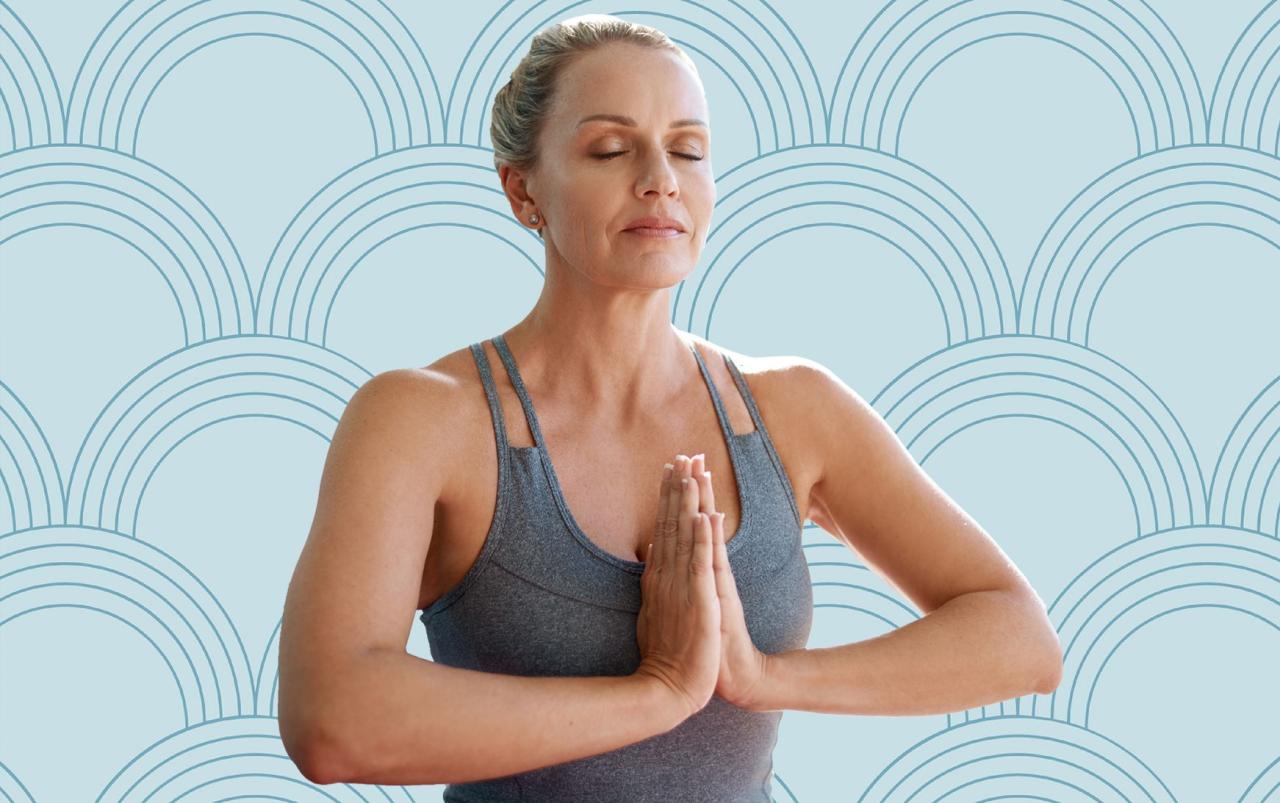
Integrating deep breathing exercises into your daily routine at the desk can significantly enhance your overall well-being, reduce stress, and improve concentration. Mastering simple yet effective techniques ensures that you can incorporate these practices seamlessly into your workday without disruption. Proper technique not only maximizes the benefits of deep breathing but also promotes better posture and relaxation throughout your work hours.
Here, we explore step-by-step procedures for diaphragmatic breathing, guidance on how to embed these exercises into your daily routine, and a visual description of maintaining an optimal posture to facilitate deep breathing even in a confined workspace.
Diaphragmatic (Belly) Breathing Technique
Diaphragmatic breathing, also known as belly breathing, is a highly effective method for deep inhalation that engages the diaphragm fully. This technique enhances oxygen intake, calms the nervous system, and reduces physical tension accumulated during sedentary work. Following a structured approach ensures consistency and maximizes benefits.
- Find a comfortable seated position with your back straight but relaxed. Rest your hands gently on your abdomen, just below your ribs, to feel the movement during breathing.
- Begin by inhaling slowly through your nose, aiming to expand your belly rather than your chest. Focus on directing the breath downward into your abdomen, causing it to rise as you fill your lungs.
- Allow your lungs to fill completely, counting to four or five seconds if comfortable. The emphasis is on deep, diaphragmatic inhalation rather than shallow chest breathing.
- Pause briefly at the top of your inhale, maintaining awareness of the expanded belly and relaxed shoulders.
- Exhale slowly and evenly through your mouth or nose, permitting your belly to gently fall as the air escapes. Aim for a duration of four to six seconds for a complete exhale.
- Repeat this cycle consistently for several minutes, focusing on slow, controlled breaths and maintaining awareness of your posture and bodily sensations.
Practicing diaphragmatic breathing regularly can be easily integrated into your work routine, for example, during short breaks, after completing a task, or when feeling overwhelmed. Setting reminders or alarms can help establish this as a habit, ensuring you benefit from improved mental clarity and reduced physical tension throughout the day.
Incorporating Breathing Exercises into Your Daily Routine
Embedding deep breathing practices into your daily schedule requires a mindful approach and some planning. Consistency is key to experiencing sustained benefits, and small, manageable sessions can be effectively integrated into even busy workdays.
- Designate specific times during your workday for breathing exercises, such as mid-morning, post-lunch, and late afternoon, aligning with natural breaks or transitions between tasks.
- Start with brief sessions of 1-2 minutes, gradually increasing to 5 minutes as you become more accustomed to the practice.
- Use visual or auditory cues, like alarms or notifications, to prompt you to pause and engage in deep breathing exercises.
- Combine breathing with mindful posture adjustments—take a deep breath and simultaneously straighten your back, roll your shoulders back, and relax your neck.
- Pair breathing exercises with other activities such as stretching or brief walks, enhancing overall physical and mental relaxation.
Over time, these practices can become a natural part of your workday routine, contributing to improved focus, reduced stress levels, and a healthier workspace environment.
Proper Posture to Facilitate Deep Breathing at Your Desk
Maintaining an optimal posture is crucial for effective diaphragmatic breathing, especially in a desk setting where slouching and poor alignment are common. Good posture ensures your lungs have sufficient space to expand fully while minimizing muscular tension and discomfort.
The ideal posture for deep breathing involves the following features:
| Posture Component | Description |
|---|---|
| Back Alignment | Sit upright with your back straight and shoulders relaxed, avoiding slouching or leaning forward. Support your lower back with an ergonomic chair if necessary. |
| Head Position | Keep your head aligned with your spine, avoiding forward tilt or downward gaze. Your chin should be slightly tucked in to promote a neutral neck position. |
| Shoulder Placement | Relax your shoulders away from your ears, allowing them to settle naturally, which reduces tension in the chest and upper back muscles. |
| Arm and Hand Position | Rest your arms comfortably on the desk or armrests, with elbows close to your body to prevent unnecessary tension. |
| Leg and Feet Position | Keep feet flat on the floor, with knees at approximately a 90-degree angle. Avoid crossing your legs to promote better circulation and stability. |
The goal is to create a posture that allows your diaphragm to move freely and your lungs to expand fully, facilitating effective deep breathing even in a confined workspace.
Regularly checking and adjusting your posture during the day supports deeper breaths, reduces muscular strain, and enhances overall comfort, fostering a conducive environment for mindful breathing practices at your desk.
Methods to remind yourself to breathe deeply
Maintaining regular deep breathing sessions at your desk requires consistent reminders to ensure you don’t forget amidst your busy schedule. Establishing effective cues can help reinforce this healthy habit, making deep breathing an integral part of your work routine. These methods can be tailored to fit your environment and personal preferences, ensuring they are both noticeable and unobtrusive.By integrating visual and auditory cues into your workspace, you create constant prompts that nudge you toward mindful breathing.
Consistent scheduling through checklists or timers serves as a structured approach to incorporating regular breathing breaks, preventing fatigue and enhancing overall well-being. Organizing these reminders thoughtfully can turn a simple act into a sustainable habit, promoting better concentration and stress management throughout your workday.
Using visual or auditory cues to prompt deep breathing
Visual cues serve as constant, non-intrusive reminders that can be easily integrated into your desk area. Placing sticky notes with breathing prompts or inspirational quotes in your line of sight encourages mindfulness. For example, a note saying “Breathe deeply now” positioned near your monitor or on your keyboard acts as a gentle reminder to pause and practice your breathing techniques.Auditory cues can be particularly effective, especially if you prefer sound-based reminders.
Setting a gentle alarm or timer on your computer or phone at regular intervals can prompt you to take a moment for deep breathing. Alternatively, using calming sounds or chimes can signal your turn to pause, helping to break the cycle of continuous work and foster relaxation.
Visual cues like colored sticky notes or small signs, combined with soft auditory alarms, create multi-sensory prompts that reinforce your deep breathing routine throughout the day.
Designing a simple checklist or schedule for regular breathing breaks
A structured schedule ensures that deep breathing becomes a consistent part of your daily work routine. Creating a visual checklist or timetable can serve as an easy-to-follow guide, reducing the likelihood of skipping these beneficial pauses. Embedding these into your daily planner or digital calendar emphasizes the importance of taking intentional breaks for your health and productivity.Such schedules can be tailored to your work pattern, for example, setting reminders every hour or after specific tasks.
This systematic approach not only reminds you to breathe deeply but also instills discipline and consistency, turning mindful breathing into a habitual practice that supports mental clarity and stress reduction.
| Time | Reminder / Action | Method |
|---|---|---|
| 9:00 AM | Start of workday deep breathing | Visual cue: Sticky note “Breathe Deeply” |
| 10:30 AM | First scheduled breathing break | Alarm sound (gentle chime) |
| 12:00 PM | Midday mindfulness session | Calendar alert with breathing instructions |
| 3:00 PM | Afternoon breathing refresh | Desk reminder sign |
| 5:00 PM | End of work deep breathing | Visual cue: “Breathe, Relax” sign |
Implementing such a schedule, with clearly designated cues and times, fosters discipline and ensures that you regularly pause to reset your breathing, ultimately contributing to improved focus and reduced stress during your workday.
Incorporating Breathing Exercises into Daily Work Routines
Maintaining deep breathing habits throughout the workday can significantly reduce stress, improve focus, and enhance overall well-being. Integrating these exercises seamlessly into your daily routine ensures they become a natural part of your work life, rather than a disruptive task. By dedicating specific moments for breathing exercises and combining them with other stress-relief techniques, employees can foster a healthier and more balanced work environment.Deep breathing exercises are most effective when incorporated into short, regular intervals during the workday.
Combining breathing with stretching or mindful pauses can amplify stress relief and physical comfort. Implementing structured routines that specify timing and steps helps in creating consistency and ensures that these practices are sustainable and beneficial over time.
Sequence of Breathing Exercises Suitable for Short Breaks
For quick yet effective relaxation during work hours, a series of simple breathing exercises can be performed within 1-3 minutes. These exercises are designed to reset your focus, reduce tension, and refresh your mind before resuming tasks.
- Deep diaphragmatic breathing: Sit comfortably, place one hand on your chest and the other on your abdomen. Inhale slowly through your nose for a count of four, allowing your abdomen to expand. Hold your breath for a count of four, then exhale slowly through your mouth for a count of six, fully releasing the tension. Repeat this cycle 3-4 times.
- 4-7-8 Breathing Technique: Inhale quietly through your nose for a count of four, hold your breath for a count of seven, then exhale completely through your mouth for a count of eight. This pattern promotes relaxation and helps reduce anxiety. Perform for 2-3 cycles during your break.
- Alternate Nostril Breathing: Close your right nostril with your thumb, inhale deeply through the left nostril. Close the left nostril with your ring finger, release your thumb from the right nostril, and exhale through the right. Switch sides and repeat for 5 cycles. This balances the nervous system and enhances focus.
Integrating Deep Breathing with Stretching and Other Techniques
Combining breathing exercises with gentle stretching can magnify the stress-relief benefits and improve physical flexibility, especially during prolonged periods of sitting. For instance, pairing diaphragmatic breathing with neck and shoulder stretches can alleviate tension accumulated from desk work. These combined routines can be performed during scheduled breaks or as micro-pauses to rejuvenate both body and mind.One effective method involves synchronizing breathing with stretching movements.
For example, inhale deeply while raising your arms overhead, stretch gently, then exhale slowly while lowering your arms. This coordinated movement encourages mindfulness, promotes circulation, and releases muscular tension. Incorporating brief mindfulness or visualization techniques during breathing exercises further enhances mental clarity and reduces work-related stress.
Structured Routine for Deep Breathing and Stress Relief
Implementing a time-structured routine ensures consistency and maximizes the benefits of integrating breathing exercises into your workday. The following table Artikels a practical schedule that includes breathing exercises, stretches, and mindful pauses:
| Time Interval | Activity | Steps and Description |
|---|---|---|
| Start of Workday (9:00 AM) | Initial Deep Breathing Session |
|
| Mid-Morning Break (10:30 AM) | Stretching with Breathing |
|
| Lunch Break (12:30 PM) | Relaxation Breathing |
|
| Afternoon Focus Reset (3:00 PM) | Alternate Nostril Breathing |
|
| End of Workday (5:00 PM) | Wind-Down Breathing |
|
Deep breathing integrated with stretching and mindful pauses creates a comprehensive approach to managing work-related stress. Regularly scheduled routines ensure these practices become habitual, supporting overall health and productivity.
Practical tips for maintaining proper posture for optimal breathing
Achieving deep and effective breathing at your desk not only enhances oxygen intake but also reduces physical strain and boosts overall well-being during work hours. Proper posture plays a pivotal role in facilitating unobstructed airflow and minimizing muscle tension that can interfere with deep breathing.
Implementing ergonomic adjustments and maintaining correct body alignment ensures that your respiratory system functions efficiently while you are seated for extended periods. Small, conscious modifications to your sitting position can make a significant difference in your breathing quality and comfort throughout the day.
Ergonomic adjustments to facilitate deep breathing at your desk
Creating an ergonomic workspace that promotes optimal breathing involves several strategic adjustments. These modifications help open up the chest cavity and support the muscles involved in respiration, leading to easier and deeper breaths.
- Adjust your chair height: Set your chair so that your feet rest flat on the floor, and your knees are at a 90-degree angle. This position encourages an upright posture, reducing slouching that compresses the lungs.
- Align your monitor and keyboard: Position your monitor at eye level and keep your keyboard and mouse within comfortable reach. This minimizes forward head posture and rounded shoulders, which can restrict chest expansion.
- Use lumbar support: Ensure your chair provides proper lumbar support to maintain the natural curve of your lower back, preventing slumping that hampers diaphragmatic breathing.
- Maintain a neutral spine: Sit upright with your back straight, shoulders relaxed, and chest slightly lifted. Avoid leaning forward or slouching, which can impede airflow.
Step-by-step cues to align your body for better airflow
Proper alignment is essential for maximizing lung capacity and ensuring deep breathing. Following these step-by-step cues can help you adopt a posture conducive to optimal airflow:
- Start seated properly: Sit back in your chair so that your lower back is supported by lumbar support or a small pillow if needed.
- Adjust your feet: Place both feet flat on the ground, about hip-width apart, with knees at a 90-degree angle.
- Align your hips and pelvis: Tilt your pelvis slightly forward to flatten the lower back curve, promoting an upright spine.
- Engage your core: Gently tighten your abdominal muscles to support your spine without overexerting, helping maintain stability.
- Position your shoulders: Relax your shoulders down and back, away from your ears, to prevent chest constriction.
- Align your head and neck: Keep your head level, ears aligned over shoulders, avoiding forward head posture that can compress the airway.
Visual cues and diagrams for ergonomic positions
Visual representations are valuable tools to reinforce correct ergonomic positioning. Diagrams should clearly illustrate each key aspect:
- Seated posture diagram: Show a person sitting upright with feet flat on the floor, knees at a 90-degree angle, hips aligned with knees, and the back supported by lumbar support. The shoulders are relaxed, and the head is aligned over the spine.
- Monitor and keyboard placement: Highlight monitor height at eye level, with the top of the screen roughly at eye level, and the keyboard positioned so that elbows are close to the body with forearms parallel to the ground.
- Chest expansion cues: Use arrows indicating open chest posture, with shoulders pulled back slightly, and a relaxed collarbone area to demonstrate unobstructed airflow.
Incorporating these ergonomic principles ensures that your body remains aligned in a way that encourages deep, unrestricted breathing, thereby enhancing focus, reducing fatigue, and promoting overall respiratory health during your workday.
Overcoming Common Challenges in Practicing Deep Breathing at Work
Engaging in deep breathing exercises at your desk can significantly improve focus, reduce stress, and enhance overall well-being during the workday. However, various obstacles such as distractions, heavy workloads, or limited space can make consistent practice challenging. Recognizing these barriers and implementing practical solutions can help you integrate deep breathing seamlessly into your daily routine, ensuring you reap its full benefits despite environmental constraints.Deep breathing at the desk is a valuable self-care practice, yet common workplace challenges may hinder its consistent adoption.
By understanding these hurdles and applying targeted strategies, you can maintain a steady habit of mindful breathing, even in busy or cramped settings, ultimately supporting better mental clarity and physical health.
Identifying Barriers to Deep Breathing Practice
Work environments often present unforeseen obstacles that impede regular deep breathing. Distractions such as ringing phones, urgent emails, or conversations with colleagues can break your focus and make it difficult to pause for breath. Heavy workloads and looming deadlines might cause you to overlook or deprioritize breathing exercises, considering them non-essential. Additionally, cramped or cluttered spaces might limit your ability to sit comfortably or find a quiet corner for practice.
Recognizing these barriers is the first step toward overcoming them and establishing a sustainable routine.
Solutions and Modifications for Various Environments
To adapt deep breathing exercises effectively across different work settings, consider the following strategies:
- Schedule brief breaks: Allocate specific times during the day, such as mid-morning or before meetings, to practice breathing exercises intentionally. Use calendar reminders or alarms to prompt these moments.
- Use discreet techniques: Opt for subtle breathing methods, such as diaphragmatic breathing with gentle hand placement on the abdomen, which can be performed quietly and inconspicuously at your desk or even during meetings.
- Create a dedicated space: If space allows, designate a quiet corner or a small area with minimal distractions where you can practice without interruption. Use visual cues like a calming image or a small plant to signal your intention to breathe deeply.
- Incorporate breathing into routine tasks: Combine breathing exercises with routine activities, such as inhaling deeply while stretching, or exhaling slowly while typing or reading emails.
- Use environmental aids: Consider noise-canceling headphones, calming background sounds, or visual reminders like sticky notes with breathing cues to reinforce your practice during busy times.
Troubleshooting Tips for Common Challenges
Below are practical tips for addressing typical issues encountered when practicing deep breathing at work:
- Distractions from colleagues or noise: Use headphones with white noise or calming music to create a personal auditory sanctuary. Practice breathing during moments of natural pause, such as waiting for a file download or during a coffee break.
- Feeling too busy or overwhelmed: Keep sessions short, aiming for just one to two minutes, and gradually increase duration as comfort improves. Prioritize these moments as essential to your productivity and health.
- Limited space or privacy: Sit upright with your back supported, and perform seated diaphragmatic breathing. Use your hands to guide your breath or focus on visualizing a calming scene to deepen your practice without requiring additional space.
- Forgetfulness or lack of motivation: Place visual cues like sticky notes or desktop reminders in prominent spots. Establish a habitual cue, such as after completing a task, to trigger your breathing exercise.
- Physical discomfort or health limitations: Consult with healthcare providers to tailor breathing exercises suitable for your condition. For example, gentle chest expansion or nasal breathing may be more appropriate if diaphragmatic breathing causes discomfort.
Deep breathing exercises combined with visualization

Integrating visualization techniques with deep breathing exercises can significantly enhance relaxation and mental clarity during work hours. This approach helps create a calming mental environment, making the breathing practice more effective and enjoyable. When combined thoughtfully, visualization can deepen the sense of tranquility and improve focus, reducing stress levels and promoting overall well-being at your desk.
By pairing controlled breathing with vivid mental imagery, individuals can foster a peaceful state of mind that counters the typical stressors encountered during work. This method not only enhances relaxation but also cultivates mindfulness, enabling a more centered and productive workday.
Designing Guided Imagery for Relaxation During Breathing
Guided imagery involves using mental pictures to evoke calmness and serenity, complementing the physical benefits of deep breathing. Effective visualization exercises should be tailored to evoke soothing environments or positive experiences that resonate personally. The goal is to focus the mind away from work-related stresses and anchor it in a peaceful mental space.
- Choose calming themes such as a quiet beach, a peaceful forest, or a gentle stream, based on personal preferences. Visualize these settings with as much sensory detail as possible, including sights, sounds, scents, and textures.
- Incorporate sensory elements into the visualization to deepen relaxation, such as feeling the warmth of the sun, hearing the rustling of leaves, or smelling fresh pine or sea breeze.
- Use a step-by-step script that guides the mind through the environment, gradually deepening relaxation with each breath.
Creating a Calming Mental Environment During Practice
Establishing a tranquil mental environment is essential for maximizing the benefits of visualization combined with deep breathing. This involves cultivating a mindset free from distractions and negative thoughts, fostering an atmosphere of peace and focus. Techniques such as mindfulness, setting intentions, or using calming background sounds can support this process.
- Find a quiet space at your desk where interruptions are minimized, and ensure your posture supports relaxed breathing.
- Prior to beginning, take a few moments to clear your mind, perhaps by briefly closing your eyes or practicing a few gentle stretches.
- Use affirmations or calming phrases, such as “I am relaxed” or “Peace surrounds me,” to reinforce a positive mental state during the exercise.
- Incorporate ambient sounds or soft music that promotes tranquility without distraction, helping to mask background noise and deepen focus.
Sample Guided Imagery Scripts for Deep Relaxation
“Close your eyes gently and take a slow, deep breath in. Imagine yourself standing on a soft, sandy beach. Feel the warm sun on your skin and hear the gentle lapping of waves against the shore. With each breath, picture the ocean’s calmness spreading through your body, washing away tension. Breathe out slowly, releasing any stress. Continue to visualize the peaceful scene as you breathe naturally, allowing yourself to sink deeper into relaxation.”
“Picture yourself in a quiet forest, surrounded by tall, green trees. Feel the cool, fresh air fill your lungs and listen to the rustling leaves overhead. As you breathe in, imagine the forest’s serenity flowing into you; as you breathe out, visualize stress and worries leaving your body. Maintain this visualization, feeling more relaxed with each breath, until a deep sense of calm envelops you.”
“Visualize a gentle stream flowing through a lush landscape. Hear the soft sounds of water moving over stones, smell the earthy aroma of damp soil, and feel the coolness of the air. With each inhalation, draw in the peaceful energy of the stream; with each exhalation, release tension and negativity. Keep this imagery in your mind’s eye as you breathe deeply, fostering a state of tranquility.”
Last Recap

Incorporating deep breathing at your desk is a simple yet powerful way to improve your well-being and boost productivity. With consistent practice and mindful adjustments, you can overcome common challenges and experience lasting benefits. Embrace these techniques to foster a healthier and more focused workday, making your workspace a sanctuary of calm amidst daily demands.