Learning how to say no politely at work is essential for maintaining professionalism and preserving positive workplace relationships. It enables employees to set healthy boundaries while demonstrating respect for colleagues and the organization. Mastering this skill fosters a balanced work environment where commitments are managed effectively without compromising personal well-being or team harmony.
This guide explores effective strategies, common scenarios, and practical phrases to decline requests courteously. By understanding how to navigate these interactions thoughtfully, professionals can uphold their integrity and contribute to a respectful, efficient work culture.
Importance of Saying No Politely at Work
Maintaining professionalism in the workplace is essential for fostering a respectful and efficient environment. Knowing how to decline tasks or requests politely ensures that boundaries are respected without damaging professional relationships. A courteous refusal can demonstrate confidence and clarity, reinforcing your commitment to quality over quantity of work.
Polite refusals play a crucial role in preserving your reputation and strengthening trust among colleagues and supervisors. When you communicate your limits tactfully, it encourages others to understand and respect your boundaries, which in turn promotes a healthy and collaborative work culture. Additionally, politely saying no can prevent burnout, allowing you to focus on your core responsibilities and deliver better results.
Positive Outcomes from Respectful No
Practicing polite refusals leads to several beneficial outcomes in a professional setting:
- Enhanced respect and mutual understanding among team members, fostering a positive work environment.
- Improved workload management, ensuring that priorities are maintained without overcommitment.
- Strengthened professional reputation as someone who is assertive yet considerate, earning trust and credibility.
- Prevention of burnout and stress, which can arise from taking on too many tasks beyond one’s capacity.
For example, a project manager might decline additional responsibilities from a colleague by saying, “I appreciate your confidence in my abilities, but I need to focus on my current project to ensure quality delivery.” Such an approach communicates boundaries clearly while maintaining a positive rapport. Similarly, employees who politely decline tasks aligned with their expertise rather than overextending themselves are often viewed as responsible and dependable professionals.
Common scenarios requiring a polite refusal
In the professional environment, there are numerous situations where employees must decline requests or tasks to maintain productivity, balance, and professionalism. Recognizing these scenarios helps in preparing appropriate, courteous responses that preserve positive relationships while upholding personal and organizational boundaries. Navigating these situations with tact is essential to foster mutual respect and to ensure that crucial responsibilities are prioritized effectively.
Understanding the context and emotional challenges associated with each scenario allows employees to approach refusals with confidence and sensitivity. Different circumstances demand varying degrees of assertiveness and diplomacy, and being equipped with appropriate communication strategies ensures that saying no does not compromise workplace harmony or personal well-being.
Workload and task management
Employees often face the challenge of managing multiple assignments, tight deadlines, and competing priorities. When additional tasks threaten to overwhelm their existing workload or compromise the quality of their work, a polite refusal becomes necessary.
- Employees may be asked to take on extra assignments that exceed their capacity, especially during peak project times or when already managing critical responsibilities.
- In cases where workload is already balanced or overextended, accepting new tasks could lead to burnout or decreased performance, making a tactful decline essential.
Emotional challenges in these scenarios include feelings of guilt for refusing, concern over disappointing colleagues or supervisors, and fear of being perceived as uncooperative. Recognizing these feelings as normal, while maintaining a professional stance, helps in delivering clear, respectful refusals that emphasize capacity constraints rather than unwillingness.
Meetings outside scheduled hours
During busy workdays, colleagues or managers might request participation in meetings scheduled outside regular working hours. While some requests are reasonable, others may infringe on personal time, requiring a delicate response.
- Attending meetings early in the morning or late in the evening, especially when it conflicts with personal commitments, warrants a polite refusal or a request to reschedule.
- Repeated invitations to meetings outside regular hours can cause frustration and feelings of intrusion into personal life, requiring assertive yet courteous communication.
The emotional challenges include feelings of obligation, the desire to be a team player, and possible guilt about declining. Balancing professionalism with personal boundaries is crucial in these instances, and framing refusals with appreciation for the invitation helps maintain positive relationships.
Requests for assistance or collaboration
Colleagues or supervisors may ask for help with tasks that are outside an employee’s role or expertise. While cooperation is valued, it’s important to recognize limits to avoid overcommitment.
- Refusing to assist when the task is irrelevant to one’s responsibilities or when time constraints prevent meaningful contribution.
- Declining participation in collaborations that might distract from core priorities or cause resource strain.
Common emotional challenges include the fear of appearing uncooperative and concerns about damaging professional relationships. Expressing willingness to help within reasonable limits, or suggesting alternative solutions, helps in maintaining a courteous and constructive dialogue.
Requests perceived as unreasonable or inappropriate
Situations where colleagues or managers ask for favors or actions that conflict with company policies, ethical standards, or personal values require thoughtful and polite refusals.
- Instances such as requesting confidential information, pressuring to cut corners, or engaging in activities that violate organizational guidelines.
- Refusals in these cases must be firm yet respectful to uphold integrity and professionalism.
Such scenarios can evoke emotional discomfort, including stress and conflict anxiety. Approaching these refusals with clarity, citing policies or standards, ensures that boundaries are respected without escalating tensions, fostering a culture of honesty and respect.
Effective language and phrases for polite refusals
Mastering the art of politely declining requests at work is essential for maintaining professional relationships and ensuring clear communication. Using the right language helps convey respect, assertiveness, and understanding, even when turning down a task or favor. This section provides practical phrases and strategies to decline politely across various work scenarios, ensuring your refusals are both courteous and effective.
The choice of words and tone plays a crucial role in how your refusal is perceived. Whether dealing with a colleague, supervisor, or client, selecting appropriate phrases can prevent misunderstandings, preserve goodwill, and uphold your professional integrity. The following table offers versatile expressions tailored for different contexts, along with variations suited for formal and informal interactions, emphasizing respectful and confident communication.
Versatile phrases for polite refusals in different contexts
| Context | Polite Refusal Phrases |
|---|---|
| Declining a meeting invitation due to prior commitments |
|
| Turning down a request for additional workload |
|
| Declining a social invitation from colleagues |
|
| Refusing a request for feedback or review |
|
| Declining a sales pitch or unsolicited offer |
|
Tone and Wording That Convey Respect and Assertiveness
Effective refusals balance politeness with firmness, demonstrating respect for the other person’s request while clearly communicating your position. The tone should reflect appreciation and consideration, avoiding abruptness or ambiguity. Using respectful phrases such as “I appreciate,” “Thank you for understanding,” or “I regret to inform you” helps maintain professionalism and cordiality.
Assertiveness in language ensures your refusal is understood without leaving room for misinterpretation. Phrases like “I am unable to,” “Unfortunately, I cannot,” or “Due to prior commitments, I must decline” convey a clear boundary while remaining courteous. Combining respectful tone with assertive wording fosters mutual respect and helps prevent potential conflicts or misunderstandings in the workplace.
Strategies and procedures for saying no at work
Effectively declining requests in the workplace requires a thoughtful approach that balances assertiveness with politeness. Employing structured procedures ensures your refusal is clear, respectful, and maintains professional relationships. Developing these strategies allows you to manage workload better, prioritize important tasks, and foster a positive work environment where boundaries are respected.
Implementing a consistent method for saying no not only reduces misunderstandings but also enhances your credibility and confidence. By following a step-by-step process, you can communicate refusals tactfully while preserving good rapport with colleagues, supervisors, and clients. The right tone, body language, and timing are integral components of this process, reinforcing your message and demonstrating professionalism.
Step-by-step procedures for crafting a polite refusal
Adopting a systematic approach to declining requests at work helps ensure your responses are respectful and effective. The following steps provide a practical framework:
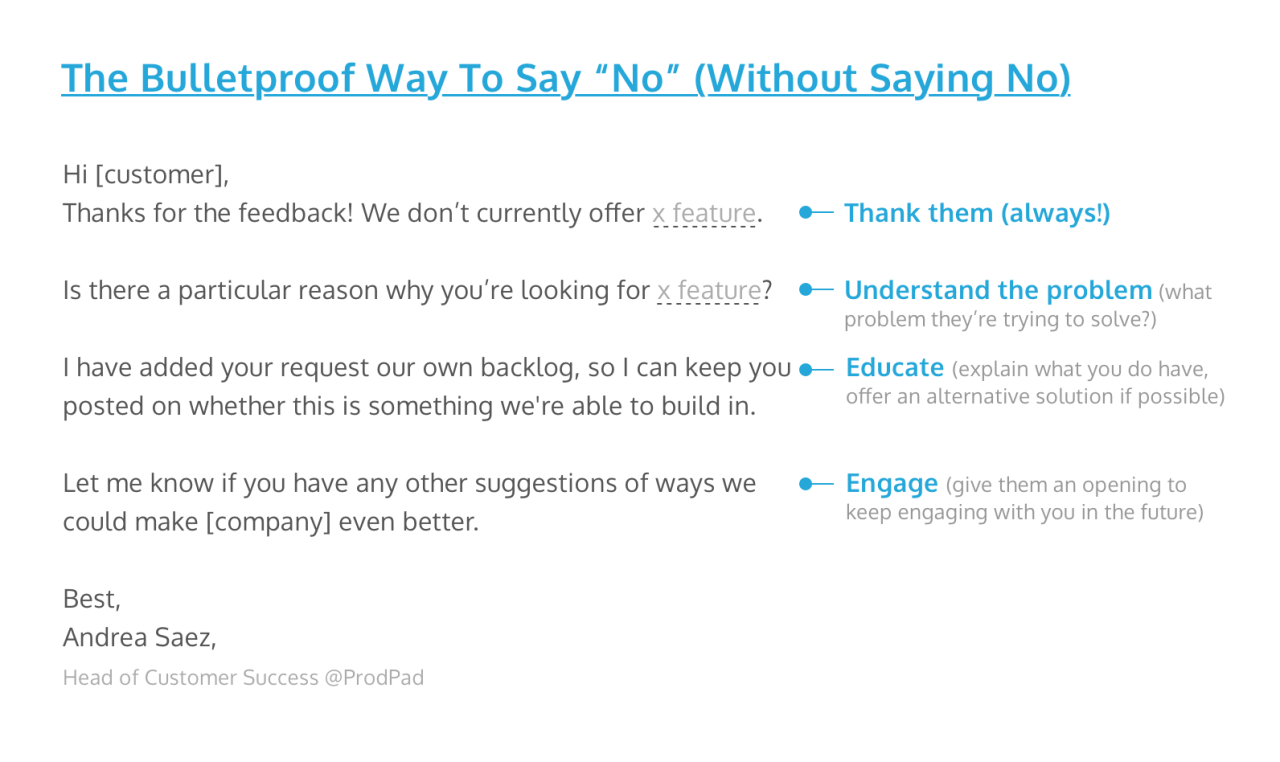
- Acknowledge the request: Show that you have understood the request by explicitly acknowledging it. This demonstrates attentiveness and respect for the person’s needs or concerns.
- Express appreciation: Thank the requester for considering you or for reaching out. This sets a positive tone and shows that you value their effort or trust.
- Explain your reasoning: Offer a clear, honest explanation for why you cannot fulfill the request. Focus on objective reasons like prior commitments, workload, or aligning with your responsibilities.
- Offer alternatives or solutions: When possible, suggest other ways to assist or propose alternative resources, such as referring them to another colleague or delaying the request until a more appropriate time.
- Maintain a positive tone: Use polite language and a friendly tone throughout to ensure your refusal is received graciously.
- Close respectfully: End the conversation with a courteous remark, reaffirming your willingness to collaborate on future tasks or expressing your appreciation again.
Applying these steps consistently helps convey your message with professionalism and empathy, preventing potential misunderstandings or feelings of rejection.
The importance of tone, body language, and timing
Non-verbal cues and delivery significantly influence how your refusal is perceived. Maintaining an appropriate tone, positive body language, and choosing the right moment can make your message more effective and less likely to cause offense.
Tone: A calm, respectful, and friendly tone signals your sincerity and openness. Avoid sounding abrupt, dismissive, or overly hesitant, as this can undermine your message or create confusion.
Body language: Maintain eye contact, keep an open posture, and use gentle gestures to reinforce your words. A warm smile and nodding can demonstrate understanding and friendliness, even when declining a request.
Timing: Select an appropriate moment to communicate your refusal. For instance, addressing a request during a busy or stressful period might convey impatience. Instead, find a calm, private setting where both parties can discuss openly without distractions.
By paying attention to these elements, you ensure your polite refusal is received as considerate and professional, reducing the risk of miscommunication or damaged relationships.
Techniques to Maintain Professionalism and Politeness
Maintaining professionalism and politeness while declining requests at work is essential for fostering respectful relationships and preserving a positive workplace environment. Mastering these techniques ensures that your refusals are perceived as considerate rather than dismissive, thereby supporting open communication and mutual respect.Effective refusal strategies require a delicate balance between assertiveness and diplomacy. This balance helps you convey your boundaries clearly without diminishing the other person’s dignity or creating unnecessary conflict.
By adopting suitable communication practices, you can uphold your responsibilities and personal limits while maintaining a friendly and professional demeanor.Active listening and empathetic communication are vital tools in this process. Demonstrating genuine understanding of colleagues’ perspectives and concerns helps to soften refusals and encourages cooperation. When people feel heard and respected, they are more receptive to your polite refusals, reducing potential misunderstandings or resentment.
Balancing Assertiveness with Diplomacy
Achieving a balance between being assertive and diplomatic involves expressing your boundaries confidently yet kindly. Clear and direct language, combined with respectful tone and body language, communicates your stance without appearing aggressive or indifferent. Use phrases like,
“I appreciate your request, but I am unable to accommodate it at this time.”
to assert your position while demonstrating respect.Guidelines for effective balancing include:
- Prioritize clarity over ambiguity to avoid misunderstandings.
- Maintain a calm and even tone, avoiding raising your voice or sounding dismissive.
- Use positive language that reinforces your willingness to collaborate in future opportunities.
- Be honest about your limitations without over-explaining or making excuses.
Active Listening and Empathetic Communication
Active listening involves fully concentrating on the speaker’s message without interrupting, which signals respect and attentiveness. This technique helps you understand the underlying needs or concerns that motivate their request, enabling you to respond more thoughtfully.Empathetic communication entails acknowledging the other person’s feelings and perspectives, which can be achieved through verbal affirmations and reflective statements. For example, saying,
“I understand this is important to you, and I appreciate your trust in me, but I am unable to fulfill this request right now.”
demonstrates empathy while maintaining your polite refusal.Practical tips include:
- Maintain eye contact and open body language to convey engagement.
- Paraphrase or summarize the other person’s request to show understanding.
- Validate their feelings, even when declining, by expressing appreciation or regret.
- Respond promptly to requests to demonstrate respect and professionalism.
Comparison of Approaches and Their Effectiveness
Understanding different approaches to saying no at work helps in choosing the most appropriate method for each situation. The table below compares various techniques based on their effectiveness in maintaining professionalism, fostering understanding, and minimizing conflict.
| Approach | Description | Effectiveness | Suitability |
|---|---|---|---|
| Direct but Polite | Clearly states refusal with respectful language, e.g., “Thank you for thinking of me, but I cannot take this on right now.” | High; balances clarity with courtesy | When clarity and professionalism are priorities |
| Empathetic and | Provides reasons and shows understanding, e.g., “I wish I could help, but I am currently overloaded with projects.” | Moderate to high; fosters understanding but may weaken assertiveness | When maintaining goodwill is essential |
| Suggesting Alternatives | Refuses while offering solutions, e.g., “I can’t assist this time, but perhaps Jane can help.” | High; maintains positive relationships and collaboration | When ongoing cooperation is desired |
| Passive or Vague | Using ambiguous language, e.g., “Maybe later” or “I’ll see,” which often delays clarity | Low; risks miscommunication and unresolved issues | Generally not recommended for professional settings |
Effective communication in professional environments hinges on selecting appropriate approaches that respect both your boundaries and colleagues’ needs. Combining honesty, empathy, and a solution-oriented attitude promotes a respectful atmosphere where polite refusals are seamlessly integrated into daily interactions.
Managing Guilt and Maintaining Boundaries
Navigating the act of declining requests at work without feeling guilty is essential for sustaining professional boundaries and personal well-being. Many employees experience discomfort when saying no, often fearing negative perceptions or strained relationships. Developing confidence in refusal helps to establish clear boundaries, ensuring that personal limits are respected while maintaining a positive work environment. It is equally important to reinforce these boundaries effectively to prevent overreach and to foster mutual respect among colleagues.
Developing Confidence in Refusing Requests
Building self-assurance when declining tasks or favors is crucial for maintaining professionalism and personal integrity. Confidence stems from understanding your priorities, knowing your limits, and practicing assertive communication. Regularly reminding yourself that saying no is a legitimate aspect of effective time management and workload control can bolster your confidence. Additionally, role-playing scenarios with trusted colleagues or mentors can help simulate real-life refusal situations, making you more comfortable and assertive when facing similar requests in actual work settings.
Methods for Reinforcing Personal Boundaries Without Damaging Relationships
Establishing and communicating boundaries respectfully ensures ongoing positive relationships with colleagues and superiors. Clear, consistent language is vital to avoid misunderstandings. Use phrases such as, “I appreciate your confidence in me, but I’m currently focusing on my existing priorities,” or “Thank you for considering me, but I won’t be able to take on additional responsibilities at this moment.” Maintaining a friendly tone while setting limits signals professionalism and respect.
It’s also helpful to be transparent about your workload or constraints, which can foster understanding and reduce the likelihood of offending others.
Strategies to Handle Potential Pushback Professionally
When colleagues or supervisors push back against your refusal, responding tactfully preserves relationships while reaffirming your boundaries. Acknowledging their perspective with statements like, “I understand the importance of this task, but I need to prioritize other commitments” demonstrates empathy. If pushback continues, calmly reiterate your reasons and suggest alternative solutions, such as delegating tasks or proposing different timelines. Maintaining a composed demeanor and refraining from defensive language are key to defusing tension.
Consistently applying these strategies reinforces your professionalism and signals that boundaries are non-negotiable for sustainable work practices.
Sample Dialogues and Role-Playing Scenarios

Practicing polite refusals through sample dialogues and role-playing exercises enhances employees’ confidence and effectiveness in saying no at work. These scenarios help individuals rehearse real-life interactions, enabling them to respond professionally and politely in diverse situations. By engaging in role plays, colleagues can develop a better understanding of tone, language, and body language that contribute to respectful communication.
Role-playing exercises should be designed to reflect common workplace scenarios where refusals are necessary. Participants can alternate roles, with some acting as the requester and others as the responder, to simulate authentic interactions. Constructive feedback from peers or supervisors can improve language, tone, and body language, ensuring that responses remain friendly yet firm.
Sample Dialogue in Various Contexts
Scenario 1: Declining a Last-Minute Task
Colleague: Can you help me finish this report tonight? I’m running behind.
Response: “I appreciate you thinking of me, but I already have commitments that I need to prioritize tonight. Perhaps I can assist you tomorrow morning?”
Scenario 2: Politely Refusing an Unnecessary Meeting
Manager: Please join the team meeting at 4 PM to discuss the project updates.
Response: “Thank you for the invitation. I believe I’m up to date on the project, and I can review the meeting notes afterward if that works.”
Scenario 3: Turning Down a Social Invitation During Work Hours
Colleague: Want to grab coffee during lunch? It’s been a while.
Response: “Thanks for inviting me. I have some tasks I need to complete, but I look forward to catching up later.”
Scenario 4: Declining a Favor that Impacts Work Responsibilities
Team Member: Could you cover my shift this weekend?
Response: “I understand your situation, but I have prior commitments and won’t be able to cover your shift. I recommend discussing this with our supervisor for alternative arrangements.”
Creating Role-Play Exercises for Practice
To effectively develop skills in polite refusal, organizations should organize role-play sessions where employees can simulate real work scenarios. These exercises encourage active participation, allowing individuals to practice phrasing refusals confidently while maintaining professionalism. It’s helpful to provide participants with scripts or prompts beforehand, then encourage improvisation to adapt to unexpected responses.Recording these sessions provides an opportunity for self-assessment and peer feedback, highlighting areas for improvement in tone, clarity, and professionalism.
Regular practice in a safe environment ensures that employees become adept at handling refusals gracefully in actual workplace situations, reducing stress and maintaining positive relationships.
Visual Aids and Infographic Suggestions
Incorporating visual aids and infographics into training materials enhances understanding and retention of how to say no politely at work. These visual tools serve as quick references, clarify complex decision pathways, and reinforce respectful communication techniques. Well-designed visuals make the learning process engaging and accessible, especially when addressing nuanced scenarios such as professional refusals.
Effective visual representations can simplify the decision-making process, demonstrate appropriate language use, and illustrate the tone and body language associated with polite refusals. They can also help employees recognize non-verbal cues that complement verbal communication. By leveraging these visual elements, organizations enable staff to confidently and professionally navigate delicate conversations, thereby fostering a respectful and efficient work environment.
Detailed Visual Representations Illustrating Polite Refusal Techniques
Creating visual aids that depict polite refusal techniques involves illustrating scenarios, body language, and language cues. For example, a series of images can show an employee listening attentively, maintaining eye contact, and nodding to acknowledge the request before politely declining. These images should emphasize calm facial expressions and open body language to convey respect and professionalism.
Diagrams illustrating the step-by-step process of refusing a request can help learners visualize how to approach such conversations. These could include a flowchart starting with listening, assessing the request, choosing appropriate language, delivering the refusal, and maintaining a positive tone. Using contrasting images—such as a dismissive gesture versus a respectful one—can further clarify what behaviors foster polite communication.
Designing Flowcharts Showing Decision Pathways for Declining Requests
Flowcharts are valuable tools for guiding employees through decision pathways when faced with requests at work. They can depict various scenarios, such as accepting, negotiating, or refusing a request, along with suggested language and tone. For example, a flowchart might begin with “Request received” leading to “Is the request aligned with priorities?” If yes, proceed to acceptance; if no, then “Is there a possibility for compromise?” If yes, suggest offering alternatives; if no, then “Politely decline.”
Designing these flowcharts with clear visual cues, such as arrows, decision diamonds, and color coding, helps users quickly interpret the options. Including sample phrases within each pathway provides concrete language guidance. These visuals serve as decision maps that reinforce confident, respectful responses aligned with organizational standards.
Descriptive Explanations for Creating Images That Depict Respectful Communication
Images aimed at depicting respectful communication should focus on body language, facial expressions, and contextual cues that support polite refusals. For example, illustrations can show an employee maintaining an open posture, facing the requester directly, with a gentle smile and nodding to display attentiveness. The background setting should reflect a professional environment, such as an office conference room or workspace.
Designs should emphasize subtle gestures like a raised hand indicating “pause” or “wait,” or a slight tilt of the head demonstrating attentiveness. Facial expressions should be calm and empathetic, avoiding signs of frustration or dismissal. Including visual cues like a polite handshake or a friendly tone of voice—represented through speech bubbles with courteous phrases—helps reinforce the message. Such images serve as visual exemplars of maintaining professionalism and respect during refusal conversations.
Final Review

In conclusion, knowing how to say no politely at work empowers you to manage your responsibilities confidently while maintaining good relationships. Employing respectful language and strategic communication ensures that boundaries are respected without causing misunderstandings. Cultivating this skill is vital for sustaining a professional and harmonious work environment.