Understanding how to listen to white noise for focus can significantly improve your productivity and concentration during work or study sessions. White noise, a consistent and soothing sound, has gained popularity as a tool to block out distractions and create an optimal environment for focus. Exploring various methods to access and optimize white noise listening can help you establish effective routines tailored to your needs, whether using digital devices or dedicated tools.
This guide provides insights into the science behind white noise, practical steps for setup across devices, ideal listening conditions, and strategies for integrating it into daily routines. By understanding these elements, you can harness the full potential of white noise to enhance your focus and achieve better results in your tasks.
Understanding White Noise for Focus

White noise is a type of sound signal that contains all audible frequencies played simultaneously at equal intensity. Often used as a background sound to improve concentration, white noise can serve as a consistent auditory environment that helps block out distractions. Its simple and uniform nature makes it a popular choice for enhancing focus during work, study, or relaxation periods.
Scientific research indicates that white noise influences brain activity by creating a steady auditory environment, which can mask sudden or disruptive sounds in the surroundings. This masking effect reduces cognitive load associated with environmental noise, allowing the brain to allocate more resources toward task-related focus. Studies have demonstrated that consistent auditory stimuli like white noise can improve attention span, especially in environments with unpredictable sounds or external disturbances.
Comparison between White Noise and Other Sound Types for Focus Enhancement
Different sound environments are used to foster focus, each with unique characteristics that impact individuals differently. Understanding these differences helps in selecting the most effective soundscape for personal needs.
Below is an overview highlighting the key distinctions:
| Sound Type | Characteristics | Advantages for Focus | Limitations |
|---|---|---|---|
| White Noise | Contains all frequencies evenly distributed, creating a consistent, static-like sound. | Masking external noises effectively, promoting uninterrupted concentration. | May be perceived as monotonous or irritating for some individuals. |
| Pink Noise | Emphasizes lower frequencies with a balanced distribution, producing a softer, more natural sound. | Less harsh than white noise; perceived as more soothing. | May be less effective at masking high-frequency disturbances. |
| Brown Noise | Dominated by bass frequencies, resulting in a deep, rumbling sound. | Highly effective at blocking low-frequency noises, suitable for environments with machinery or traffic. | Possible to induce drowsiness if used excessively during active tasks. |
| Nature Sounds (e.g., rain, forest, ocean waves) | Comprise natural environmental sounds with varying frequencies. | Promote relaxation and reduce stress, indirectly supporting focus. | Less effective at masking sudden loud noises; may be distracting if not aligned with personal preferences. |
| Music with Binaural Beats | Music tracks embedded with specific frequency differences to influence brainwave activity. | Can facilitate deep concentration and meditative states when used appropriately. | Effectiveness varies greatly among individuals; may require experimentation to find suitable frequencies. |
Choosing the appropriate sound environment depends on individual preferences and specific focus needs. While white noise offers a uniform masking sound, natural sounds and specialized audio like binaural beats can provide additional benefits tailored to personal relaxation and concentration goals.
Methods of Listening to White Noise

Choosing the appropriate method to listen to white noise is essential for creating an optimal focus environment. Various devices and applications offer diverse features, sound qualities, and levels of customizability, allowing users to tailor their white noise experience according to their preferences and circumstances. Understanding the available options ensures a seamless integration of white noise into daily routines, whether at work, study, or relaxation.
In this section, we explore different devices and applications used to generate or play white noise, providing clear procedures to set up each method. Additionally, a comparative table highlights the key features of popular white noise sources, aiding users in selecting the most suitable option for their needs.
Devices and Applications for Playing White Noise
There is a broad spectrum of devices and software designed to produce or stream white noise efficiently. From smartphones and computers to dedicated sound machines, each option offers unique advantages in terms of sound quality, ease of use, and cost. Selecting the right device depends on factors such as portability, control over sound parameters, and budget constraints, making it important to understand how each one functions and how to set it up effectively.
Setting Up White Noise on Various Devices
Implementing white noise into your environment involves specific steps tailored to each device type. Proper setup ensures consistent playback and optimal sound quality, enhancing concentration and relaxation.
- Smartphones and Tablets:
- Download a trusted white noise app from your device’s app store, such as “White Noise Lite,” “myNoise,” or “Relax Melodies.”
- Open the app and browse the available sound options, selecting white noise or a specific variant like fan noise or static.
- Adjust the volume to a comfortable level, ensuring it does not interfere with your concentration or hearing health.
- Use additional features such as timers or background play to customize your listening experience.
- Computers (Windows or Mac):
- Access online white noise generators like simplynoise.com or mynoise.net through a web browser.
- Download dedicated software or applications, such as Noisli or White Noise Generator, for more control.
- Configure playback settings, selecting your preferred sound type and adjusting volume levels.
- Keep the application running in the background while working or studying.
- Dedicated White Noise Machines:
- Set up the device on a stable surface within easy reach.
- Power on the machine and select the desired sound preset, which often includes various white noise options.
- Adjust volume and tone controls, if available, to tailor the sound to your preference.
- Use the timer feature if the device supports it, to automatically turn off after a certain period.
Comparison of Popular White Noise Sources
Choosing between devices and applications involves evaluating their sound quality, level of customizability, and cost. The table below provides a clear comparison to assist users in making an informed decision based on their specific needs.
| Device/App | Sound Quality | Customizability | Cost |
|---|---|---|---|
| White Noise Lite (Mobile App) | Good; varies with device quality | High; multiple sound options, timers | Free / In-app purchases available |
| myNoise.net (Web & App) | Excellent; high-fidelity sounds | Very high; detailed sound adjustments, mixers | Free with optional premium features |
| Noisli (Desktop & Mobile) | Good; balanced sound quality | Moderate; customizable sound blends | Subscription-based or one-time purchase |
| Dedicated White Noise Machine | Excellent; optimized for consistent playback | Limited; preset options, some adjustable tone controls | Varies; typically $30–$100 |
Optimal Conditions for Listening
Creating the right environment is essential for maximizing the benefits of white noise during focus and concentration activities. When environmental factors are optimized, the soothing and masking qualities of white noise become more effective, allowing for sustained attention and reduced distractions. Understanding these conditions helps individuals tailor their listening setup to suit their specific contexts, whether at work, study, or relaxation.
Several key factors influence the effectiveness of white noise in enhancing focus. Adjusting volume levels, managing background silence, choosing appropriate listening devices, and timing the listening sessions are critical components. By paying attention to these elements, users can significantly improve their productivity and concentration outcomes while enjoying the calming, non-intrusive qualities of white noise.
Environmental Factors that Maximize Effectiveness
Optimizing environmental factors involves controlling various elements to create an ideal listening scenario. These factors include the volume of playback, background noise levels, the choice of listening device, and the positioning within the environment. Properly managing these elements ensures that white noise serves as an effective masking agent without becoming a source of distraction itself.
- Volume Level: White noise should be played at a volume that is loud enough to mask disruptive sounds but not so loud as to cause discomfort or hearing strain. A good rule of thumb is to set the volume at a level where the sound is perceivable but not dominating the environment, typically around 60-70 decibels.
- Background Silence: A quiet room enhances the effectiveness of white noise by reducing competing sounds. When the environment is too noisy, the white noise may need to be louder, which could lead to fatigue. Conversely, in a very silent setting, lower volumes suffice, creating a balanced auditory environment.
- Headphones vs. Speakers: Personal listening devices such as headphones or earbuds offer focused sound delivery, minimizing external distractions. Over-ear headphones can provide better sound isolation, while speakers allow for shared listening but may introduce other ambient noises, especially in communal environments.
- Listening Position: Sitting in a comfortable position with minimal external interruptions ensures consistent sound quality and concentration. Avoiding locations prone to frequent disturbances or background interruptions optimizes focus.
Best Practices for Timing and Duration
Effective use of white noise involves strategic timing and session lengths. Proper scheduling helps in establishing routines that align with periods of high productivity, improving overall focus and preventing listening fatigue.
- Timing of Sessions: Incorporate white noise during designated work or study blocks, ideally during times of peak mental alertness. Many individuals find mid-morning or early afternoon optimal, as they are naturally more focused during these periods.
- Duration of Listening: Sessions typically range from 25 to 50 minutes, aligning with the Pomodoro Technique, which promotes focused work intervals followed by short breaks. Extended periods of continuous listening can lead to fatigue, so it’s advisable to pause regularly.
- Breaks and Pauses: Regularly scheduled breaks, about every 25 minutes, help prevent sensory overload and maintain overall concentration. During breaks, remove headphones or turn off white noise to reset auditory focus.
- Consistency: Establishing a daily routine with consistent white noise sessions reinforces focus habits and conditions the mind to enter a concentration state more quickly over time.
Recommended Settings and Configurations for Different Environments
Adjusting settings based on the environment ensures that white noise remains effective and comfortable across varying contexts. Tailoring these configurations enhances both usability and focus.
| Environment | Recommended Settings |
|---|---|
| Quiet Home Office |
|
| Public Library or Shared Workspace |
|
| Outdoor or Noisy Environments |
|
| Relaxation or Break Periods |
|
Optimal white noise listening conditions are achieved through a combination of controlled volume, environmental silence, appropriate device choice, and well-timed sessions, all tailored to the specific context of use.
Techniques for Incorporating White Noise into Daily Routine
Integrating white noise into your daily activities can significantly enhance concentration, reduce distractions, and promote relaxation. Effective incorporation involves choosing methods tailored to your specific needs, whether for study, work, or rest. By establishing consistent habits and utilizing appropriate tools, you can maximize the benefits of white noise throughout your day.Understanding various approaches to integrating white noise allows for flexible adaptation.
Whether you prefer continuous background sounds during work hours, scheduled sessions to coincide with specific tasks, or on-demand use in moments of need, customizing your routine ensures seamless and consistent support for focus and relaxation. Establishing these habits not only enhances productivity but also fosters a sense of calm and mental clarity.
Continuous Listening During Activities
Continuous listening involves having white noise playing extensively throughout periods of study, work, or relaxation. This method creates a steady auditory environment that minimizes external interruptions and enhances focus. It is particularly beneficial during lengthy sessions where sustained concentration is required.
- Using a dedicated white noise machine set to a consistent volume that runs for the entire duration of a task or relaxation period.
- Employing background white noise apps on smartphones or computers that can be left active during work or study sessions.
- Playing ambient white noise recordings through speakers or headphones, ensuring the volume remains steady to avoid sudden disruptions.
This approach is ideal for individuals who prefer a constant auditory environment, reducing the need to start and stop the noise repeatedly, thereby maintaining focus without interruption.
Scheduled White Noise Sessions
Implementing scheduled sessions involves aligning white noise playback with specific parts of your daily routine, such as designated study periods or relaxation times. This method fosters a structured environment and signals your brain that it is time to focus or unwind.
Scheduled use can be integrated into your daily planner or calendar, promoting consistency and routine adherence. For example, setting a timer for 90-minute study blocks with white noise playing during each session helps reinforce focus periods.
- Planning specific time slots in your day dedicated to focused work or relaxation with white noise as an integral component.
- Using alarms or timers to start and stop the white noise playback, creating predictable habits that enhance mental association with focus or rest.
- Combining scheduled white noise with other routines, such as meditation or deep work sessions, to strengthen mental cues and improve overall productivity.
This method supports creating a habitual environment where white noise acts as a signal for a focused or calming state, helping to build consistent routines.
On-Demand Use for Focus and Relaxation
On-demand use of white noise offers flexibility, allowing you to activate the sound environment precisely when needed. This approach is suitable for situations where distractions are unpredictable or when brief periods of focus or relaxation are required unexpectedly.
White noise can be quickly accessed through portable devices, apps, or online platforms during moments of distraction or stress.
Examples include:
- Activating white noise on a smartphone app during a sudden distraction at work or study to regain focus swiftly.
- Using portable white noise generators or apps during short breaks to reset attention before resuming tasks.
- Listening to white noise during moments of stress or anxiety as a quick method to calm the mind, especially in noisy environments.
This method emphasizes adaptability, allowing you to incorporate white noise seamlessly whenever you find it beneficial, without the need for pre-established routines.
Benefits and Precautions
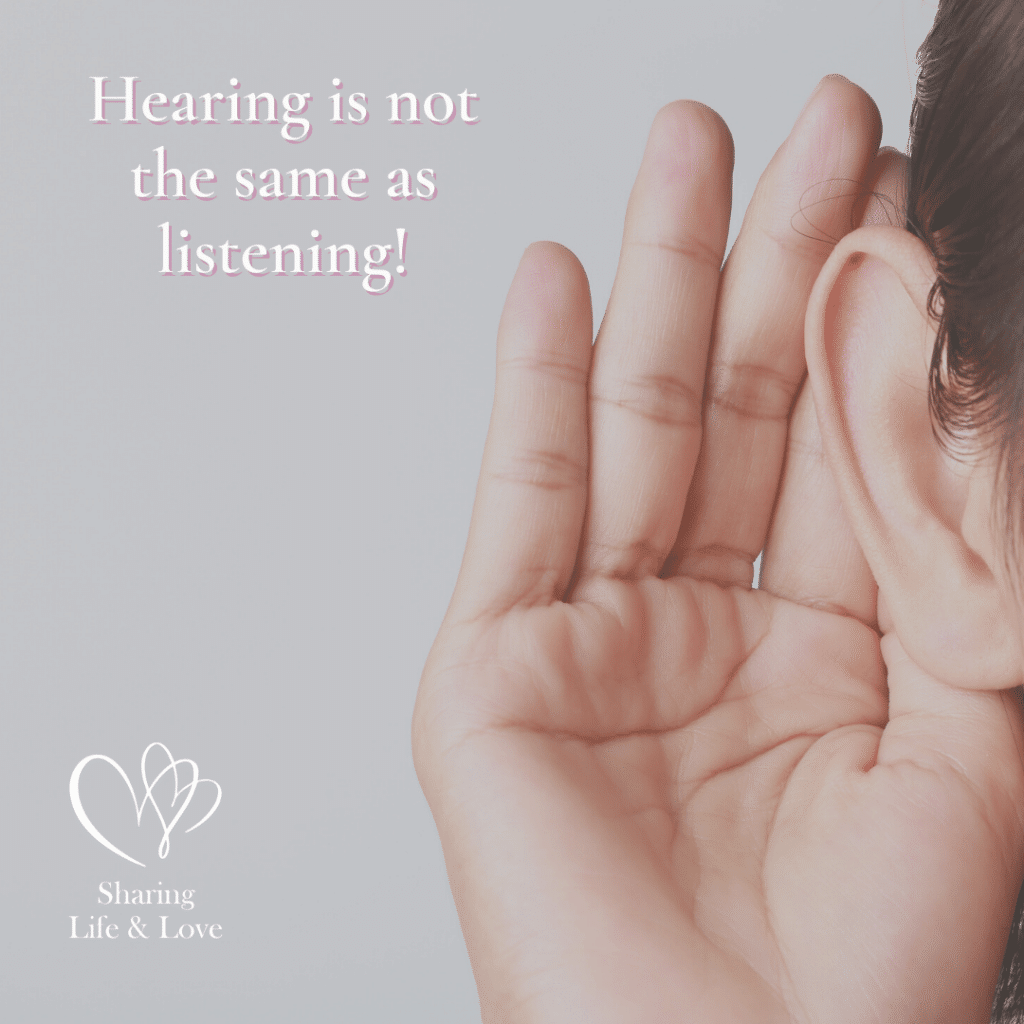
Listening to white noise for focus can offer a range of psychological and physiological advantages. However, it is equally important to be aware of potential sensitivities or drawbacks associated with prolonged or improper exposure to white noise. Understanding both the benefits and precautions ensures an effective and safe integration of white noise into your daily routine.
White noise, when used appropriately, can enhance concentration, promote relaxation, and improve overall mental clarity. Conversely, some individuals may experience discomfort or adverse effects, especially if they are sensitive to auditory stimuli or have underlying health conditions. Recognizing these factors helps in making informed decisions about using white noise as a focus aid.
Psychological and Physiological Benefits
Engaging with white noise regularly can positively influence both mental and physical health by creating an environment conducive to focus and relaxation. The following points elucidate these benefits:
- Enhanced Concentration: White noise helps mask distracting background sounds, allowing individuals to maintain attention on tasks such as studying, working, or reading. This can lead to increased productivity and efficiency.
- Stress Reduction and Relaxation: The consistent, soothing sound of white noise can create a calming environment, reducing feelings of anxiety and promoting mental relaxation, especially in noisy or unpredictable settings.
- Improved Sleep Quality: For many, white noise acts as a sleep aid by drowning out disruptive noises, leading to deeper and more restful sleep, which indirectly benefits focus and cognitive function during waking hours.
- Physiological Regulation: Exposure to white noise may help stabilize heart rate and blood pressure associated with decreased stress levels, contributing to overall well-being.
Potential Drawbacks and Sensitivities
While white noise offers numerous benefits, some individuals may encounter drawbacks or sensitivities that warrant attention. Recognizing these issues can prevent discomfort or negative health effects:
- Hearing Fatigue or Damage: Extended exposure to loud white noise can potentially lead to hearing fatigue or even hearing loss. It is crucial to keep the volume at a safe level, generally below 70 decibels, to protect auditory health.
- Sensory Overload or Discomfort: For those with sensory processing sensitivities, white noise may be overwhelming or irritating, leading to increased stress rather than relief. Personal tolerance levels vary widely.
- Interference with Communication: Continuous white noise can sometimes hinder verbal communication and social interaction if used excessively in shared environments.
- Dependency or Reduced Sensitivity: Relying heavily on white noise for focus may lead to difficulty concentrating in its absence, or reduce the brain’s ability to adapt to natural environmental sounds.
Benefits Versus Precautions Table
| Benefits | Precautions |
|---|---|
| Improves focus and productivity: White noise creates a consistent auditory environment that minimizes distractions, allowing better concentration on tasks. | Monitor volume levels: Keep volume at a safe level to prevent hearing damage; use volume controls or dedicated apps with safety features. |
| Reduces stress and promotes relaxation: The calming sound can help lower anxiety, creating a serene environment for work or rest. | Be mindful of sensitivities: Individuals with sensory sensitivities may find white noise overwhelming; test different sounds or volumes to find suitable levels. |
| Enhances sleep quality: White noise can mask disruptive environmental sounds, aiding in better sleep patterns. | Avoid prolonged exposure at high volumes: Long-term exposure to loud white noise may cause auditory fatigue or damage. |
| Supports physiological health: May help regulate heart rate and blood pressure by reducing stress-related responses. | Limit continuous exposure: Incorporate breaks and avoid using white noise constantly to prevent dependency and sensory overload. |
Troubleshooting Common Issues
Listening to white noise for focus can significantly enhance concentration and productivity. However, users may encounter certain challenges that hinder the effectiveness or comfort of their listening experience. Addressing these issues with practical solutions ensures a positive and sustainable practice, maximizing the benefits of white noise for focus.White noise sessions can sometimes lead to discomfort or reduced focus due to individual sensitivities, environmental factors, or technical issues.
Recognizing these common problems and implementing targeted adjustments can greatly improve the overall experience.
Discomfort or Irritation During Listening Sessions
When white noise causes irritation or discomfort, it often stems from sound levels, frequency ranges, or personal sensitivity. Persistent discomfort can discourage continued use and reduce potential focus benefits.To mitigate irritation:
- Adjust the volume to a comfortable, non-intrusive level. The sound should mask distractions without overwhelming your ears.
- Choose or customize white noise frequencies that are less abrasive or harsh on your ears, such as softer, more evenly distributed sounds.
- Incorporate breaks during longer listening sessions to prevent auditory fatigue. Short, regular pauses can help maintain comfort and focus.
- Experiment with different sound sources or apps that offer customizable white noise options, allowing you to select the most soothing variants.
Implementing these measures can help create a more pleasant listening environment and reduce irritation over time.
Insufficient Focus or Distractions Persist
Sometimes, white noise may not effectively enhance focus or may even introduce new distractions, especially if the sound is inconsistent or problematic.To improve concentration:
- Ensure the white noise source is stable and free from interruptions or sudden changes in volume, which can divert attention.
- Position speakers or headphones to optimize sound delivery, avoiding external disturbances such as background noise or echo.
- Use high-quality audio equipment that provides a clear and consistent sound output, reducing the chance of background hissing or distortions.
- Combine white noise with other focus-enhancing techniques, like structured work intervals or environmental adjustments, to reinforce concentration.
Monitoring your environment and adjusting the sound source accordingly can significantly improve focus during white noise sessions.
Maintaining Sound Quality and Comfort Over Extended Periods
Extended listening periods can sometimes lead to deterioration in sound quality or physical discomfort, such as ear fatigue or earache.To maintain optimal conditions:
| Tip | Description |
|---|---|
| Use Quality Equipment | Select headphones or speakers with good sound fidelity and comfort features, like cushioned ear pads and adjustable headbands, to reduce fatigue. |
| Limit Duration | Schedule regular breaks, ideally every 60-90 minutes, to prevent auditory fatigue and maintain sound clarity. |
| Maintain Equipment | Regularly clean and service audio devices to prevent sound degradation and ensure consistent performance. |
| Volume Management | Consistently keep sound levels at a moderate, safe volume. Avoid excessively loud settings that can cause ear strain or damage. |
Additionally, choosing noise-canceling headphones can help maintain consistent sound quality and reduce external distractions, fostering a more comfortable listening experience over time.
Consistent adjustments and attentive monitoring of your listening environment are key to overcoming common issues and sustaining an effective white noise focus practice.
Enhancing Focus with White Noise Variations
Different individuals have unique preferences and cognitive needs when it comes to maintaining focus. Exploring various types of white noise and sound layers allows for the creation of personalized auditory environments that can significantly improve concentration and productivity. By customizing soundscapes, users can target specific focus areas, whether that involves deep work, creative thinking, or relaxation after intensive tasks.
Utilizing white noise variations involves combining different ambient sounds with traditional white noise to craft a tailored auditory setting. This method helps mitigate distractions, mask background disturbances, and promote sustained attention. Developing an understanding of how specific sound layers influence focus enables individuals to optimize their routines and achieve better mental clarity throughout the day.
Personalized Soundscape Creation for Focus Enhancement
Creating a customized soundscape entails selecting and blending various ambient sounds with white noise to align with individual preferences and focus requirements. This approach allows for a more engaging and effective auditory environment, which can adapt to different tasks and timeframes. Personalization can involve adjusting volume levels, layering sounds, and experimenting with different combinations until the optimal setting is achieved.
Some popular ambient sounds that complement white noise include nature sounds, cityscapes, or subtle instrumental music. These layers can be mixed at varying intensities to produce a balanced sound environment that minimizes distractions while enhancing mental alertness. Using sound editing tools or dedicated apps makes it straightforward to craft and save personalized soundscapes for regular use during work, study, or relaxation.
Sound Options and Their Effects on Concentration
Different sound options can evoke distinct cognitive and emotional responses, affecting how effectively one can focus. Below is a list of common sound layers combined with white noise and their potential impact on concentration:
| Sound Layer | Potential Effects on Focus |
|---|---|
| Nature Sounds (e.g., rain, forest ambient) | Provides a calming backdrop that reduces stress and enhances sustained attention, especially for tasks requiring prolonged concentration. |
| Urban Soundscapes (e.g., distant traffic, city buzz) | Creates a stimulating environment that can boost alertness for tasks needing moderate concentration, while masking more disruptive noises. |
| Instrumental Music (without lyrics) | Encourages mental clarity and minimizes intrusive thoughts, beneficial for creative work and deep focus sessions. |
| Low-frequency White Noise (e.g., brown noise) | Offers a deeper, more enveloping sound that can improve sleep quality and aid focus in individuals sensitive to higher frequencies. |
| Ambient Sound Layers (e.g., wind, gentle waves) | Supports relaxed alertness, ideal for tasks that require both creativity and concentration, such as brainstorming or planning. |
“Personalized soundscapes empower individuals to tailor their auditory environment, enhancing focus and reducing cognitive fatigue during demanding tasks.”
By experimenting with these sound layers and adjusting their combinations, users can discover the most effective auditory environment for their unique focus needs. Integrating these variations into daily routines allows for a dynamic and adaptable approach to maintaining high levels of concentration across different activities and settings.
Last Point

In conclusion, listening to white noise for focus offers a versatile and scientifically supported way to boost your concentration. By selecting suitable devices, creating optimal listening environments, and incorporating it into your daily habits, you can experience improved productivity and mental clarity. Embracing these practices allows you to make white noise an effective part of your focus-enhancement toolkit.