Enhancing online communication skills is essential in today’s digital-driven environment. Mastering effective virtual interactions ensures that messages are conveyed clearly, professionally, and respectfully across various platforms. By understanding fundamental principles and applying practical strategies, individuals can foster more meaningful and efficient digital exchanges that bridge gaps and promote collaboration.
This comprehensive overview explores core concepts such as clarity, etiquette, technological tools, active listening, content creation, evaluation, and conflict resolution. Implementing these approaches can significantly improve the quality and effectiveness of online communication, leading to stronger relationships and better outcomes in both professional and personal contexts.
Understanding the Fundamentals of Effective Online Communication
Effective online communication is essential for fostering clear and productive interactions across digital platforms. As remote work, virtual collaborations, and digital networking become increasingly prevalent, mastering the core principles of successful virtual exchanges is vital for individuals and organizations alike. A solid understanding of these fundamentals helps prevent misunderstandings, enhances engagement, and builds stronger relationships in digital environments.
Online communication differs significantly from face-to-face interactions, requiring specific skills, awareness of potential pitfalls, and the strategic use of tools and techniques. Recognizing the core principles that underpin effective digital interactions enables communicators to adapt their messages appropriately and navigate common challenges with confidence. These principles serve as the foundation for creating meaningful, respectful, and efficient online exchanges.
Core Principles of Successful Digital Interactions
Several key principles consistently underpin effective online communication. These principles focus on clarity, authenticity, responsiveness, and appropriateness, which together facilitate mutual understanding and positive engagement in virtual settings. By adhering to these principles, users can optimize their digital interactions regardless of the platform or context.
| Principle | Description | Strengths | Weaknesses |
|---|---|---|---|
| Clarity | Ensuring messages are straightforward, concise, and unambiguous to avoid misunderstandings. | Reduces confusion; enhances comprehension; fosters efficiency. | Over-simplification may omit important nuances; can lead to overly brief communication. |
| Authenticity | Being genuine and transparent to build trust and rapport. | Strengthens relationships; encourages openness; promotes credibility. | Risk of oversharing; potential for misinterpretation if tone is not managed carefully. |
| Responsiveness | Timely and appropriate replies to messages to maintain engagement. | Builds momentum; demonstrates professionalism; sustains interest. | Delayed responses may cause frustration; over-responsiveness can overwhelm recipients. |
| Appropriateness | Using language, tone, and formality suitable to the context and audience. | Enhances receptivity; avoids misunderstandings; respects cultural norms. | Misjudged appropriateness can offend or alienate participants. |
| Active Listening | Paying close attention to the content and emotional cues of others’ messages. | Fosters empathy; improves understanding; reduces miscommunication. | Can be resource-intensive; may be challenging in fast-paced exchanges. |
Common Challenges in Virtual Communication Settings
Engaging effectively in online environments presents unique obstacles that can hinder the clarity and impact of interactions. Awareness of these challenges is crucial for developing strategies to mitigate their effects and ensure productive communication.
- Technical Difficulties: Unstable internet connections, audio/visual issues, and platform incompatibilities can disrupt the flow of conversation, leading to frustration and misinterpretation of messages.
- Lack of Non-Verbal Cues: The absence of body language, facial expressions, and tone of voice can make it difficult to interpret intent, emotions, and emphasis, increasing the risk of misunderstandings.
- Information Overload: The ease of sending multiple messages or sharing excessive information can overwhelm recipients, reducing message clarity and focus.
- Time Zone Differences: Variations in time zones can delay responses and complicate scheduling, affecting the continuity and spontaneity of interactions.
- Distractions and Multitasking: Participants may be prone to distractions during virtual meetings, resulting in decreased attention and engagement.
“Effective online communication requires not only clear messaging but also an awareness of the contextual and technological factors that influence understanding.” — Digital Communication Expert
Strategies to Enhance Clarity and Comprehension in Online Exchanges
Effective online communication hinges on the clarity of messages, ensuring that the intended meaning is accurately conveyed and understood by all parties involved. Given the absence of verbal cues and physical presence, it becomes imperative to adopt specific strategies that bolster comprehension and prevent misinterpretations. Implementing these methods can significantly improve the quality of digital interactions, whether in professional settings, educational platforms, or casual exchanges.
By focusing on crafting well-structured messages, managing tone effectively, and considering the context, communicators can foster more meaningful and productive online conversations. The following techniques highlight practical approaches to achieve these goals, promoting transparency and reducing misunderstandings in digital environments.
Crafting Clear and Concise Messages for Digital Platforms
In online communication, brevity and precision are vital. Messages that are overly lengthy or ambiguous increase the risk of misinterpretation. Striving for simplicity helps recipients grasp the core message swiftly, facilitating quicker responses and reducing confusion. Clear language, free from jargon or complex terminology unless necessary, ensures accessibility across diverse audiences. Additionally, organizing information logically enhances readability and comprehension, making it easier for others to follow the intended message.
Techniques to Avoid Misunderstandings, Including Tone and Context
Since tone and context are often lost in digital exchanges, it is essential to be intentional in conveying emotional cues and situational nuances. Using precise language, including descriptive words or emojis where appropriate, can help express tone more effectively. Clarifying intentions through explicit statements or questions minimizes ambiguity. Furthermore, considering the recipient’s perspective and providing sufficient background or context can prevent assumptions that lead to misunderstandings.
For instance, referencing previous conversations or providing examples ensures clarity about the subject matter.
Best Practices for Structuring Messages for Maximum Clarity
Well-structured messages promote better understanding by guiding the reader through the content logically and coherently. Implementing these best practices enhances clarity and reduces the likelihood of miscommunication:
- Start with a clear purpose: Clearly state the main point or objective at the beginning of the message.
- Use short paragraphs and sentences: Break down information into manageable chunks to improve readability.
- Utilize bullet points and lists: Present complex or multiple items in an organized manner for easy scanning.
- Highlight key information: Use bold or italics sparingly to emphasize critical points, drawing attention where necessary.
- Include summaries or conclusions: Wrap up with a brief recap of essential information or next steps.
- Maintain a logical flow: Arrange ideas sequentially, ensuring each point naturally leads to the next.
- Proofread before sending: Review messages for clarity, grammatical accuracy, and tone appropriateness to prevent misunderstandings.
Effective online communication is achieved not just through the content of messages but also through thoughtful structuring and tone management, which collectively foster clarity and mutual understanding.
Improving Digital Etiquette and Professionalism
Maintaining proper digital etiquette and professionalism is essential for fostering respectful and effective online communication. When engaging in digital interactions, adherence to certain manners and protocols not only enhances clarity but also builds trust and credibility among colleagues, clients, and stakeholders. Developing a professional online presence involves understanding appropriate conduct across various digital platforms, ensuring that exchanges remain courteous, constructive, and aligned with organizational standards.A commitment to digital etiquette helps prevent misunderstandings, minimizes conflicts, and promotes a positive digital environment.
As remote work and virtual meetings become increasingly prevalent, cultivating these skills is vital for maintaining professionalism in all online interactions.
Essential Rules of Online Manners that Foster Respectful Communication
Establishing respectful communication practices online is fundamental for positive interactions and relationship building. The following guidelines serve as a foundation for courteous digital conduct:
- Use polite language: Always incorporate greetings, please, thank you, and respectful expressions to create a friendly tone.
- Be mindful of tone and intent: Since tone can be misinterpreted in written form, choose words carefully and avoid sarcasm or harsh language.
- Acknowledge others’ contributions: Show appreciation and recognition for colleagues’ ideas and efforts, fostering a collaborative atmosphere.
- Avoid offensive content: Steer clear of language or images that could be considered discriminatory, insensitive, or inappropriate.
- Respect privacy and confidentiality: Do not share sensitive information without consent, and be cautious in discussing private matters.
- Respond promptly and thoughtfully: Acknowledge messages and provide comprehensive, clear replies within a reasonable timeframe.
Procedures for Professional Email Writing and Instant Messaging Etiquette
Effective online communication requires adherence to specific conventions that reflect professionalism and clarity.
In professional email writing, clarity, conciseness, and tone are paramount. Begin with a respectful greeting, clearly state the purpose of the email, and organize content logically. Use proper punctuation, avoid slang, and close with an appropriate sign-off. Proofread messages to eliminate errors and ensure the message is respectful and coherent.
Instant messaging, while often more informal, still demands professionalism. Maintain a courteous tone, avoid excessive abbreviations, and respond in a timely manner. Use proper punctuation and capitalization to enhance readability. When discussing sensitive topics, consider switching to email or video calls to ensure privacy and clarity.
Contrast Between Informal and Formal Communication Styles
Understanding the differences between informal and formal communication styles enables professionals to adapt appropriately across contexts. The table below highlights key distinctions with relevant examples:
| Aspect | Informal Communication | Formal Communication |
|---|---|---|
| Greeting | Hey John! | Dear Mr. Smith, |
| Introduction | Just wanted to check in about the project. | I am writing to inquire about the current status of the project as discussed previously. |
| Language | Can you send me the stuff by today? | Could you kindly provide the required documents by the end of the day? |
| Tone | Casual, friendly | Respectful, professional |
| Closing | Cheers! | Sincerely, |
| Signature | John | John Smith, Project Manager |
“Adapting your communication style to suit the context ensures clarity, respect, and professionalism in all digital interactions.”
Leveraging Technology Tools to Facilitate Better Online Communication

Effective online communication relies heavily on the strategic use of digital tools that streamline information exchange, foster collaboration, and reduce misunderstandings. In today’s digital workplace, leveraging the right technology tools enhances clarity, efficiency, and professionalism, ultimately contributing to more productive and engaging online interactions. Organizations and individuals can optimize these tools to suit their specific communication needs, ensuring that messages are conveyed accurately and received in a timely manner.Utilizing collaboration platforms and communication applications effectively involves understanding their core features and applying best practices for their integration into daily workflows.
These tools can serve as central hubs for discussions, project updates, and scheduling, minimizing the risk of information silos and miscommunication. Proper configuration and consistent use of these platforms enable teams to maintain transparency, track conversations, and access shared resources effortlessly. By doing so, online communication becomes more streamlined, reducing ambiguity and enhancing mutual understanding across diverse teams, remote workers, and clients.
Features That Improve Clarity and Comprehension
An essential aspect of optimizing online communication tools is leveraging features designed to promote clarity and shared understanding. These functionalities help track conversations, clarify message intent, and coordinate schedules effectively.
“Read receipts, message threading, and shared calendars are vital features that foster transparency and ensure messages are acknowledged and understood.”
- Read Receipts: Indicate when a message has been viewed, reducing uncertainty about whether the recipient has received the communication, and prompting timely responses.
- Message Threading: Organizes conversations around specific topics or questions, making it easier to follow discussions without losing context, especially in busy chat environments.
- Shared Calendars: Enable team members to view each other’s schedules, coordinate meetings efficiently, and avoid conflicts, which is particularly valuable in remote work environments.
By actively utilizing these features, teams can ensure that communication remains clear, contextual, and timely, significantly reducing misunderstandings and enhancing overall collaboration.
Comparison of Popular Communication Tools and Their Key Functionalities
Choosing the right communication platform involves understanding the unique capabilities of each tool and aligning them with specific organizational needs. Below is a comparative overview of widely-used platforms, highlighting their core functionalities and ideal use cases.
| Tool | Core Functionalities | Ideal for |
|---|---|---|
| Microsoft Teams |
|
Organizations seeking an integrated platform for team collaboration, document management, and virtual meetings. |
| Slack |
|
Teams focusing on fast, flexible communication, especially in tech and creative industries. |
| Zoom |
|
Virtual meetings requiring reliable video, webinars, and remote training sessions. |
| Google Workspace (formerly G Suite) |
|
Organizations emphasizing seamless integration with productivity tools and cloud-based collaboration. |
When selecting a platform, consider factors such as integration capabilities with existing systems, user interface simplicity, security features, and scalability. Proper training and consistent use of these tools ensure that their features are maximized to facilitate clear, efficient, and collaborative online communication.
Building Active Listening and Engagement Skills in Virtual Environments
Effective online communication extends beyond clear messaging and professional etiquette; it fundamentally relies on active listening and genuine engagement. In virtual settings, these skills are crucial for fostering understanding, collaboration, and a positive digital atmosphere. Developing and practicing these abilities can significantly enhance interactions during video calls and online discussions, leading to more productive and inclusive exchanges.Active listening in virtual environments involves attentively receiving, interpreting, and responding to verbal and non-verbal cues despite the physical distance.
Engagement encompasses participation, responsiveness, and creating an environment where all participants feel valued and heard. Mastering these skills requires intentional effort and strategic techniques tailored to the online context.
Practicing Active Listening During Video Calls
Maintaining active listening during video calls ensures that messages are accurately understood and that participants feel genuinely connected. Here are step-by-step strategies to enhance this skill:
- Prepare Ahead of the Call: Review the agenda, notes, or relevant documents to be familiar with the discussion topics, reducing distractions and enabling focused attention.
- Maintain Visual Engagement: Keep the camera on if possible, and make eye contact by looking into the webcam. Use body language such as nodding or leaning slightly forward to signal attentiveness.
- Minimize Distractions: Close unnecessary applications, mute notifications, and find a quiet environment to fully concentrate on the conversation.
- Use Verbal Affirmations: Interject with brief comments like “I see,” “That makes sense,” or “Understood,” to demonstrate active listening and encourage speakers.
- Take Notes: Jot down key points during the discussion to stay engaged and facilitate accurate recall and feedback.
- Ask Clarifying Questions: When appropriate, pose respectful questions to deepen understanding or clarify ambiguous statements.
- Provide Feedback: Summarize or paraphrase parts of the conversation to confirm that the message has been understood correctly.
Encouraging Participation and Inclusivity in Online Discussions
Creating an inclusive online environment where all participants feel comfortable contributing involves deliberate strategies to promote engagement. The following methods foster collaboration and ensure diverse voices are heard:
Encouraging participation requires active facilitation and awareness of different communication styles. Some individuals may be more reserved or hesitant to speak up in virtual settings, so implementing inclusive practices is essential.
- Use Open-Ended Prompts: Pose questions like “What are your thoughts on this?” or “Can anyone share a different perspective?” to invite diverse contributions.
- Implement Round-Robin Sharing: Allocate specific turns for each participant to speak, ensuring everyone has an opportunity to contribute without interruption.
- Leverage Chat Features: Encourage use of chat boxes for those who prefer writing or are less comfortable speaking, allowing them to share insights simultaneously.
- Set Clear Expectations: Communicate that all contributions are valued, and remind participants to respect differing opinions and listen actively.
- Use Breakout Rooms: Divide larger groups into smaller, more manageable sessions to facilitate dialogue and reduce potential intimidation.
- Recognize and Acknowledge Contributions: Thank participants for their input and highlight insightful points to promote ongoing engagement.
Techniques for Summarizing and Paraphrasing to Confirm Understanding
Effective communication in online environments benefits greatly from techniques that verify comprehension. Summarizing and paraphrasing not only clarify messages but also demonstrate active listening and respect for the speaker’s ideas.
Employing these techniques involves concise restatement and reflection of key points, which helps prevent misunderstandings and ensures alignment among participants.
“Summarizing involves condensing the main ideas into a brief overview, while paraphrasing rephrases the speaker’s message in your own words to confirm understanding.”
- Summarizing: After a discussion segment, briefly recap the main points, emphasizing essential information. For example, “To confirm, the team agrees to proceed with the proposed timeline and assign tasks accordingly.”
- Paraphrasing: Restate what was said in your own words, such as, “If I understand correctly, you’re suggesting that we prioritize client feedback before finalizing the project scope.”
- Ask for Confirmation: Follow up with questions like “Does that accurately reflect your point?” or “Is there anything I missed?” to validate understanding.
- Utilize Summaries to Drive Action: Summarize key decisions or next steps at the end of meetings to ensure clarity and accountability.
Practicing these techniques consistently improves mutual understanding, reduces miscommunication, and fosters a collaborative online environment conducive to productive discussions.
Creating Engaging and Visually Appealing Digital Content
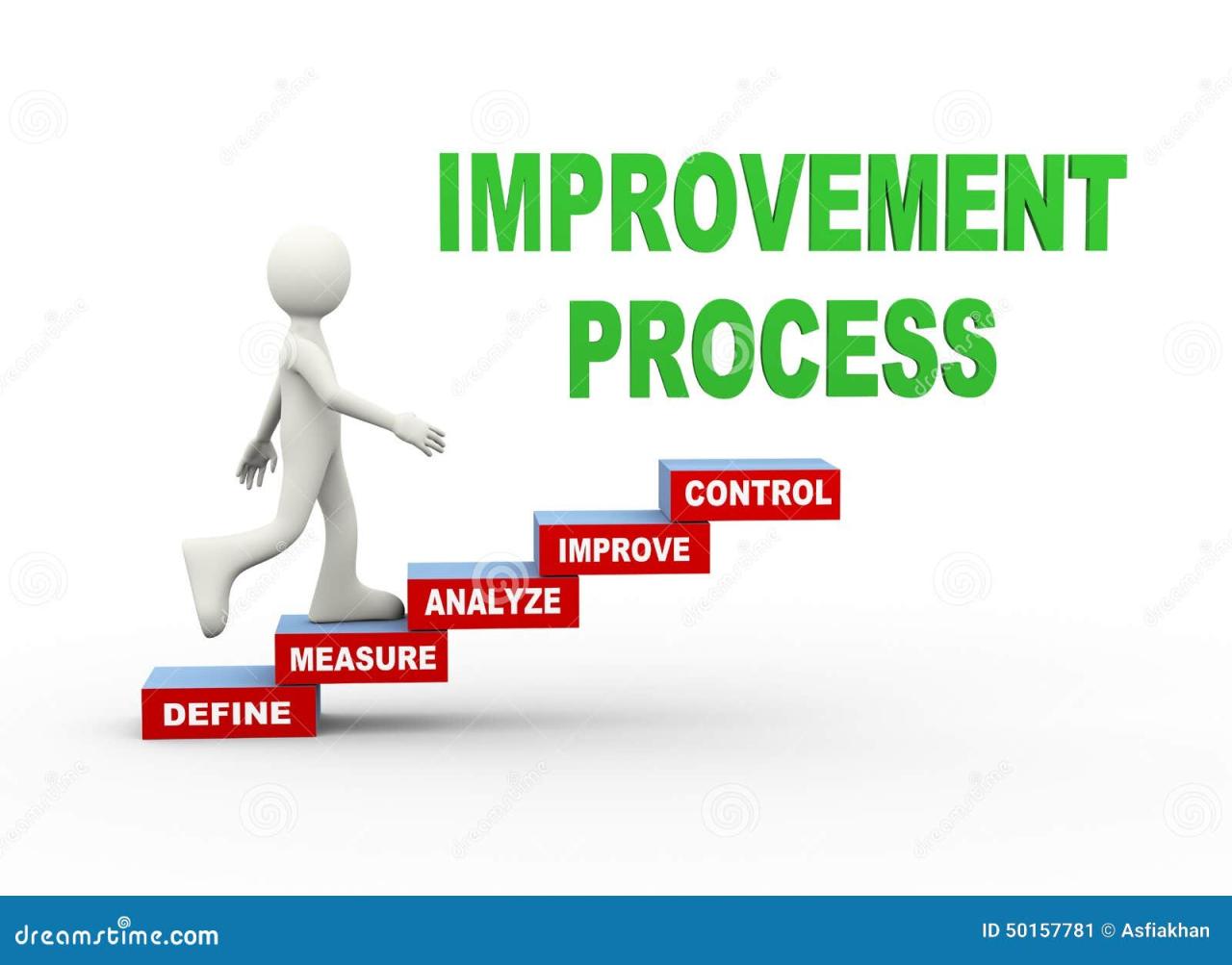
In the digital landscape, the ability to craft content that captures attention and communicates effectively is essential. Engaging and visually appealing digital materials not only attract viewers but also enhance understanding and retention of information. Whether designing presentations or crafting social media posts, applying sound design principles and multimedia integration elevates the quality and impact of online communication.
Effective digital content combines aesthetic appeal with clarity, message precision, and audience engagement. By leveraging visual elements, thoughtful layout, and multimedia tools, communicators can transform plain information into compelling narratives that resonate across diverse online platforms.
Design Principles for Effective Online Presentations and Social Media Posts
Design principles serve as the foundation for creating visually striking and user-friendly digital content. These principles include balance, contrast, alignment, repetition, proximity, and simplicity. Maintaining visual harmony ensures that the content is not overwhelming and guides the viewer’s eye naturally through the message.
For online presentations, use consistent color schemes and fonts to reinforce branding and messaging. Incorporate ample white space to improve readability and prevent clutter. In social media posts, bold headlines and contrasting colors help key messages stand out, prompting user interaction and engagement.
Incorporating Multimedia Elements to Enhance Message Delivery
Multimedia elements such as images, videos, infographics, and audio significantly enhance the delivery of messages by making content more dynamic and easier to understand. Proper integration of multimedia can evoke emotional responses, simplify complex ideas, and maintain viewer interest over longer periods.
To effectively incorporate multimedia, ensure that each element directly supports the core message. Use high-resolution images and professionally produced videos to maintain credibility. Infographics should organize data visually, making statistics or processes more digestible. When adding audio, ensure clarity and relevance to the content.
Content Structuring with Headings, Bullet Points, and Visuals
Structured content facilitates comprehension and keeps the audience engaged. Clear hierarchies with headings help organize information logically, allowing viewers to scan and locate relevant sections quickly. Bullet points break down complex ideas into manageable, digestible pieces, reducing cognitive load.
Visuals play a crucial role in reinforcing textual information. Incorporate charts, diagrams, and relevant images to illustrate key points and provide visual cues. When designing content, follow these guidelines:
- Start with a compelling headline that captures attention and clearly states the main idea.
- Use subheadings to divide content into distinct sections, making it easier to navigate.
- Present key information as bullet points or numbered lists to facilitate quick reading.
- Integrate relevant visuals next to corresponding text to reinforce understanding.
- Maintain consistent formatting and style throughout the content to establish visual coherence.
This approach ensures that your digital content is not only visually appealing but also highly functional, fostering better engagement and message retention among your audience.
Monitoring and Evaluating Online Communication Effectiveness
Assessing the impact and quality of online communication is crucial for ensuring clarity, engagement, and ongoing improvement. Implementing systematic monitoring and evaluation processes allows organizations and individuals to identify strengths, address challenges, and refine strategies to foster more productive digital interactions. By gathering feedback, tracking key metrics, and analyzing performance over time, communicators can make informed decisions that enhance overall communication effectiveness.
Effective evaluation involves both qualitative and quantitative approaches, combining direct feedback from participants with data-driven insights. This dual approach provides a comprehensive understanding of how well online communication efforts meet their objectives and where adjustments may be necessary to optimize outcomes.
Gathering Feedback on Digital Interactions
Collecting feedback from participants in online communication channels is essential for understanding user perceptions, satisfaction levels, and areas for improvement. Feedback mechanisms can be integrated seamlessly into digital interactions, making it easier to gather actionable insights.
- Implementing surveys and questionnaires that are concise yet comprehensive encourages participants to share their experiences and suggestions. These can be distributed via email, embedded within digital platforms, or shared through messaging apps to reach a broad audience.
- Encouraging comments and open-ended responses on social media posts, webinars, or online forums provides qualitative insights into participants’ perceptions and attitudes. Monitoring these comments enables timely responses and relationship building.
- Utilizing digital feedback tools such as real-time polls during webinars or live chat feedback forms allows immediate collection of opinions, helping to adjust ongoing interactions or future content.
Employing a combination of these methods ensures diverse perspectives are captured, providing a fuller picture of communication effectiveness and areas needing enhancement.
Tracking Engagement Metrics and Response Times
Monitoring quantitative data related to online interactions offers measurable insights into communication performance. Engagement metrics and response times serve as benchmarks for evaluating the responsiveness and vitality of digital exchanges.
These metrics include, but are not limited to:
- Response Time: The duration between receiving a message or question and providing a reply. Shorter response times generally indicate more active and attentive communication.
- Engagement Rate: The proportion of participants actively involved in conversations, such as likes, shares, comments, or participation in polls and discussions.
- Message Volume: The number of messages exchanged over a specific period, which reflects the level of interaction and interest.
- Participation Rates: The number of unique users contributing to discussions or content, indicating reach and inclusivity.
Tracking these metrics consistently helps identify patterns, peak engagement times, and potential bottlenecks. Platforms like social media analytics, email marketing dashboards, and customer service tools can automate the collection and reporting of such data, facilitating ongoing assessment.
Key Indicators for Assessing Communication Quality Over Time
To effectively measure and enhance online communication, organizations should focus on key performance indicators (KPIs) that reflect both qualitative and quantitative aspects. Maintaining a table of these indicators enables systematic review and continuous improvement.
Indicator Description Frequency of Measurement Purpose Participant Satisfaction Score Average ratings from feedback surveys assessing overall satisfaction Monthly or after major campaigns Gauge perceived quality and identify areas for enhancement Average Response Time Mean duration taken to respond to messages or inquiries Weekly Monitor responsiveness and improve interaction timeliness Engagement Rate Percentage of active participants in discussions or content Bi-weekly or monthly Assess the level of engagement and content relevance Content Reach and Impressions Number of unique viewers or impressions of digital content Per campaign or post Measure content visibility and dissemination effectiveness Conversion Rate Percentage of participants taking desired actions (e.g., signing up, downloading resources) Per campaign Evaluate effectiveness of communication in achieving goals
Regularly analyzing these indicators over set periods helps organizations identify trends, measure progress, and make data-driven adjustments to their online communication strategies, ultimately fostering more meaningful and effective digital exchanges.
Addressing conflicts and misunderstandings in digital communication

In online environments, conflicts and misunderstandings can arise due to the lack of physical cues, immediacy, and sometimes ambiguous wording. Effectively managing these situations is essential to maintain professionalism, foster positive relationships, and ensure productive interactions. Recognizing early signs of miscommunication and employing strategic approaches can prevent escalation and facilitate resolution.
Resolving conflicts in digital communication requires a combination of emotional intelligence, clarity, and structured procedures. Employing specific strategies to de-escalate disagreements, clarify misunderstandings, and restore positive interactions can significantly improve the quality of online exchanges and promote a respectful, collaborative virtual environment.
Strategies for de-escalating online disagreements professionally
When conflicts emerge in online interactions, the primary objective is to reduce tension and prevent the situation from worsening. The following strategies are vital in approaching disagreements with professionalism and empathy:
- Remain Calm and Composed: Maintain a neutral tone and avoid emotional reactions. Demonstrating patience and restraint helps de-escalate the situation and sets a respectful tone.
- Acknowledge Emotions and Perspectives: Show understanding of the other person’s feelings without necessarily agreeing. Validating their perspective can reduce defensiveness.
- Use Clear and Respectful Language: Choose words carefully to avoid misunderstandings. Avoid confrontational or accusatory language, and focus on facts and solutions.
- Pause Before Responding: Take time to consider a thoughtful reply rather than responding impulsively. This prevents escalation and promotes clarity.
- Shift to Private Communication: If the disagreement escalates publicly, suggest moving the conversation to a private channel to discuss sensitive issues more calmly.
Steps to clarify miscommunications and restore positive interactions
Misunderstandings in digital settings can often lead to conflicts if not promptly addressed. Clarifying miscommunications involves deliberate steps aimed at understanding and reconciling differing perspectives:
- Identify and Acknowledge the Issue: Recognize that a misunderstanding has occurred and acknowledge it without assigning blame.
- Seek Specific Clarification: Ask targeted questions to pinpoint the exact nature of the miscommunication, such as, “Could you please clarify what you meant by…?”
- Restate or Paraphrase: Summarize the other person’s message in your own words to confirm understanding, e.g., “So, if I understand correctly, you’re saying…”
- Provide Your Perspective Clearly: Share your interpretation respectfully, ensuring it aligns with the intended message.
- Agree on Next Steps: Collaboratively establish how to move forward, whether by revisiting the conversation later or adjusting communication methods.
Conflict resolution flowchart in virtual settings
Organizing a structured procedure for managing conflicts ensures consistency and effectiveness in online dispute resolution. The following flowchart Artikels essential steps to navigate conflicts systematically:
| Step | Description |
|---|---|
| 1. Recognize the Conflict | Identify signs of disagreement or misunderstanding early in the interaction. |
| 2. Assess the Situation | Determine the severity of the conflict and whether it requires immediate intervention or can be addressed directly. |
| 3. Respond Calmly and Privately | Address the issue with a composed tone, preferably in a private message to prevent public escalation. |
| 4. Clarify and Paraphrase | Seek understanding by asking clarifying questions and restating points to ensure mutual comprehension. |
| 5. Collaborate on Solutions | Encourage open dialogue to identify mutually acceptable resolutions. |
| 6. Implement Agreed-Upon Actions | Follow through with the steps agreed upon to resolve the dispute. |
| 7. Follow Up | Check back to ensure the resolution is effective and positive interactions are restored. |
| 8. Escalate if Necessary | If the conflict remains unresolved, involve a mediator or escalate to higher authority, adhering to organizational protocols. |
“Effective conflict resolution in digital communication hinges on clear, respectful, and structured approaches that prioritize understanding and mutual respect.”
Final Summary

In conclusion, improving online communication involves a combination of understanding foundational principles, utilizing appropriate tools, and practicing respectful and engaging interactions. By adopting these strategies, individuals can overcome common challenges and develop more impactful digital conversations. Embracing continuous evaluation and conflict management ensures ongoing growth and success in virtual communication environments.