Mastering the ability to complete reports within a two-hour window is a valuable skill that enhances productivity and time management. This guide explores practical strategies to streamline the reporting process, ensuring you deliver quality work under tight deadlines. Whether for academic, professional, or personal projects, understanding how to optimize your workflow can make a significant difference in achieving swift and accurate results.
By focusing on efficient planning, effective time management, utilization of helpful tools, and structured content organization, you can transform a potentially overwhelming task into a manageable and even enjoyable challenge. This comprehensive approach provides actionable insights to help you meet your report deadlines without compromising on quality.
Efficient Planning Strategies for Completing Reports Quickly
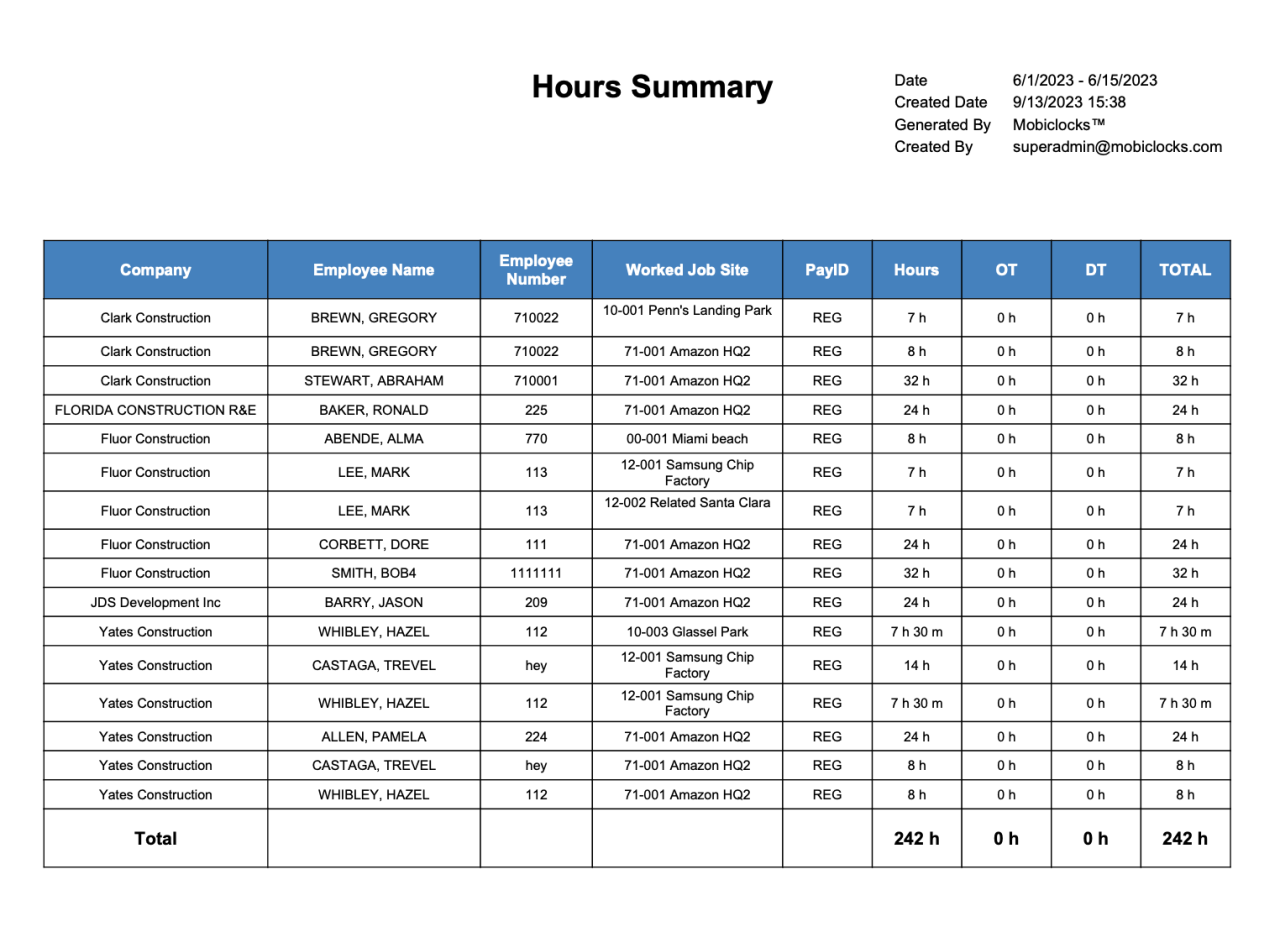
Completing a report within a strict two-hour window demands effective planning that maximizes productivity and minimizes wasted effort. Developing a clear, rapid plan before starting the writing process ensures that each minute is allocated purposefully, leading to a more organized and timely completion. This approach not only reduces stress but also enhances the quality of the final document, even under tight deadlines.A well-structured planning phase involves identifying key objectives, essential data, and the main points to be addressed.
By proactively outlining the report’s framework, you create a roadmap that guides your writing process, allowing you to focus solely on content generation rather than structure. Organizing your tasks into a step-by-step timeline further ensures that each section is completed efficiently, preventing last-minute rushes and overlooked details.
Developing a Rapid Planning Framework
A swift yet comprehensive planning process begins with a quick review of the report’s purpose and target audience. Clarify the core message you need to communicate and the specific outcomes expected from your report. Using this understanding, draft a concise Artikel that segments the report into major sections such as introduction, main findings, analysis, and conclusion. This Artikel acts as a skeleton, guiding your focus and preventing unnecessary detours.Allocate time to each section based on its complexity and importance.
For example, if the report requires detailed data analysis, assign more time to this part, ensuring thoroughness without neglecting other sections. Use a stopwatch or timer to keep these segments within their designated times, fostering discipline and momentum during the writing phase.
Identifying Key Points and Essential Data
Effective report writing hinges on pinpointing the most relevant information that supports your core message. To do this swiftly, leverage existing summaries, executive briefs, or previous reports related to the topic. Highlight or annotate critical facts, figures, and insights that directly impact your conclusions.Prioritize data based on its significance and reliability, focusing on facts that substantiate your main points and provide clarity.
Employ techniques like the “inverted pyramid,” where the most vital information is presented first, followed by supporting details. This ensures that even if time runs out, the essential content remains intact and impactful.
Focus on data that directly influences your report’s objectives, and avoid getting sidetracked by peripheral information.
Organizing a Step-by-Step Timeline
Creating a detailed timetable is crucial for managing limited time effectively. Break down the report into key segments, such as data collection, drafting, editing, and final review. Assign specific time blocks to each task, for instance, 20 minutes for data compilation, 60 minutes for drafting core sections, and 20 minutes for editing and formatting.Adopt the principle of “time-boxing,” dedicating fixed periods for each activity to maintain steady progress.
Incorporate buffer times for unforeseen issues or quick reviews, ensuring that the overall schedule remains intact. Regularly check your progress against the timeline, adjusting priorities as needed to stay on track and prevent last-minute cramming.
Time Management Techniques to Finish Reports in 2 Hours
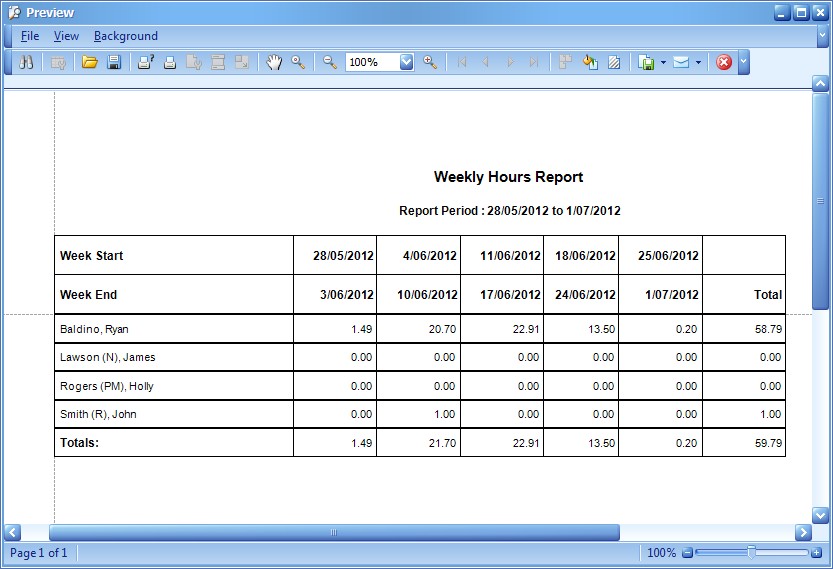
Completing a report within a strict two-hour window requires strategic time management. Implementing effective techniques ensures that every minute is optimized, reducing stress and increasing productivity. By adopting a structured approach, professionals can deliver quality reports promptly without compromising accuracy or detail.
This section explores practical procedures for allocating time to each report component, prioritizing tasks based on their urgency and importance, and utilizing a checklist to monitor progress. These methods collectively empower individuals to meet tight deadlines confidently and efficiently.
Setting Time Blocks for Each Report Component
Dividing the two-hour window into specific time blocks for each stage of report writing maximizes productivity and prevents last-minute rushes. Establishing clear boundaries for planning, researching, drafting, editing, and reviewing ensures balanced effort across all segments.
Begin by allocating approximately 15-20 minutes for initial planning, where key points and structure are Artikeld. Dedicate 40-50 minutes to drafting the main content, focusing on clarity and completeness. Reserve 20-30 minutes for editing and refining, including checking for coherence, grammar, and accuracy. Finally, spend 10-15 minutes on a thorough review to ensure all requirements are met and the report is polished.
Time blocks can be visualized as follows:
| Stage | Time Allocation |
|---|---|
| Planning & Outlining | 15-20 minutes |
| Research & Data Gathering | 10-15 minutes |
| Drafting | 40-50 minutes |
| Editing & Refinement | 20-30 minutes |
| Final Review | 10-15 minutes |
Effective time division prevents bottlenecks, ensuring each report phase is adequately addressed within the limited timeframe.
Prioritizing Tasks Based on Urgency and Importance
Prioritization is crucial when working under time constraints. Focusing on tasks that have the highest impact on the report’s quality and deadline adherence ensures efficiency. Recognizing the difference between urgent and important tasks allows for strategic decision-making during the writing process.
Use the Eisenhower Matrix to categorize tasks into four quadrants: urgent and important, important but not urgent, urgent but not important, and neither urgent nor important. For report writing, critical tasks such as drafting core sections and verifying data should be classified as urgent and important, warranting immediate attention. Tasks like formatting or minor revisions can be scheduled later or delegated if possible.
Prioritization example for a report:
- Address urgent and important: Complete the executive summary and key findings.
- Handle important but less urgent tasks: Finalize references or appendices after core content is completed.
- Defer or delegate non-critical tasks: Formatting and aesthetics can be finalized post-deadline if necessary.
Utilizing a prioritization method ensures critical sections are completed first, reducing the risk of missing essential content under time pressure.
Focusing on high-impact tasks maximizes productivity and ensures that essential report components are completed within the limited timeframe.
Creating a Checklist for Tracking Progress
Maintaining an organized approach during the report writing process involves creating a detailed checklist. This tool enables real-time tracking of completed tasks and upcoming priorities, ensuring steady progress and preventing overlooked components.
Develop a checklist that includes each report element, such as introduction, methodology, analysis, conclusion, references, and formatting. Break down each component into smaller tasks, like drafting paragraphs, inserting data, or checking citations. Mark tasks as completed as you proceed to maintain visibility of progress.
Sample checklist items:
| Task | Status |
|---|---|
| Artikel report structure | [ ] |
| Gather relevant data | [ ] |
| Draft introduction and methodology | [ ] |
| Write analysis sections | [ ] |
| Insert figures and tables | [ ] |
| Review and edit content | [ ] |
| Finalize references and formatting | [ ] |
| Perform final review | [ ] |
Using a checklist promotes accountability, helps identify bottlenecks early, and ensures all report components are addressed systematically within the two-hour window.
Consistent progress tracking through checklists enhances efficiency, leading to timely completion without sacrificing quality.
Tools and Resources to Accelerate Report Writing
Efficient report completion depends significantly on leveraging the right tools and resources that streamline various stages of the writing process. Utilizing specialized software, templates, and quick-reference guides can dramatically reduce the time required to produce comprehensive, accurate reports. These resources not only enhance productivity but also ensure consistency and professionalism in your final output.The right selection and effective use of these tools can help automate formatting, facilitate data analysis, and provide instant access to research materials, making your report-writing process more efficient and less prone to errors.
Below are some of the most valuable tools and resources to incorporate into your workflow for rapid and high-quality report completion.
Software Options for Formatting and Data Analysis
In the context of quick report writing, choosing the appropriate software can make a crucial difference. Many programs are designed specifically to assist with formatting, data analysis, and visualization, saving valuable time that might otherwise be spent on manual formatting or calculations.
- Microsoft Word: Equipped with extensive formatting features, styles, and templates, Word allows for quick document structuring. Its built-in styles enable rapid formatting consistency, while tools like the ‘SmartArt’ and ‘Chart’ features facilitate visual data representation.
- Excel: Ideal for data analysis, calculations, and creating charts. Its advanced functions such as pivot tables, formulas, and data filtering allow for quick summarization of datasets, which can then be embedded into reports seamlessly.
- Google Sheets: A cloud-based alternative to Excel, enabling real-time collaboration and easy sharing. It offers similar functions for data analysis and visualization, with the added benefit of accessible, cloud-based storage.
- Tableau and Power BI: These data visualization tools enable the creation of interactive dashboards and compelling visual reports from complex datasets. They help interpret data swiftly and present insights clearly.
- LaTeX editors (e.g., Overleaf): Ideal for technical reports that require precise formatting of equations and bibliographies. LaTeX automates many formatting tasks, particularly for scientific documents.
Utilizing Templates for Common Report Types
Templates are invaluable assets that significantly cut down on the time spent setting up document structure and formatting. They serve as pre-designed frameworks that you can customize with your specific content, ensuring uniformity and saving effort.Using templates for frequently produced report types—such as progress reports, research summaries, or financial analyses—allows you to bypass the initial setup phase. Many software platforms provide a broad selection of templates, or you can develop your own, tailored to your organization’s standards.
- Pre-designed Word and Google Docs Templates: Include headings, subheadings, tables, and citation formats, enabling quick insertion of content without worrying about layout details.
- Excel and Google Sheets Templates: Offer predefined formulas, data entry points, and visualization charts for specific report types like budgets or data summaries.
- Specialized Templates: For technical reports, project updates, or compliance documentation, templates often include necessary sections, legal disclaimers, and standardized formats, ensuring consistency and professionalism.
Efficient use of templates reduces repetitive formatting tasks, allowing you to focus on content quality and data accuracy, thereby accelerating the report completion process.
Quick-Reference Guides and Research Resources
Access to reliable, quick-reference materials can streamline research and citation efforts, preventing delays that occur when searching for information or verifying sources. These resources support rapid fact-checking, data validation, and citation formatting.
Some essential quick-reference tools include:
- Style Guides: Manuals such as the APA, MLA, or Chicago style guides provide quick access to citation rules, formatting standards, and language usage, which are crucial for maintaining professionalism and avoiding plagiarism.
- Online Databases and Search Engines: Platforms like Google Scholar, PubMed, or specialized industry databases offer fast access to peer-reviewed articles, reports, and statistical data, facilitating immediate research and reference gathering.
- Reference Management Software: Tools like EndNote, Zotero, and Mendeley help organize sources, generate citations and bibliographies instantly, and sync references across devices, saving significant time during the research phase.
- Data Analysis Cheat Sheets and Quick Guides: Resources that summarize Excel shortcuts, common formulas, or data analysis techniques enable faster data manipulation and interpretation, reducing the time needed to prepare visualizations or summaries.
“Having immediate access to trusted, organized resources reduces the time spent on research and ensures citation accuracy, contributing to a more efficient report-writing process.”
Incorporating these tools and resources into your workflow can transform a potentially lengthy report into a streamlined, manageable task completed within a tight timeframe, all while maintaining high standards of quality and accuracy.
Structuring Content Quickly and Effectively
![How to write excellent reports [Webinar recording] - Emphasis](https://ryota.web.id/wp-content/uploads/2025/09/4a015425-a722-4063-9838-592fe39cde17.png "How to write excellent reports [Webinar recording] - Emphasis")
Efficient report writing hinges not only on gathering accurate information but also on organizing that information in a clear and logical manner. Proper structuring allows readers to easily follow your narrative, highlights key findings, and enhances the overall professionalism of the report. Developing a streamlined approach to content organization reduces the time spent deliberating over placement and ensures that each section serves its intended purpose seamlessly.A well-structured report typically comprises core sections such as the introduction, methodology, results, and conclusion.
Each of these components should be distinctly defined and logically ordered to facilitate smooth progression from context setting to final insights. Leveraging visual aids like tables and bullet points can significantly expedite the process of organizing complex data and summarizing key points succinctly. Careful planning of these elements at the outset can lead to substantial time savings during the actual writing phase.
Using Tables for Organizing Key Sections
Tables serve as a powerful tool for organizing and visualizing various components of a report. They enable quick comparison, categorization, and referencing of information, making them invaluable for structuring content efficiently.
| Section | Purpose | Content Example | Tips for Quick Organization |
|---|---|---|---|
| Introduction | Sets the context and states objectives | Brief background, research questions | Draft a concise overview; focus on key points |
| Methodology | Describes procedures and tools used | Data collection methods, analytical techniques | List steps in bullet points; use placeholders for details |
| Results | Highlights findings and data | Tables, charts, summarized data | Insert prepared visual data; summarize key outcomes |
| Conclusion | Summarizes insights and implications | Key findings, recommendations | Write in bullet points for clarity and brevity |
Integrating Bullet Points to Summarize Findings and Procedures
Bullet points are essential for quickly capturing and communicating complex information without overwhelming the reader. They allow for concise summaries of procedures, key findings, and recommendations, making the report more digestible and easier to navigate.Using bullet points effectively involves:
- Focusing on clarity and brevity to ensure each point conveys a complete idea
- Grouping related information together to maintain logical flow
- Using parallel sentence structure for uniformity and readability
- Highlighting critical data or steps to draw attention
For instance, when summarizing procedures in the methodology section, bullet points can delineate each step clearly:
• Collect data from primary sources within two weeks.
• Analyze data using specified statistical tools.
• Validate findings through peer review before finalizing.
In presenting results, bullet points can succinctly encapsulate key insights:
- Over 75% of respondents favored the new process.
- Implementation led to a 20% reduction in processing time.
- Customer satisfaction ratings increased by 15 points.
By employing tables for structured sections and bullets for summaries, report writers can dramatically reduce the time required to organize content, enabling completion within tight deadlines such as two hours. These strategies ensure the report remains coherent, comprehensive, and professionally presented without sacrificing quality.
Techniques for Rapid Data Collection and Analysis
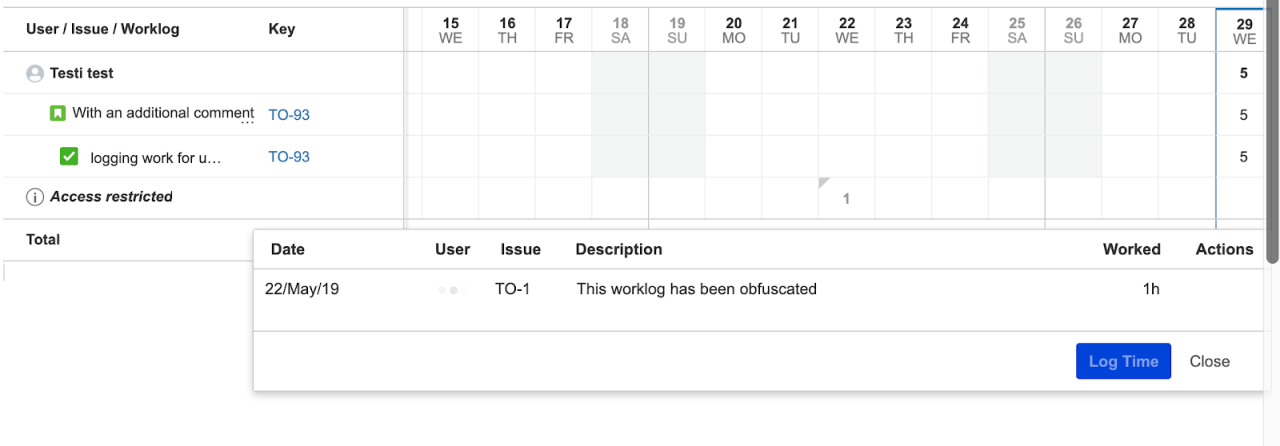
Efficient data collection and analysis are crucial components in completing reports swiftly without compromising accuracy. Mastering these techniques enables professionals to gather relevant information from diverse sources quickly, synthesize data into meaningful insights, and visualize findings effectively. Implementing streamlined procedures can significantly reduce the time spent on data handling, facilitating timely report completion within tight schedules.Effective data collection begins with identifying and prioritizing credible sources.
This involves focusing on authoritative publications, government databases, industry reports, and reputable online platforms. Using targeted search strategies—such as advanced search filters and specific s—helps in retrieving pertinent information swiftly. Additionally, leveraging existing organizational data, such as internal databases and previous reports, can expedite the process by providing reliable baseline information.Once relevant data is gathered, quick synthesis involves distilling complex information into concise, coherent segments suitable for the report’s structure.
This process can be optimized through the use of note-taking templates and summarization techniques. For example, employing the Cornell note-taking method allows for efficient organization of key points, while highlighting critical data ensures quick reference during drafting. Paraphrasing and summarizing large datasets into bullet points or brief paragraphs enhances readability and saves time.Tools that facilitate rapid data visualization and summarization include advanced software and online platforms.
Tableau, Power BI, and Google Data Studio enable users to create dynamic charts, dashboards, and infographics almost instantaneously, transforming raw data into visual insights. Spreadsheets like Microsoft Excel and Google Sheets offer powerful functions for quick data analysis, including pivot tables, conditional formatting, and built-in statistical formulas. These tools not only speed up analysis but also improve clarity, making complex datasets accessible at a glance.Incorporating automated data collection tools, such as web scraping software and API integrations, further accelerates the process by continuously updating data from online sources without manual intervention.
This approach is particularly useful for market research, competitor analysis, and tracking real-time trends, ensuring reports are based on the most current information available.Recognizing the importance of speed and accuracy, adopting these rapid data collection and analysis techniques allows professionals to produce comprehensive reports efficiently. Leveraging the right tools and methods ensures that data-driven insights are incorporated seamlessly, ultimately enhancing the quality and timeliness of the final report.
Writing and Editing Under Pressure
Efficient report completion often involves tight deadlines that require not only rapid writing but also immediate editing. Maintaining focus and ensuring quality in such circumstances can be challenging, yet with the right strategies, it is achievable. This section explores effective techniques to stay on track, edit swiftly without compromising clarity, and ensure your report is polished and coherent within a limited timeframe.Writing under pressure demands a disciplined approach to prevent distractions and optimize concentration.
When facing a strict deadline, external interruptions—such as emails, notifications, or conversations—can significantly hinder progress. Implementing focused work sessions, such as the Pomodoro Technique, can improve concentration by dedicating short, uninterrupted periods to writing. Turning off notifications, closing irrelevant applications, and creating a dedicated, clutter-free workspace further help maintain focus. Prioritizing the most critical sections of the report ensures that essential content is completed first, reducing the stress of perfectionism over less important details.Quick editing and proofreading are vital to meet tight deadlines.
The goal is to enhance clarity and catch errors efficiently, without reworking large portions of text. Approaches include reading the report aloud, which helps identify awkward phrasing and grammatical mistakes, and utilizing digital tools like grammar checkers to spot common errors rapidly. Focusing on key elements—such as coherence, logical flow, and accuracy of data—before fine-tuning language can save valuable time.
Remember, in time-constrained scenarios, it is better to have a clear, well-structured draft than an over-polished but incomplete report.To ensure clarity and coherence within a short period, adopting a systematic review process is essential. Start by verifying that each section aligns with the main objectives and that transitions between sections are smooth. Use checklists that focus on common issues such as consistency in terminology, logical sequencing, and completeness of data.
Additionally, reading the report backward—sentence by sentence—can help identify errors that might be overlooked during normal reading, making editing more effective and efficient. Prioritize fixing major issues first, then address minor grammatical or stylistic adjustments if time permits.
Final Thoughts
In summary, completing reports in two hours is an attainable goal when you adopt strategic planning, leverage the right tools, and maintain disciplined time management. Implementing these techniques will not only save you time but also improve the overall quality of your reports, making you more efficient and confident in your writing capabilities. With practice and the right approach, rapid report completion becomes a seamless part of your workflow.