Mastering the art of completing three key priorities each day is essential for achieving consistent productivity and personal growth. By focusing on impactful tasks, individuals can effectively manage their time and resources, ensuring that their efforts yield meaningful results.
This guide explores practical strategies for identifying, prioritizing, and executing your top three daily tasks. From planning and scheduling to overcoming common obstacles, you’ll learn how to develop a sustainable routine that keeps you motivated and on track toward your goals.
Identifying Your Top Three Priorities Daily
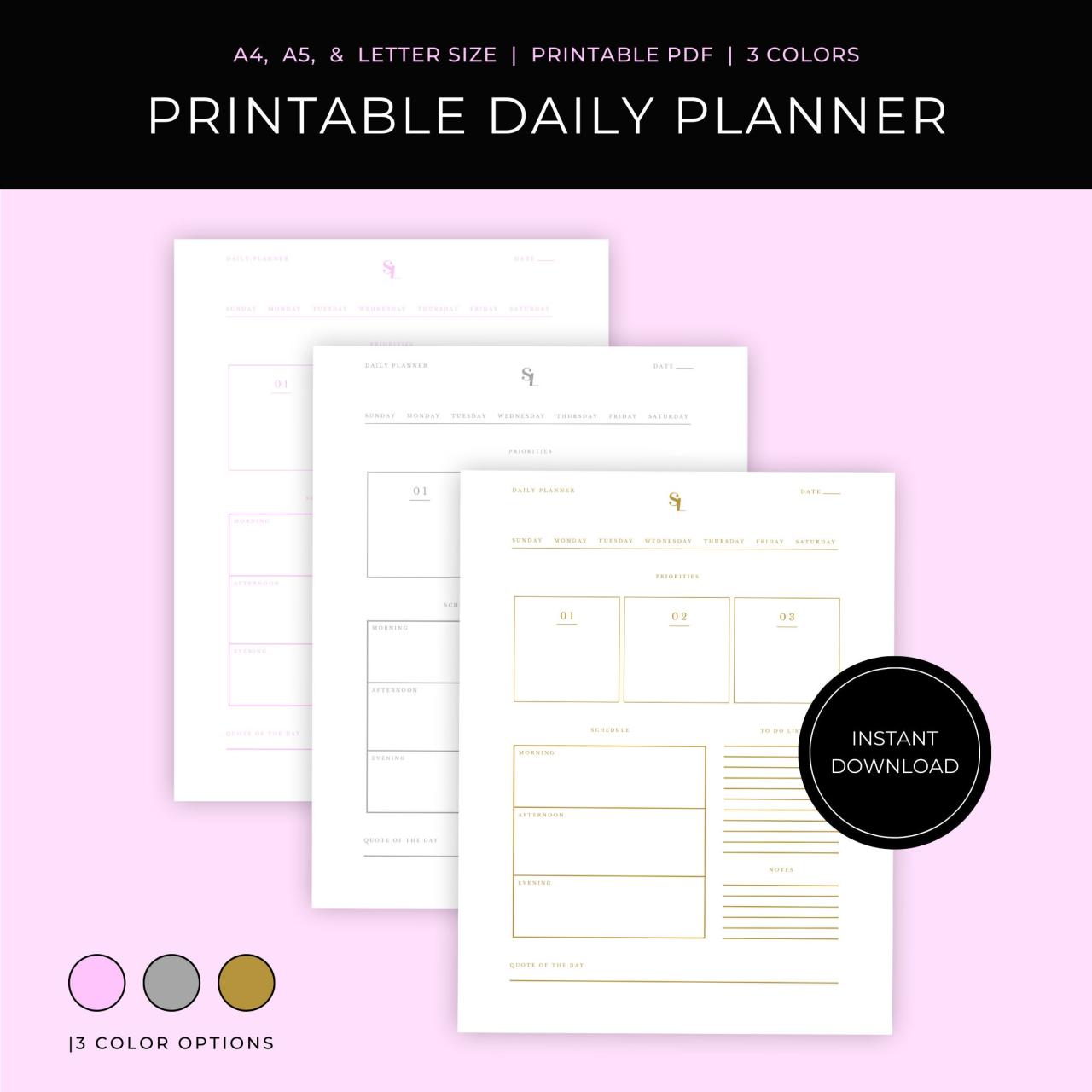
Prioritizing effectively each day is crucial for achieving consistent productivity and ensuring that the most impactful tasks receive the attention they deserve. Recognizing your top three priorities allows you to focus your energy on activities that align with your core goals, reduce overwhelm, and create a clear roadmap for your daily accomplishments. This process involves evaluating tasks based on their significance and urgency, ensuring your efforts contribute meaningfully to your overarching objectives.
Determining your daily priorities requires a systematic approach that balances importance and immediacy. By adopting a structured method, you minimize distractions and make deliberate choices that maximize your daily output. This tailored process helps in distinguishing between tasks that are critical versus those that are merely urgent or less impactful, supporting better decision-making and time management.
Determining the Most Impactful Tasks for Each Day
To effectively identify impactful tasks, begin by reviewing your overarching goals and breaking them down into actionable items. Prioritize tasks that directly contribute to these goals, especially those with high impact and strategic value. Daily review sessions, preferably at the start or end of the day, help in aligning your tasks with your priorities, enabling you to focus on what truly matters.
Key principle: Focus on tasks that provide the highest value and move you closer to your major objectives.
When selecting daily priorities, consider factors such as deadlines, potential consequences of delay, and the effort required versus the benefits gained. Making choices based on these criteria ensures your attention is directed toward tasks that create the most significant progress, rather than merely reacting to urgent but less impactful activities.
Step-by-Step Method to Categorize Daily Priorities Effectively
Implementing a step-by-step approach streamlines the process of setting daily priorities, fostering consistency and clarity in your workflow. The following method combines evaluation, ranking, and reflection to help you identify the three most important tasks each day:
- List all tasks and commitments: Start by writing down everything you need to accomplish, including meetings, project deadlines, and personal errands.
- Assess importance and urgency: Assign each task a rating or category based on its significance to your goals and urgency level. Use tools like the Eisenhower Matrix to differentiate between urgent & important, important but not urgent, urgent but not important, and neither.
- Prioritize tasks: Select the top three tasks that fall into the highest impact and urgency categories. Consider how each task aligns with your long-term objectives and current commitments.
- Schedule and allocate time: Dedicate specific time blocks to these priorities, ensuring they are completed early in the day to build momentum.
- Review and adjust daily: At the end of each day, evaluate the completion of your priorities, and adjust the next day’s tasks accordingly, maintaining flexibility and focus.
Comparison of Priority-Setting Techniques
Different methods provide varied perspectives and tools for setting priorities. Comparing these techniques helps in selecting the most suitable approach for your workflow and personality.
| Technique | Description | Strengths | Ideal For |
|---|---|---|---|
| Eisenhower Matrix | Divides tasks into four quadrants based on urgency and importance, aiding in quick prioritization. | Clear visual distinction; promotes focus on high-impact tasks. | People managing large volumes of tasks needing quick categorization. |
| ABCDE Method | Assigns a letter to each task, with ‘A’ being the highest priority and ‘E’ the lowest, guiding daily focus. | Simple and effective for daily task ranking. | Individuals who prefer straightforward prioritization tools. |
| MITs (Most Important Tasks) | Focuses on identifying a few critical tasks that must be completed each day. | Encourages deep work on crucial activities; reduces overwhelm. | Those aiming for high productivity with limited time. |
| Pomodoro Technique | Breaks work into focused intervals (typically 25 minutes), emphasizing task completion within set periods. | Enhances concentration; suitable for managing distractions. | People working on tasks that require sustained focus and time management. |
Choosing the right priority-setting method depends on individual preferences, task complexity, and context. Combining elements from multiple techniques can also yield a customized approach that maximizes daily productivity and clarity.
Strategies to Focus on Your Priorities
Maintaining focus on your daily priorities is essential for productivity and achieving meaningful progress. Implementing effective strategies helps you minimize distractions, allocate your time efficiently, and stay committed to what truly matters. These approaches not only enhance your ability to complete critical tasks but also reduce stress associated with multitasking and scattered attention.Achieving sustained concentration requires deliberate techniques that foster a disciplined work environment.
By adopting proven methods, you can create a mental space conducive to deep work, ensuring that your top priorities receive the attention they deserve. Employing appropriate tools and establishing clear boundaries are vital components of a focused daily routine.
Blocking Time and Eliminating Distractions
Effective prioritization begins with dedicated time blocks that safeguard your most important tasks from interruptions. Scheduling specific periods for high-priority activities helps create a structured routine, making it less likely that other commitments or distractions will encroach upon these times. During these blocks, it is crucial to turn off non-essential notifications, close unrelated tabs or applications, and communicate your unavailability to colleagues or family members to prevent disruptions.Eliminating distractions involves creating an environment that minimizes interruptions.
This can be achieved by setting up a quiet workspace, using noise-canceling headphones, or utilizing physical cues that signal when you are focusing on important work. Additionally, establishing boundaries for social media and email checking—such as designated times—helps prevent these activities from interrupting your flow.
Techniques to Maintain Concentration and Avoid Multitasking
Maintaining focus on priority tasks requires conscious effort to avoid multitasking, which often reduces efficiency and quality of work. Techniques such as the Pomodoro Technique—working in focused intervals of 25 minutes followed by short breaks—encourage sustained attention and prevent burnout. Setting clear goals for each work session enhances motivation and provides a sense of accomplishment.Practicing mindfulness and deep work principles helps improve concentration by training the mind to stay present with the task at hand.
Regularly reviewing your progress and adjusting your approach ensures you remain aligned with your priorities. Breaking complex tasks into smaller, manageable steps reduces overwhelm and facilitates steady progress without the temptation to switch between multiple activities.
Tools and Apps that Aid Focus on Daily Priorities
Utilizing technology can significantly improve your ability to stay focused and organized. Below are some tools and applications designed to streamline your task management and minimize distractions:
- Todoist: A powerful task management app that allows you to organize priorities, set deadlines, and create recurring tasks. Its intuitive interface helps keep your daily priorities visible and manageable.
- Focus@Will: A music service that provides scientifically optimized tracks to enhance concentration during focused work sessions.
- Forest: An app that encourages sustained attention by growing virtual trees during focused periods. If you leave the app, the tree dies, motivating you to stay on task.
- Freedom: A website and app blocker that helps eliminate digital distractions by restricting access to social media, news sites, or other non-essential content during designated focus times.
- RescueTime: A time-tracking tool that provides insights into how you spend your day, helping identify time-wasting activities and adjust your focus accordingly.
- Be Focused: A Pomodoro timer app that allows you to set work and break intervals, fostering disciplined focus sessions aligned with your priorities.
Implementing these tools in tandem with disciplined work habits can significantly enhance your ability to concentrate and complete your top priorities consistently each day.
Planning and Scheduling for Priority Completion

Optimized planning and scheduling are essential components of effective time management, especially when focusing on your top three priorities each day. Developing a structured daily schedule helps ensure that these priorities are addressed systematically, reducing the risk of distraction and procrastination. A well-crafted schedule fosters a sense of control and clarity, enabling you to allocate your energy and resources efficiently throughout the day.Creating an effective daily schedule involves balancing commitment to your priorities with the flexibility needed to adapt to unforeseen circumstances.
It requires thoughtful consideration of your natural productivity peaks and troughs, designated time blocks dedicated to each priority, and an awareness of potential interruptions. Integrating buffer periods and flexible time slots allows you to handle unexpected tasks or extend time for high-priority activities without disrupting your overall plan.
Designing an Optimized Daily Planner
To effectively implement your priorities into daily routines, designing an example planner with clear time blocks enhances focus and accountability. A structured planner not only visualizes your day but also reinforces your commitment to completing your top priorities.Below is a simplified example of a daily planner structured around three priorities, using HTML table tags to illustrate how time is allocated:
Time Slot Priority 1 Priority 2 Priority 3 Additional Tasks / Breaks 8:00 AM – 9:30 AM Focused work on Priority 1 Morning coffee / Stretch 9:30 AM – 11:00 AM Deep work on Priority 2 Short break / Review tasks 11:00 AM – 12:30 PM Development on Priority 3 Lunch break 1:30 PM – 3:00 PM Wrap-up tasks for Priority 1 Client meetings / Correspondence 3:00 PM – 4:00 PM Buffer period for unforeseen tasks or extensions 4:00 PM – 5:00 PM Review and plan for next day Final check-in / Relaxation
This planner emphasizes dedicated blocks for each priority, with sufficient gaps to accommodate transitions and mental resets. Prioritizing tasks within these blocks ensures that your most critical activities receive the necessary attention early in the day, when energy levels are typically higher.
Integrating Flexibility and Buffer Periods
A fundamental aspect of effective scheduling is the incorporation of flexibility and buffer periods. Rigid schedules can increase stress and diminish productivity if unexpected tasks or delays occur. Therefore, it is vital to design your schedule with built-in buffers that allow for adjustments without compromising your overall objectives.Buffer periods can be strategically placed between major time blocks or allocated as flexible windows at the start or end of your workday.
For example, a 15-30 minute buffer between high-focus sessions provides an opportunity to address urgent matters, review progress, or simply rejuvenate. Additionally, reserving part of your late afternoon for unanticipated tasks ensures that unplanned work does not derail your entire schedule.In practice, this might mean scheduling a 30-minute buffer after completing the most demanding priority, which can be used for additional research, catching up on email correspondence, or taking a brief walk.
Such flexibility not only enhances your adaptability but also reduces stress, making it easier to stay committed to your priorities over the long term.By thoughtfully combining structured time blocks with adaptable buffer periods, your daily schedule becomes a dynamic tool that supports consistent progress toward your top three priorities while maintaining resilience against daily disruptions.
Overcoming Common Barriers to Finishing Priorities

Successfully completing daily priorities often encounters obstacles that can hinder progress and reduce productivity. Recognizing these barriers is essential to develop effective strategies that ensure you stay on track and accomplish what matters most each day. Addressing common challenges proactively can significantly enhance your ability to maintain focus and complete your top priorities efficiently.
Many individuals face typical hurdles such as procrastination, unexpected interruptions, and mental fatigue. These barriers can derail even the most well-planned schedules if not addressed properly. By understanding the nature of these obstacles and implementing targeted action steps, you can mitigate their impact and foster a more disciplined and productive work routine.
Identifying and Addressing Common Barriers
Understanding the specific obstacles that tend to hinder your progress is the first step toward overcoming them. Procrastination often stems from fear of failure, perfectionism, or feeling overwhelmed by tasks. Unexpected interruptions might include urgent emails, phone calls, or workplace distractions, while mental fatigue can result from burnout or insufficient rest. Acknowledging these barriers allows you to tailor solutions that are practical and effective.
Action steps to overcome these barriers include setting clear boundaries for work periods, creating a distraction-free environment, and scheduling regular breaks to recharge mental energy. It is also beneficial to break larger tasks into smaller, manageable chunks to reduce feelings of overwhelm and build momentum. Developing a mindset of flexibility and resilience helps to adapt when unforeseen interruptions occur, ensuring your priorities remain achievable despite obstacles.
Practical Tips to Stay on Track
Maintaining focus requires deliberate effort and strategic routines. Here are practical tips to help you stay aligned with your priorities, even when faced with difficulties:
- Set specific time blocks: Allocate dedicated periods in your day solely for high-priority tasks, minimizing the chance of distractions.
- Prioritize tasks within your priority list: Focus first on the most critical components, ensuring essential objectives are met regardless of other interruptions.
- Limit multitasking: Concentrate on one priority at a time to enhance quality and reduce errors.
- Use technology wisely: Utilize apps or tools that block distracting websites or manage notifications during focused work sessions.
- Prepare for interruptions: Have a plan to quickly address or defer unexpected disruptions without losing sight of your main priorities.
- Practice self-care: Ensure adequate sleep, nutrition, and breaks to maintain mental clarity and resilience throughout your workday.
- Reflect and adapt: At the end of each day, review what barriers arose and how effectively you managed them, adjusting strategies as necessary.
Implementing these strategies consistently can help you build a resilient mindset that effectively navigates common barriers, ensuring your top priorities are completed reliably each day.
Tracking Progress and Adjusting Priorities

Maintaining clarity on progress towards your daily priorities is essential for sustained productivity and goal achievement. Regularly monitoring how tasks are completed provides critical insights into what strategies are effective and where adjustments are necessary. This continuous process ensures that your focus remains aligned with your overarching objectives, allowing for flexibility and responsiveness in your daily planning.Effective tracking involves systematically recording the status of each priority, reflecting on the time invested, and noting any obstacles encountered.
By doing so, you can identify patterns that may hinder progress, recognize areas where efficiency can be improved, and make informed decisions to reallocate resources or change approaches. Over time, this practice fosters greater accountability and enhances your ability to adapt your daily priorities to evolving circumstances.
Methods to Monitor Completion of Daily Priorities
To ensure consistent progress, employ a variety of tracking methods that suit your workflow and preferences. Digital tools such as task management apps (e.g., Asana, Todoist) allow for real-time updates and notifications. Alternatively, manual methods like daily journals or printable checklists can be highly effective, especially for those who prefer tangible records. Whichever method you choose, ensure it provides the following benefits:
- Clear visibility of task status (not started, in progress, completed)
- Time tracking to understand how long each task takes
- Notes on challenges or delays encountered
Implementing a simple, consistent review process—such as an end-of-day reflection—can significantly improve your ability to monitor ongoing progress and prepare for subsequent days.
Reviewing and Adjusting Priorities Based on Daily Outcomes
Regular reflection on daily outcomes is vital for maintaining realistic and achievable priorities. After completing your tasks for the day, review your tracking records, focusing on both successes and setbacks. This review process enables you to evaluate whether your initial priorities were appropriate, if tasks were completed efficiently, and whether any unforeseen obstacles impacted your progress.Based on these insights, adjust your priorities by reprioritizing tasks that require immediate attention or shifting less critical activities to future days.
This dynamic approach prevents stagnation and ensures your efforts remain aligned with your ultimate goals. For example, if a particular task consistently takes longer than expected, you might allocate more time or break it into smaller, manageable segments.
“Effective progress tracking creates a feedback loop that informs smarter planning and execution, ultimately enhancing productivity and goal attainment.”
Example Progress Tracking Table
To facilitate systematic tracking, utilize a table that captures essential details about each task. An example format is as follows:
| Task | Status | Time Spent | Notes |
|---|---|---|---|
| Respond to client emails | Completed | 30 minutes | Prioritized urgent responses early in the day |
| Prepare project report | In Progress | 1 hour | Need additional data from finance department |
| Team meeting | Not Started | — | Scheduled for 3 PM |
| Follow up on vendor inquiries | Completed | 20 minutes | All responses sent; awaiting feedback |
This structured approach provides a quick overview of progress, highlights areas needing attention, and supports timely adjustments. By consistently applying tracking methods and reviewing outcomes, you strengthen your capacity to adapt your daily priorities effectively, ensuring continual improvement and successful goal achievement.
Developing a Consistent Daily Habit for Finishing Priorities
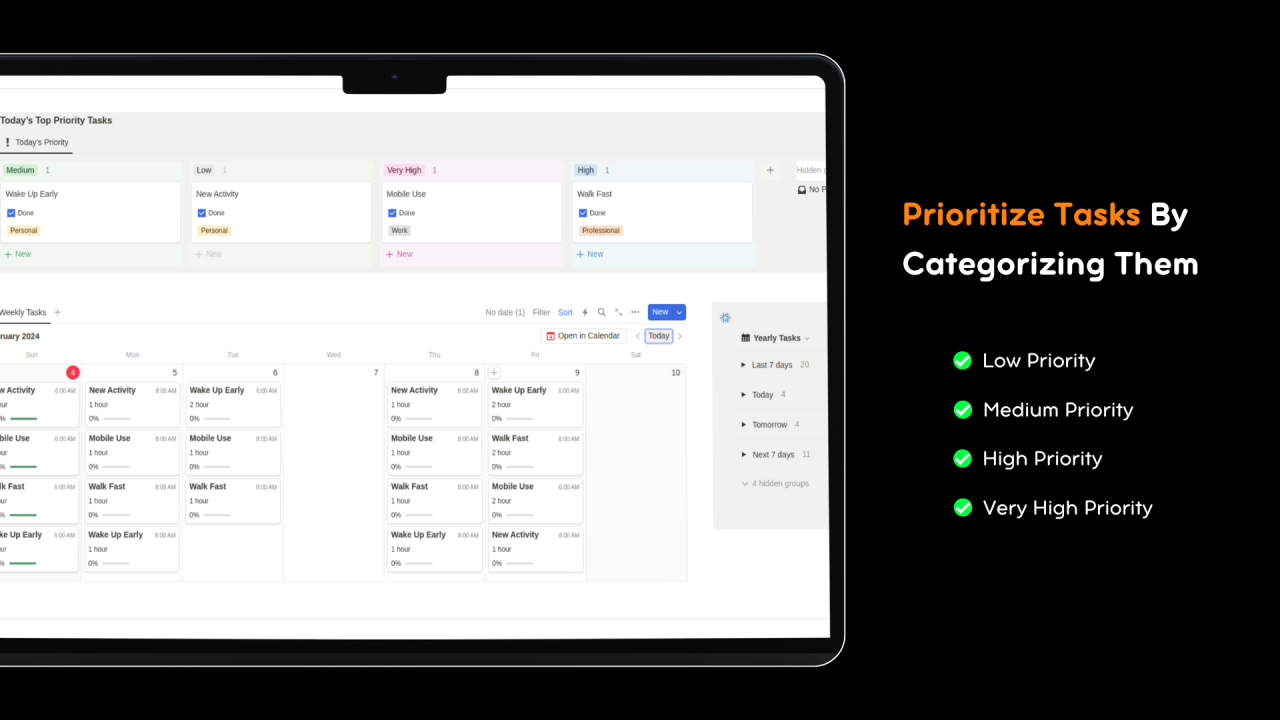
Establishing a reliable routine for completing your top three priorities each day is crucial for sustained productivity and goal achievement. A well-formed habit transforms intentional effort into automatic behavior, reducing decision fatigue and increasing the likelihood of consistent success. Creating such a routine requires deliberate planning and commitment, but the benefits extend beyond mere task completion—they foster discipline, confidence, and a sense of accomplishment that motivates ongoing progress.Consistency in daily habits ensures that prioritized tasks become ingrained in your schedule, making it easier to stay focused despite distractions or unforeseen challenges.
Over time, this regular practice can lead to a significant boost in your ability to manage responsibilities efficiently and meet your overarching goals with greater ease.
Techniques to Build a Routine Emphasizing Completing Three Key Tasks
Building an effective daily routine centered on finishing three key priorities involves deliberate strategies that ingrain the habit into your daily life. Start by designing a clear, specific plan that identifies the optimal time of day when your energy and focus are highest—such as morning hours or post-lunch periods. Incorporate the following techniques:
- Start Small and Scale Gradually: Begin with just one or two priorities, establishing the habit before adding more. Gradually increase the number as the routine becomes second nature.
- Set Clear, Achievable Goals for Each Day: Define precise tasks that can realistically be completed within your chosen time frame, avoiding overwhelming yourself.
- Use Rituals and Cues: Associate specific cues, such as a dedicated workspace, a morning coffee, or a particular playlist, with your priority-focused work sessions to reinforce the habit.
- Implement Time Blocking: Allocate dedicated time slots for your top three priorities, ensuring they receive undistracted attention.
- Practice Mindfulness and Reflection: Begin or end your day with a brief review of what was accomplished, reinforcing positive behavior and adjusting as needed.
The Role of Accountability Partners and Journaling in Habit Formation
Accountability significantly boosts the likelihood of maintaining a consistent habit. Engaging an accountability partner—such as a colleague, coach, or friend—provides external motivation and support, creating a sense of responsibility. Sharing your daily priorities and progress with someone else encourages commitment and offers encouragement during setbacks.Journaling complements accountability by promoting self-awareness and reflection. Recording your daily achievements, challenges, and lessons learned helps reinforce your commitment to finishing priorities.
It also allows you to track patterns, recognize obstacles early, and celebrate successes, which collectively foster a sense of progress and motivate continued effort.
“Consistency is the foundation of mastery; accountability and journaling provide the scaffolding that supports sustainable habits.”
Habits that Reinforce Daily Priority Completion
To solidify your routine and ensure daily success, cultivate habits that reinforce your commitment to completing your top three priorities:
- Prioritize the Night Before: Prepare your task list and set intentions for the next day before going to sleep, creating clarity and readiness upon waking.
- Limit Distractions: Remove or minimize interruptions by turning off notifications, setting boundaries with colleagues or family, and creating a focused workspace.
- Use Visual Reminders: Place cues such as sticky notes, calendars, or digital alerts in visible locations to remind you of your priorities.
- Reward Progress: Celebrate the completion of your priorities with small rewards or breaks, reinforcing positive behavior.
- Develop a Morning Routine: Start each day with a consistent set of activities—such as meditation, reviewing your priorities, or exercise—that mentally prepare you to focus on your tasks.
Fostering these habits will help make finishing your top three priorities a seamless part of your daily routine, ultimately transforming effort into consistent achievement.
Motivational Strategies to Maintain Focus
Maintaining consistent motivation to complete daily priorities is essential for sustained productivity and personal growth. Even with effective planning and scheduling, staying motivated helps ensure that tasks are not only started but also finished with quality and enthusiasm. Implementing practical motivational strategies can transform daily routines into empowering and fulfilling experiences, keeping energy levels high and focus sharp throughout the day.Effective motivation involves a combination of external cues and internal reinforcement that continuously remind you of your goals and the benefits of completing your priorities.
These strategies serve as psychological anchors that reinforce commitment, foster positive habits, and combat procrastination. By integrating these methods into your daily routine, you can create a resilient mindset that keeps you motivated regardless of obstacles or fatigue.
Visual Cues and Affirmations
Visual cues and affirmations are powerful tools for reinforcing your commitment to daily priorities. Visual cues include placing meaningful reminders in your workspace, such as sticky notes with motivational quotes, visual progress charts, or images representing your goals. These cues serve as constant, subconscious prompts that remind you of your intentions and progress, helping to sustain focus throughout the day.Affirmations are positive, present-tense statements that reinforce your belief in your ability to complete tasks.
Repeating affirmations like “I am capable of finishing my priorities today” or “Every step I take leads me closer to my goals” can boost confidence and reduce self-doubt. Writing these affirmations on sticky notes or setting them as phone notifications ensures they are seen regularly, serving as mental anchors during challenging moments.
Reward System and Celebrations
Implementing a reward system encourages consistent effort by pairing task completion with positive reinforcement. Rewards can be small, immediate incentives such as a short break, a favorite snack, or a moment of relaxation after completing a priority. Larger rewards, like a special outing or purchasing a desired item, can be reserved for achieving more significant milestones or consistent productivity over a week.Celebrating even minor achievements helps to build momentum and reinforces the habit of completing priorities.
Recognizing progress through a reward system activates the brain’s reward pathways, releasing dopamine that fosters motivation and a sense of accomplishment. This cyclical reinforcement makes it easier to stay committed to daily priorities over the long term, transforming effort into a rewarding experience.
Designing Motivational Reminders
Designing effective motivational reminders involves creating personalized cues that resonate emotionally and psychologically. These reminders should be visually appealing, concise, and aligned with your goals. For example, you might craft a reminder that includes an inspiring quote, a picture of a role model, or a visual representation of your desired outcome. Placing these reminders strategically where you spend most of your time—such as your workspace, digital devices, or personal journal—ensures they are encountered frequently.Use bold fonts, vibrant colors, and clear symbols to make reminders stand out and catch your attention easily.
Incorporate a variety of formats—such as sticky notes, digital alerts, or even short audio clips—to keep the reminders fresh and engaging. The key is to make these cues emotionally compelling so that they evoke a sense of purpose and urgency, motivating you to take consistent action toward finishing your priorities every day.
Last Word
In conclusion, consistently finishing three priorities daily requires clear planning, focused execution, and adaptability. Implementing these strategies not only enhances productivity but also cultivates a disciplined mindset. Embrace these methods to turn daily priorities into long-term achievements and unlock your full potential.