Understanding how to plan quarterly goals is essential for achieving both personal and professional growth. Setting clear, strategic objectives for each quarter allows individuals and organizations to stay focused, measure progress effectively, and align efforts with long-term ambitions. Proper planning not only enhances productivity but also fosters a sense of purpose and direction, ensuring sustained success over time.
This guide explores practical steps for designing actionable quarterly goals, utilizing SMART criteria, prioritizing focus areas, creating detailed action plans, and leveraging the right tools for tracking progress. By adopting these strategies, you can optimize your goal-setting process and stay motivated throughout each quarter.
Understanding the Importance of Quarterly Goals

Setting quarterly goals is a strategic practice that plays a vital role in both personal development and organizational success. These short-term objectives serve as milestones that guide efforts, measure progress, and foster accountability. By focusing on manageable segments of a larger vision, individuals and teams can maintain motivation and adapt swiftly to changing circumstances.
Effective quarterly goal-setting bridges the gap between long-term ambitions and immediate actions. It ensures alignment across departments or personal priorities, enabling cohesive progress towards overarching objectives. Across various industries—ranging from technology startups to healthcare institutions—adopting quarterly goals has proven instrumental in driving innovation, improving efficiency, and achieving measurable results.
Significance of Setting Quarterly Goals
Quarterly goals foster a disciplined approach to planning and execution, encouraging consistent review and adjustment of strategies. They help prevent stagnation by breaking down complex projects into tangible, time-bound tasks. This periodic review process not only enhances focus but also boosts motivation, as individuals and teams can celebrate small wins along the way.
Furthermore, quarterly goals enhance organizational agility. Companies can respond more quickly to market changes or internal challenges by assessing progress every three months. This adaptability often results in improved customer satisfaction, increased revenue, and sustained competitive advantage.
Contribution to Long-term Success and Organizational Alignment
Clear quarterly objectives act as building blocks towards achieving long-term visions. They ensure that every team or individual effort contributes directly to strategic goals, promoting coherence and unity. Regular checkpoints facilitate feedback and recalibration, reducing the risk of diverging from core objectives.
Incorporating quarterly goals into the planning cycle allows organizations to allocate resources more effectively, prioritize initiatives, and foster a results-oriented culture. For example, a software development firm may set quarterly milestones focused on feature releases, customer feedback integration, and performance enhancements, aligning these efforts with annual revenue targets and customer retention strategies.
Examples of Effective Quarterly Goal-Setting Practices
Across different sectors, successful organizations employ specific practices to maximize the benefits of quarterly goal-setting:
- Technology Industry: Tech companies often set quarterly product development targets, emphasizing rapid iteration and customer feedback. For instance, a startup might aim to launch a minimum viable product (MVP) within the first quarter, followed by user acquisition and feature expansion in subsequent quarters.
- Healthcare: Hospitals and clinics establish quarterly goals around patient satisfaction scores, process improvements, and staff training. These focus areas lead to tangible outcomes such as reduced wait times and enhanced patient experiences.
- Retail: Retail chains plan quarterly sales targets, inventory management objectives, and marketing campaigns. For example, a retailer might aim to increase online sales by 15% in the first quarter through targeted advertising and website enhancements.
“Quarterly goals enable organizations to stay agile, measure progress accurately, and align efforts with strategic priorities, fostering sustainable growth and success.”
Steps to Effectively Plan Quarterly Goals

Developing well-structured quarterly goals is essential for translating overarching annual objectives into manageable, actionable steps. This process ensures clarity, focus, and measurable progress, enabling organizations and individuals to stay aligned with their strategic vision. The following steps provide a systematic approach to setting impactful quarterly goals that drive continuous growth and success.
Effective planning involves a blend of strategic prioritization and detailed breakdown of objectives. By clearly identifying key areas of focus, establishing specific targets, and monitoring progress regularly, teams can optimize their efforts and adapt swiftly to changing circumstances. Incorporating a structured process not only enhances accountability but also fosters a culture of achievement and resilience.
Identify Key Priorities for the Upcoming Quarter
Prioritization begins with a comprehensive review of the organization’s or individual’s long-term strategic plan. This review helps to pinpoint critical initiatives that will have the most significant impact over the quarter. Consider factors such as resource availability, market trends, and recent performance data to determine what must be addressed immediately versus what can be deferred. Engaging key stakeholders in this process ensures that priorities are realistic, aligned, and supported across teams.
- Review annual goals and strategic objectives to understand the broader context.
- Gather input from relevant teams or departments to identify operational or market challenges and opportunities.
- Evaluate current progress to identify gaps or areas requiring intensified focus.
- Distill this information into a concise list of 3-5 key priorities that will steer your quarter’s efforts.
Break Down Annual Objectives into Quarterly Targets
Transforming annual goals into actionable quarterly targets requires a systematic decomposition process. This ensures that each quarter contributes meaningfully to the annual achievement, with clear milestones and deliverables. The process involves analyzing each goal to identify specific, measurable components that can be accomplished within three months, making adjustments based on resource constraints and organizational capacity.
- Map each annual objective to smaller, quarterly deliverables that contribute directly toward the larger goal.
- Ensure that each quarterly target adheres to the SMART criteria: Specific, Measurable, Achievable, Relevant, and Time-bound.
- Assign responsibilities and resources necessary to accomplish each target, fostering accountability.
- Set interim milestones within the quarter to facilitate ongoing assessment and course correction.
Track Progress Using a Quarterly Goals Template
Consistent tracking of progress ensures that goals remain aligned and achievable. An effective tracking template provides visibility into ongoing efforts, highlights upcoming deadlines, and identifies potential bottlenecks early. This promotes proactive management and enables quick adjustments to stay on course.
| Goal | Action Steps | Deadline | Status |
|---|---|---|---|
| Increase quarterly sales by 15% |
|
March 31, 2024 | In Progress |
| Improve customer satisfaction scores |
|
March 15, 2024 | On Track |
| Develop and launch a new product feature |
|
February 28, 2024 | Not Started |
Setting SMART Goals for the Quarter
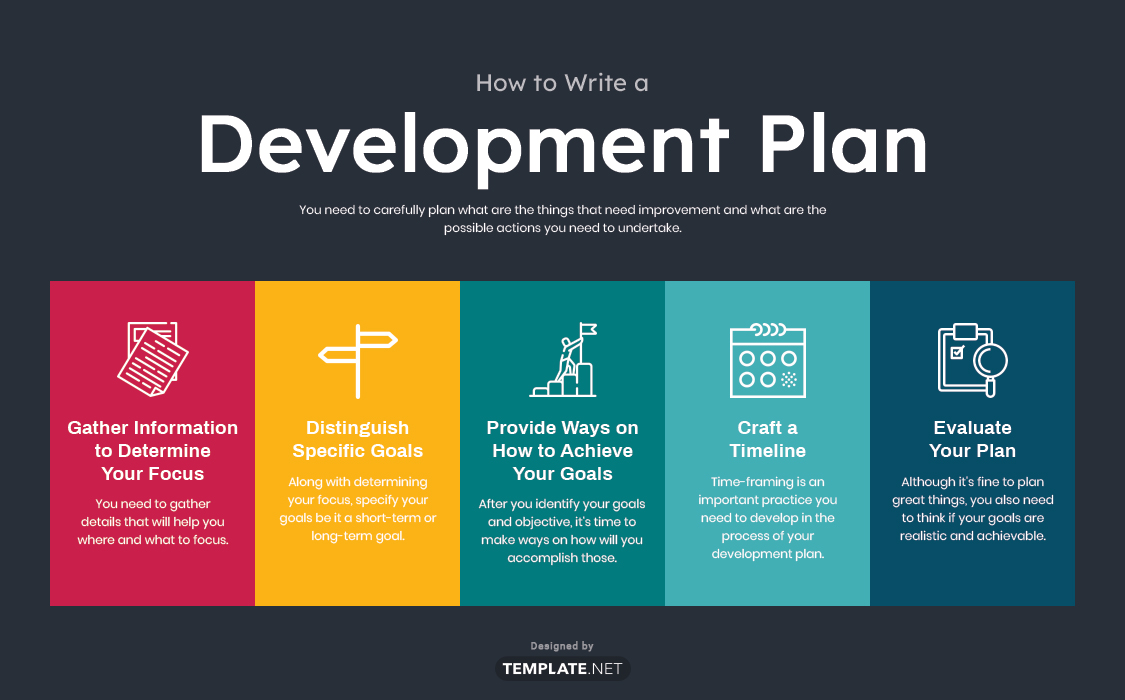
Establishing clear and effective goals is fundamental to driving progress and ensuring success within a defined timeframe. When these goals are aligned with the SMART criteria—Specific, Measurable, Achievable, Relevant, and Time-bound—they become more focused and attainable. This approach not only enhances motivation but also provides a concrete roadmap to evaluate progress and make necessary adjustments throughout the quarter.Formulating SMART goals involves a deliberate process of refining objectives to meet these five criteria, thereby reducing ambiguity and increasing accountability.
It encourages thoughtful planning, realistic assessment of resources, and alignment with broader personal or organizational aspirations. Implementing SMART goals ensures that efforts are directed effectively, fostering sustained momentum and meaningful accomplishments.
Defining SMART Criteria and Developing Effective Goals
Understanding each component of the SMART framework is essential for crafting potent goals that resonate with your priorities and capabilities. Here is a detailed overview:
- Specific: Clearly articulate what you intend to achieve. Vague goals lack direction and can hinder progress. The goal should specify the desired outcome, the who, what, where, when, and why involved.
- Measurable: Establish criteria to track progress and determine when the goal has been accomplished. Quantifiable indicators enable ongoing assessment and motivation.
- Achievable: Set realistic objectives considering available resources, skills, and constraints. Goals that are too ambitious may lead to frustration, while overly easy targets can diminish motivation.
- Relevant: Ensure the goal aligns with broader personal or organizational aims. Relevant goals are meaningful and contribute substantially to overall success.
- Time-bound: Assign a specific deadline or timeframe for achievement. Time constraints foster focus and urgency, while providing a clear point for review and reflection.
For example, a career-oriented SMART goal might be:
“Complete a professional certification course in digital marketing within three months to enhance my skills and qualify for a managerial position.”
In health, a SMART goal could be:
“Lose 10 pounds in 12 weeks by exercising three times a week and following a balanced diet.”
For financial objectives, an example is:
“Save $5,000 for an emergency fund by the end of the quarter through monthly automatic transfers of $1,667.”
These examples demonstrate how each goal is tailored to specific areas, yet adheres to the SMART principles for clarity and achievability.
Prior to finalizing goals, it is crucial to evaluate their feasibility by considering current resources, potential obstacles, and realistic timelines. This ensures that goals are not only aspirational but also practical, increasing the likelihood of successful accomplishment. Regularly reviewing and adjusting goals as circumstances evolve further enhances progress and maintains motivation throughout the quarter.
Monitoring and Adjusting Goals
![48 Professional Project Plan Templates [Excel, Word, PDF] ᐅ TemplateLab](https://ryota.web.id/wp-content/uploads/2025/09/project-planning-template-36.jpg "48 Professional Project Plan Templates [Excel, Word, PDF] ᐅ TemplateLab")
Effective monitoring and adjustment of quarterly goals are essential for maintaining momentum and ensuring success. Continual review allows teams and individuals to stay aligned with their objectives, identify issues early, and adapt strategies to overcome unforeseen challenges. This proactive approach enhances productivity and increases the likelihood of achieving set targets within the designated timeframe.Consistently tracking progress against goals not only provides clarity on current performance but also offers insights into areas needing improvement.
It encourages accountability, motivates ongoing effort, and helps in making informed decisions about resource allocation and priority adjustments. Recognizing when to pivot or refine strategies is crucial for maintaining relevance and effectiveness throughout the quarter.
Methods for Regularly Reviewing Progress
Regular review sessions are vital for staying on course with quarterly goals. These methods help in maintaining visibility of progress and facilitate timely interventions. Key strategies include:
- Progress Tracking Tools: Utilize project management software, dashboards, or spreadsheets to visualize progress. Tools like Asana, Trello, or Microsoft Planner can help in tracking task completion rates, deadlines, and milestones.
- Performance Metrics: Define clear KPIs aligned with goals and monitor them consistently. For example, sales teams might track weekly sales numbers, while marketing teams review engagement metrics.
- Scheduled Review Meetings: Hold weekly or bi-weekly check-ins to discuss updates, challenges, and next steps. Monthly review sessions provide a broader perspective on overall progress.
Identifying Obstacles and Adjusting Strategies
Understanding and overcoming obstacles is fundamental to goal achievement. Regular assessments can reveal gaps, bottlenecks, or unexpected issues that hinder progress. When obstacles are identified, strategies should be flexible enough to adapt accordingly:
- Gather Data and Feedback: Analyze performance data and solicit feedback from team members to understand root causes of delays or setbacks.
- Prioritize and Address Challenges: Identify high-impact issues that require immediate attention and allocate resources appropriately to resolve them.
- Refine Goals and Strategies: Modify goals if necessary to reflect realistic timelines, or adjust tactics to better suit current circumstances. For example, if a marketing campaign isn’t reaching target audiences, consider reallocating budget or exploring new channels.
Designing a Flexible Review Schedule
A well-structured review schedule balances consistency with flexibility, enabling timely course corrections without overburdening team members. Incorporating regular check-ins fosters continuous engagement and accountability.
Weekly check-ins are ideal for granular monitoring, immediate problem-solving, and keeping momentum. These sessions can focus on short-term milestones, immediate obstacles, and upcoming tasks. For example, a sales team might review weekly call-to-action metrics or client follow-up status.
Monthly reviews serve to evaluate broader progress, assess the alignment of ongoing activities with quarterly goals, and make strategic adjustments. This might involve analyzing cumulative project data, revisiting KPIs, and recalibrating efforts for the upcoming month.
“Flexibility in review scheduling ensures that goals remain attainable and relevant, reducing the risk of burnout or misalignment. Regular, adaptable check-ins create a culture of continuous improvement and accountability.”
Tools and Resources for Quarterly Goal Planning
Leveraging the right tools and resources can significantly enhance the effectiveness of quarterly goal planning. These digital solutions facilitate better organization, tracking, collaboration, and analysis of progress, ensuring teams and individuals stay aligned and motivated throughout the quarter.
Utilizing a variety of technological tools, from simple spreadsheets to comprehensive project management platforms, empowers users to customize their goal-setting processes according to their specific needs. Proper selection and adept use of these resources can lead to more structured planning and improved accountability.
Digital Tools and Apps for Goal Setting, Tracking, and Collaboration
Several digital tools and applications are available to streamline the process of setting, monitoring, and collaborating on quarterly goals. Choosing the right combination depends on the team size, complexity of goals, and preferred workflow.
- Asana: A project management app that enables task assignment, deadline setting, and progress tracking. Its visual boards and timeline features help teams visualize their quarterly objectives and responsibilities clearly.
- Trello: Known for its simplicity and flexibility, Trello uses boards, lists, and cards to organize goals and tasks. It is ideal for smaller teams or projects that require a visual overview and easy collaboration.
- Microsoft Planner and Teams: Integrated with Microsoft 365, these tools facilitate seamless collaboration, document sharing, and goal tracking within familiar office environments, making them suitable for organizations already using Microsoft products.
- ClickUp: An all-in-one platform combining task management, document sharing, goal setting, and time tracking. Its customizable dashboards support comprehensive quarterly planning.
- Notion: A versatile workspace that combines notes, databases, and task management. Teams can create tailored templates for goal tracking, progress updates, and collaborative documentation.
These platforms often offer integrations with calendars, email, and other productivity tools, enhancing workflow efficiency and ensuring timely updates. Regular utilization of these apps allows teams to maintain real-time visibility on goal progress and swiftly address any deviations.
Using Spreadsheets, Project Management Software, and Templates
Spreadsheets and project management software are fundamental resources that provide structured frameworks for planning and tracking quarterly goals. When used effectively, they enable detailed data analysis, customized reporting, and consistent updates.
- Spreadsheets: Tools like Microsoft Excel or Google Sheets are highly adaptable for creating goal dashboards, KPI trackers, and milestone schedules. They allow users to design formulas for automatic progress calculations and generate visual charts for quick insights.
- Project Management Software: Platforms like Jira, Basecamp, or Monday.com offer dedicated spaces for task assignment, deadline management, and status updates. These tools often include notification systems to remind team members of upcoming milestones.
- Templates: Pre-designed templates for quarterly planning can save time and ensure consistency. These templates typically include sections for goal description, key results, deadlines, and progress status, simplifying the process of documentation and review.
Customizing HTML tables can effectively present data, making it easier to view and interpret progress at a glance. For example, a table can be structured with columns for goal description, owner, target completion date, current status, and comments. Additionally, blockquote sections can highlight critical updates, motivational statements, or priority adjustments to keep team members aligned and focused.
Common Challenges and Solutions
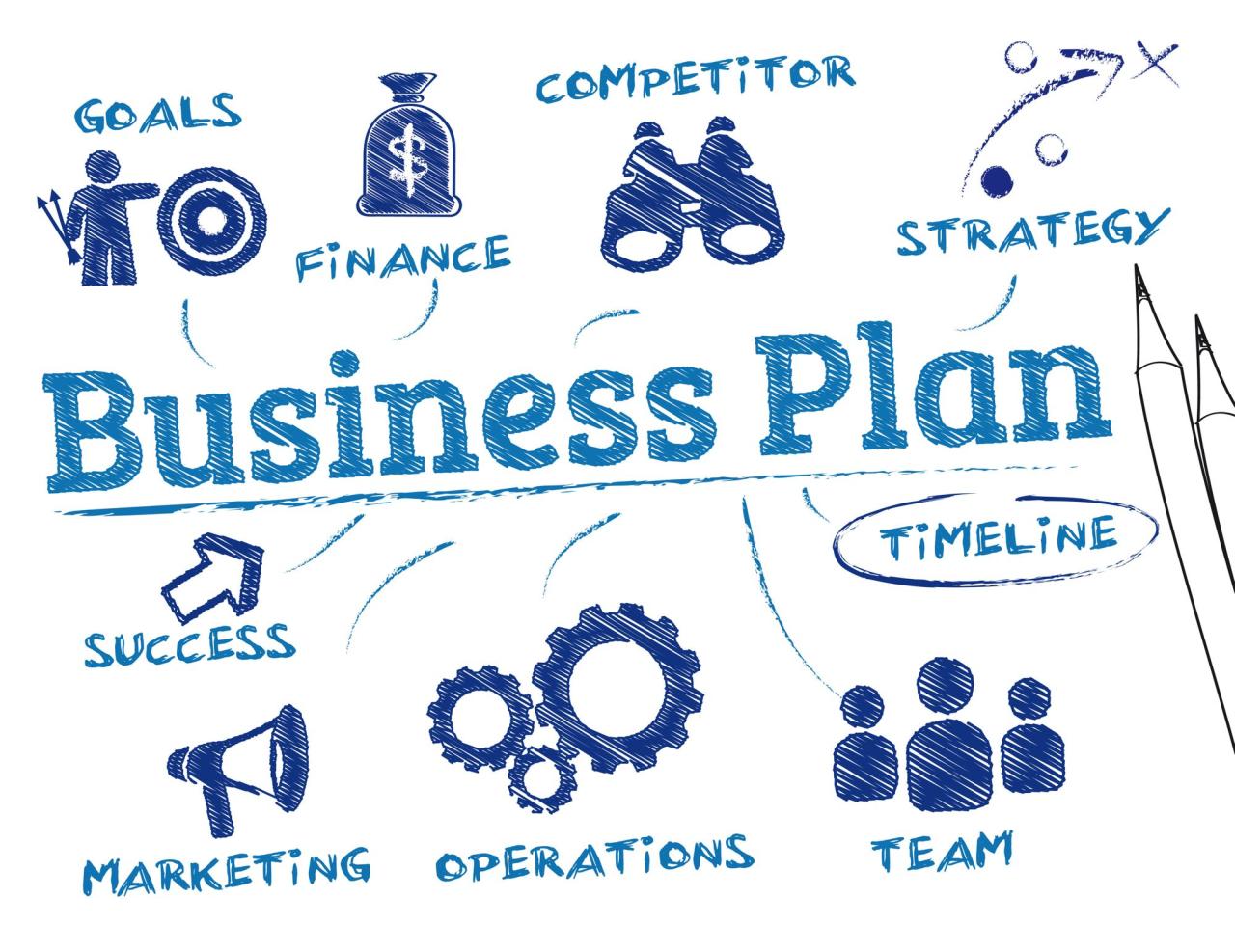
Planning quarterly goals is a vital process for maintaining focus and achieving strategic objectives. However, individuals and teams often encounter several common difficulties that can hinder effective goal-setting and execution. Recognizing these challenges and implementing practical solutions ensures that quarterly planning remains productive and aligned with overall ambitions.Understanding these common hurdles also helps in developing resilience and adaptability, which are essential for sustained progress.
Below, we explore typical challenges faced during quarterly goal planning, along with effective strategies to overcome them.
Time Management Difficulties
Effective planning requires allocating adequate time for goal setting, review, and adjustment. Time management challenges often arise from overloading schedules, underestimating task durations, or failing to prioritize tasks appropriately.To mitigate these issues:
- Establish dedicated planning sessions at the start of each quarter to avoid last-minute rushes.
- Break down large goals into smaller, manageable tasks with clear deadlines, facilitating better time allocation.
- Use time-tracking tools or calendars to monitor progress and identify periods of excessive workload or idle time, enabling better scheduling.
Implementing these practices ensures that planning sessions are prioritized and that goals are realistically scheduled within available time frames.
Setting Unrealistic Targets
One of the most common pitfalls is setting objectives that are overly ambitious or unattainable within the quarter, which can lead to frustration or failure.Practical solutions include:
- Applying the SMART framework to ensure goals are Specific, Measurable, Achievable, Relevant, and Time-bound, increasing the likelihood of success.
- Conducting a thorough assessment of available resources and constraints before finalizing goals to maintain realism.
- Engaging team members or stakeholders in goal-setting to gather diverse perspectives and identify potential obstacles early on.
By grounding goals in reality, teams can foster confidence and maintain momentum throughout the quarter.
Maintaining Motivation and Accountability
Sustaining motivation over a three-month period can be challenging, especially when faced with setbacks or competing priorities.Best practices to enhance motivation and accountability include:
- Regularly reviewing progress through scheduled check-ins fosters a sense of achievement and highlights areas needing adjustment.
- Celebrating small wins along the way helps sustain enthusiasm and reinforces commitment.
- Utilizing accountability partners or teams that share goals can provide external encouragement and constructive feedback.
- Setting interim milestones and clear responsibilities ensures everyone understands their contributions and stays engaged.
- Implementing visual tracking tools, such as progress charts or dashboards, makes progress tangible and encourages continuous effort.
These strategies create a supportive environment where motivation is maintained, and accountability is strengthened throughout the quarter.
Final Summary
In conclusion, mastering how to plan quarterly goals empowers you to organize your priorities efficiently and adapt to changing circumstances. Consistent monitoring and adjustment are key to maintaining momentum and achieving desired outcomes. With a structured approach and the right resources, you can turn your quarterly ambitions into tangible results, paving the way for sustained success.