Mastering how to manage remote work schedule is essential for maximizing efficiency and maintaining a healthy work-life balance. As remote work becomes increasingly prevalent, developing effective scheduling strategies can transform your daily routine and overall productivity. With the right approach, you can navigate the unique challenges of remote work while enjoying the flexibility it offers.
This guide explores practical methods to establish clear goals, design effective routines, utilize technological tools, and create boundaries. By implementing these strategies, you can ensure your remote work experience is both productive and sustainable, helping you stay motivated and organized in any setting.
Understanding the Importance of Managing a Remote Work Schedule
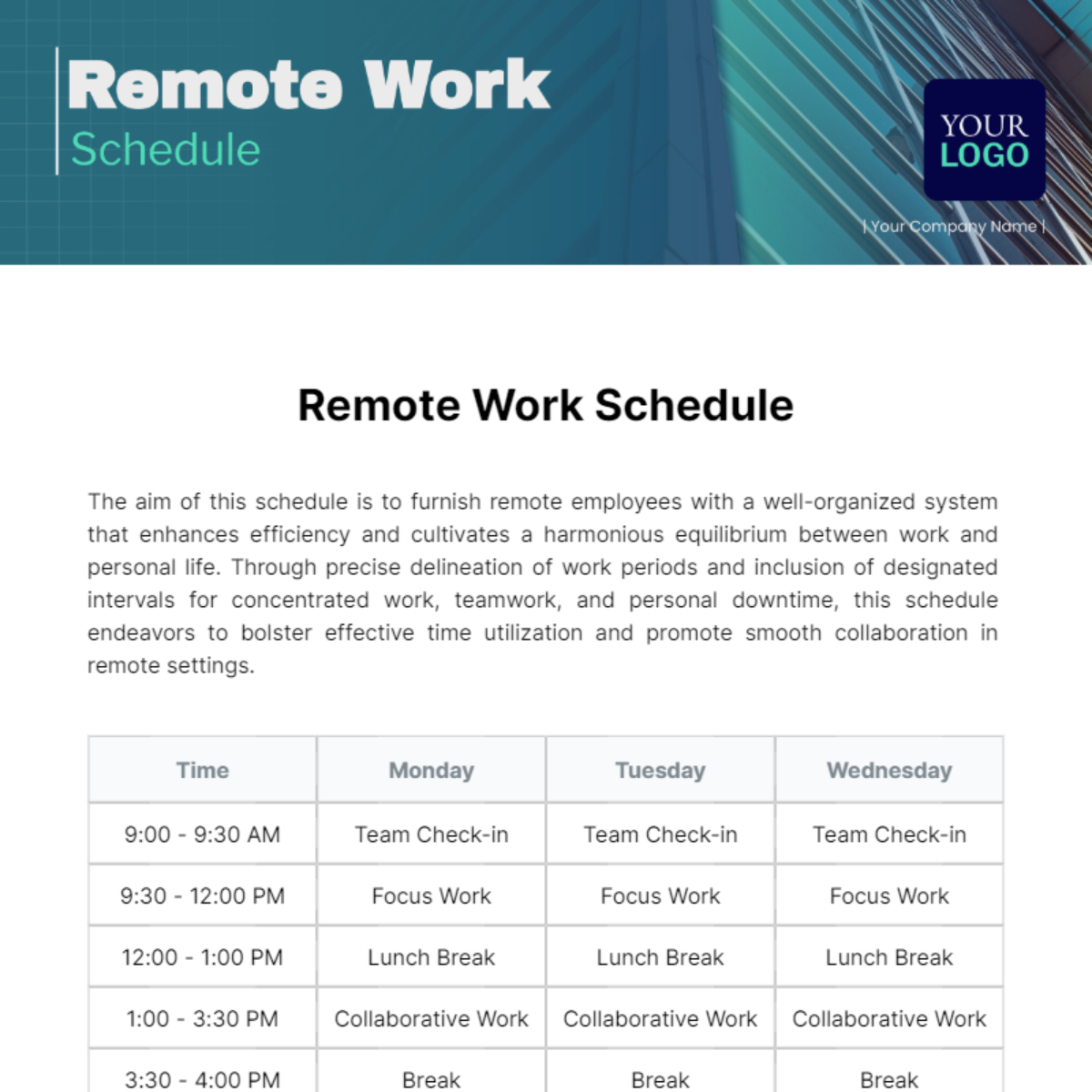
In the evolving landscape of modern employment, remote work has become increasingly prevalent. While offering flexibility and autonomy, it also demands a disciplined approach to ensure productivity and personal well-being. Effectively managing a remote work schedule is essential to harness the benefits of working outside traditional office environments while mitigating associated challenges.
Structured scheduling plays a pivotal role in maintaining focus, meeting deadlines, and preserving a healthy work-life balance. Without clear boundaries and organized routines, remote workers often face disruptions, decreased efficiency, and burnout. Recognizing the significance of a well-crafted schedule enables individuals to create a sustainable work environment that promotes both professional success and personal satisfaction.
The Significance of Structured Scheduling for Productivity
Implementing a consistent schedule ensures that remote employees dedicate specific periods to work-related tasks, reducing distractions and fostering a sense of routine. Structured hours help maintain momentum, prevent procrastination, and improve overall task management. When workers adhere to a predefined timetable, they are more likely to complete projects on time and uphold quality standards.
Research indicates that predictable routines contribute to higher productivity levels. For example, companies that encourage employees to set regular working hours report increased output and engagement. Additionally, having a clear schedule aids in prioritizing urgent versus non-urgent tasks, enabling better decision-making during busy periods.
Benefits of Effective Schedule Management on Work-Life Balance
Balancing professional responsibilities with personal life is a common challenge faced by remote workers. An organized schedule helps delineate work hours from personal time, which is crucial for mental health and overall well-being. When boundaries are well-defined, individuals experience less stress, reduced feelings of being overwhelmed, and greater satisfaction in both spheres.
For instance, allocating specific start and end times for work allows employees to dedicate evenings and weekends to family, hobbies, or relaxation. This separation also improves focus during working hours, as workers are less tempted to extend work tasks into personal time. Furthermore, a disciplined schedule supports consistent sleep patterns, healthy routines, and reduces the risk of burnout caused by overworking.
Common Challenges Without Proper Schedule Organization
Neglecting to establish a structured work schedule often leads to several difficulties that impair productivity and personal health. One prevalent issue is the tendency to work irregular hours, which can cause fatigue and reduce overall efficiency. Without defined boundaries, remote workers may find themselves working late into the night or during weekends, blurring the line between work and leisure.
Another challenge involves increased susceptibility to distractions, such as household chores, social media, or family interruptions, which can derail focus and delay task completion. The lack of a routine can also contribute to feelings of isolation and disconnection from colleagues, impacting collaboration and morale.
Effective schedule management is the cornerstone of a successful remote work experience, enabling individuals to optimize productivity while safeguarding their well-being.
Setting Clear Goals and Priorities for Remote Work

Establishing well-defined goals and priorities is fundamental to maintaining productivity and focus when working remotely. Clear objectives enable individuals to channel their efforts effectively, minimize distractions, and ensure that daily and weekly tasks align with broader organizational aims. By setting concrete targets, remote workers can measure progress, stay motivated, and adapt their strategies as needed for optimal performance.
In the absence of physical oversight, proactive planning and prioritization become essential. This process involves not only identifying what needs to be accomplished but also determining the most critical tasks that contribute significantly to team or company success. Organized goal setting fosters accountability, enhances time management, and sustains momentum across remote work schedules.
Creating a Step-by-Step Guide to Define Daily and Weekly Work Objectives
- Identify Key Responsibilities: Begin by listing all essential duties associated with your role, considering both ongoing projects and routine tasks. Consulting job descriptions, project plans, and recent feedback can help clarify these responsibilities.
- Break Down Larger Goals: Divide broad objectives into smaller, actionable tasks. For instance, instead of a vague goal like “Improve client communication,” specify tasks such as “Respond to client emails within 24 hours” or “Prepare weekly update reports.”
- Set SMART Goals: Ensure each objective is Specific, Measurable, Achievable, Relevant, and Time-bound. Applying SMART criteria increases clarity and accountability, reducing ambiguity in task execution.
- Allocate Tasks to Daily and Weekly Plans: Distribute the smaller tasks across your workweek, prioritizing urgent or high-impact activities for each day. Use tools like digital planners or task management apps to visualize your schedule.
- Review and Adjust: At the end of each day and week, evaluate progress, identify obstacles, and refine upcoming goals. This iterative process enhances adaptability and keeps efforts aligned with evolving priorities.
Organizing Methods to Prioritize Tasks
Effective prioritization ensures that critical tasks receive immediate attention while less urgent activities are scheduled appropriately. Implementing a structured approach helps remote workers manage their workload efficiently, prevent overwhelm, and meet deadlines consistently.
“Prioritization is about making informed choices that maximize value and minimize wasted effort.”
One practical method involves using a task prioritization table that captures essential details for each activity. Here’s an example of how to structure it:
| Task | Urgency | Importance | Deadline | Status |
|---|---|---|---|---|
| Finish quarterly sales report | High | High | End of the week | In Progress |
| Respond to client inquiries | Medium | High | Within 24 hours | |
| Update project documentation | Low | Medium | Next week | |
| Schedule team meeting | High | Medium | Tomorrow |
By regularly reviewing this table, remote workers can adjust their focus, ensuring that high-priority tasks are completed first and deadlines are met effectively.
Aligning Goals with Team or Organizational Targets
Ensuring individual goals contribute coherently to team or organizational objectives enhances overall productivity and fosters a unified work environment. Clear communication and strategic planning are vital in this alignment process.
- Understand Organizational Goals: Stay informed about the company’s strategic plans, key performance indicators (KPIs), and departmental targets. Regularly reviewing organizational updates helps maintain awareness of overarching priorities.
- Translate Organizational Objectives into Personal Goals: Break down broader organizational targets into specific, measurable tasks relevant to your role. For example, if the company aims to increase customer satisfaction by 15%, your goals might include reducing response times or improving service quality.
- Collaborate with Team Members: Engage in regular communication with colleagues and managers to ensure your objectives complement team efforts. Sharing progress and challenges fosters mutual accountability and strategic coherence.
- Use Performance Metrics: Establish KPIs that reflect both individual and team contributions. Tracking these metrics enables continuous alignment and demonstrates how your work impacts organizational success.
Successfully managing remote work schedules hinges on clear goal-setting and effective prioritization, ensuring that individual efforts resonate with wider organizational ambitions. This structured approach cultivates a focused, motivated, and aligned remote workforce.
Designing an Effective Daily Routine
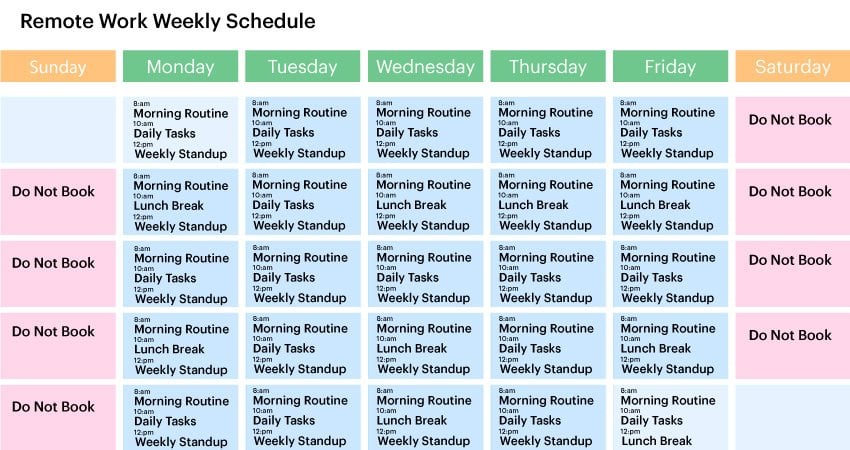
Establishing a well-structured daily routine is essential for maintaining productivity, work-life balance, and overall well-being when working remotely. A consistent routine helps create boundaries between work and personal life, minimizes distractions, and enhances focus throughout the day. By thoughtfully designing your daily schedule, you can maximize efficiency while ensuring sufficient time for rest and personal activities.Creating an effective daily routine involves setting fixed start and end times for your workday, integrating regular breaks to prevent fatigue, and allocating specific time blocks for different tasks.
This structured approach helps foster discipline, improves time management, and reduces the risk of burnout, which is a common challenge in remote work environments.
Establishing Consistent Start and End Times
Consistent work hours create a predictable rhythm, allowing both yourself and colleagues or clients to coordinate effectively. To establish reliable start and end times:
- Determine a standard work window that aligns with your most productive hours, considering your personal energy levels and household responsibilities.
- Communicate your schedule clearly to team members and stakeholders to set expectations and facilitate seamless collaboration.
- Use calendar tools or alarms to signal the beginning and end of your workday, reinforcing boundaries and promoting discipline.
- Avoid the temptation to start earlier or extend work beyond set hours, as this can lead to irregular routines and burnout.
Techniques to Incorporate Breaks and Avoid Burnout
Regular breaks are vital for maintaining mental clarity, physical health, and sustained productivity. Incorporating strategic pauses into your workday can significantly reduce fatigue and enhance overall performance. Consider these techniques:
- Implement the Pomodoro Technique by working for focused intervals of 25 minutes followed by a 5-minute break, with a longer break after four cycles.
- Stand up, stretch, or take short walks during breaks to promote circulation and reduce prolonged sitting, which is linked to health issues.
- Avoid working through lunch or skipping breaks; use this time to step away from screens and recharge mentally.
- Designate specific times in your schedule for relaxation, hobbies, or physical activity to foster a healthy work-life balance.
- Use reminder apps or timers to ensure regular intervals for breaks are maintained consistently throughout the day.
Sample Daily Schedule
A well-planned daily schedule provides clarity and structure to your remote work routine. Below is an example that balances focused work, meetings, and personal time:
| Time | Activity |
|---|---|
| 8:30 AM – 9:00 AM | Morning preparation and review daily goals |
| 9:00 AM – 11:00 AM | Deep work session on priority projects |
| 11:00 AM – 11:15 AM | Break: Stretching and short walk |
| 11:15 AM – 12:30 PM | Meetings or collaborative work |
| 12:30 PM – 1:30 PM | Lunch break and relaxation |
| 1:30 PM – 3:30 PM | Focused work on ongoing tasks or creative projects |
| 3:30 PM – 3:45 PM | Break: Hydration and stretching |
| 3:45 PM – 4:30 PM | Wrap-up, email checking, and planning for next day |
| 4:30 PM | End of workday and transition to personal time |
This schedule emphasizes maintaining dedicated periods for focused work, incorporating regular breaks, and concluding the day with planning to ensure a smooth transition between work and personal life. Adjustments can be made based on individual productivity peaks and personal commitments, but consistency remains key in reinforcing a sustainable remote work routine.
Utilizing Tools and Technology to Manage Your Schedule

Efficient management of a remote work schedule heavily relies on leveraging the right digital tools and technology. These resources help streamline daily activities, keep tasks organized, and ensure consistent productivity. Proper utilization of calendar applications, task management platforms, and productivity tools can significantly enhance your ability to stay on track, meet deadlines, and balance work responsibilities with personal life effectively.Technology offers a variety of solutions tailored to different working styles and needs.
From scheduling meetings to tracking project progress, the right tools can reduce manual effort and minimize the risk of overlooking important commitments. Additionally, integrating these tools with notifications and reminders ensures you remain focused and punctual throughout your workday.
Organizing Calendar Apps, Task Managers, and Productivity Tools
Choosing the correct digital solutions involves understanding your specific requirements and preferences. Calendar apps such as Google Calendar, Microsoft Outlook, or Apple Calendar allow you to block time, set appointments, and share schedules with colleagues or clients. These apps often support multiple devices, ensuring seamless access whether you’re on your computer or smartphone.Task managers, including tools like Asana, Todoist, or Microsoft To Do, help prioritize tasks, set deadlines, and break projects into manageable steps.
They facilitate collaboration, allowing team members to update progress and communicate efficiently within the platform.Productivity tools such as Trello, Notion, or Evernote enable organization of ideas, documents, and workflows in visual and flexible formats. These platforms support integrations with calendar apps and task managers, creating a centralized hub for managing your workday.To optimize their effectiveness:
- Regularly update your schedules and task lists to reflect current priorities.
- Use color coding or labels to distinguish different types of activities or projects.
- Leverage integration features to connect your calendar with task management apps, creating automated updates and reminders.
Comparison of Popular Scheduling Tools
Understanding the features, costs, and integration capabilities of different scheduling tools can help in selecting the most suitable option for your remote work setup. The table below provides a comparative overview of some leading platforms:
| Tool | Features | Costs | Integrations |
|---|---|---|---|
| Google Calendar | Event scheduling, reminders, shared calendars, time zone management | Free | Gmail, Google Meet, Outlook, third-party apps via API |
| Microsoft Outlook Calendar | Scheduling, meeting invites, shared calendars, task integration | Part of Microsoft 365, starting at $69.99/year | Microsoft Teams, To Do, OneNote, third-party apps |
| Todoist | Task organization, deadlines, labels, project tracking | Free basic; Premium at $3/month | Google Calendar, Slack, Zapier, more |
| Asana | Task and project management, timelines, teamwork collaboration | Basic free; Premium at $10.99/user/month | Google Drive, Outlook, Slack, Microsoft Teams |
| Trello | Visual Kanban boards, checklists, attachments, deadlines | Free; Business Class at $12.50/user/month | Google Drive, Slack, Jira, Zapier |
Setting Up Notification Systems for Continuous Tracking
Implementing effective notification systems is crucial for maintaining focus and ensuring timely completion of tasks during remote work. Most digital tools offer customizable alerts and reminders, which can be tailored to your workflow to prevent overlooking important deadlines or meetings.To set up notifications:
- Identify the key activities that require reminders, such as meetings, task deadlines, or routine check-ins.
- Adjust notification preferences within each tool to suit your needs—this could include pop-up alerts, email reminders, or mobile push notifications.
- Establish a schedule for review, such as checking alerts at regular intervals or before starting your workday, to anticipate upcoming commitments.
- Utilize automation features, like recurring reminders or smart notifications, to reduce manual setup and ensure consistent alerts.
Consistent use of notifications helps reinforce discipline, minimizes distractions, and keeps your remote work schedule aligned with your productivity goals. Proper configuration ensures you stay on track without feeling overwhelmed by constant alerts, fostering a balanced and effective remote working environment.
Creating Boundaries Between Work and Personal Life

Maintaining a healthy separation between professional responsibilities and personal activities is crucial when working remotely. Clear boundaries help prevent burnout, improve focus during work hours, and allow individuals to fully enjoy personal time without work interruptions. Establishing these limits requires deliberate planning and consistent communication with colleagues and family members, as well as physical and digital adjustments to the workspace.
By effectively managing boundaries, remote workers can foster a more balanced and productive lifestyle, ensuring that work-related stress does not encroach upon personal well-being.In a remote working environment, boundaries serve as the foundation for a sustainable routine. Without clear demarcation, work can easily spill into personal time, leading to extended working hours and diminished quality of life. Conversely, well-defined boundaries enable individuals to switch off from work at designated times, reducing distractions and enhancing overall focus during working hours.
This clarity also facilitates better communication with colleagues and loved ones, establishing mutual respect for each other’s time and space.
Communicating Availability and Boundaries with Colleagues and Family
Effective communication is essential to set expectations regarding work hours and personal time. Clearly informing colleagues of your preferred working schedule helps prevent unnecessary interruptions during non-working hours. Using status indicators on communication platforms, like “Do Not Disturb” modes or custom availability messages, can reinforce your boundaries. For example, setting a status that indicates “Available 9 am – 5 pm” signals your working hours and encourages colleagues to respect them.Similarly, sharing your work schedule with family members ensures they are aware of when you are focused on work tasks.
Establishing designated times when you do not respond to personal requests or interruptions can help maintain focus. It’s beneficial to discuss and agree upon these boundaries regularly, especially if work demands fluctuate, to foster understanding and cooperation within the household.
Setting Physical and Digital Workspace Limits
Designating specific physical areas for work and relaxation is vital for establishing clear boundaries. A dedicated workspace, such as a home office or a specific corner, helps signal to others that you are in work mode. Ensuring this space is separate from personal areas minimizes distractions and creates a mental separation between work and leisure. When working in shared spaces, using physical cues like a closed door or a specific chair can reinforce boundaries.In addition to physical boundaries, setting digital workspace limits is equally important.
Creating separate email accounts or folders for work-related correspondence helps organize tasks and reduces clutter. Utilizing scheduling tools to block out work hours on calendars makes your availability explicit. Turning off notifications and setting boundaries on personal devices during work hours prevents digital distractions and reinforces the distinction between work time and personal time.
Organizing Tips for Maintaining Separation to Enhance Focus and Reduce Distractions
Maintaining a consistent routine and environment conducive to work can significantly improve focus and reduce distractions. Establishing specific start and end times each day helps create a routine that signals the beginning and conclusion of the workday. Dressing professionally, even when working from home, can psychologically prepare you for work and help differentiate it from leisure time.Using physical cues, such as a designated workspace that is only used for work, reinforces boundaries.
When the workday ends, physically tidying up or leaving the workspace signals to yourself and others that work responsibilities are complete. Employing digital tools, such as website blockers or focus mode features, can limit access to non-work-related sites during working hours. Additionally, informing colleagues and family members of your scheduled work periods encourages respect for your focus time and helps create an environment that minimizes interruptions.
Overcoming Common Challenges in Remote Schedule Management
Managing a remote work schedule offers immense flexibility, but it also presents unique challenges that can hinder productivity and work-life balance. Recognizing these obstacles and implementing targeted strategies are essential for maintaining efficiency and well-being over the long term. Proactively addressing issues such as procrastination, interruptions, and overworking can significantly enhance your ability to stay focused and motivated, even in a home environment filled with potential distractions.Effective remote schedule management requires not only planning but also resilience in facing daily hurdles.
Developing routines that anticipate common problems allows for smoother workflows and sustained discipline. For instance, establishing designated work times can combat procrastination, while creating a distraction-free workspace minimizes interruptions. Staying motivated over extended periods involves setting achievable milestones, rewarding progress, and maintaining a supportive environment. By understanding and tackling these challenges head-on, remote workers can optimize their schedules, achieve their goals more consistently, and enjoy a healthier work-life integration.
Addressing Procrastination
Procrastination is one of the most common issues faced in remote work, often stemming from the temptation to postpone tasks or from feelings of overwhelm. To counteract this, it is beneficial to break larger projects into smaller, manageable segments with specific deadlines. Employing techniques such as the Pomodoro Technique—working for focused intervals of 25 minutes followed by short breaks—can boost concentration and lessen the tendency to delay.
Additionally, maintaining a prioritized task list ensures clarity about what needs immediate attention, reducing the likelihood of procrastination due to indecision or uncertainty.
Managing Interruptions
Distractions and interruptions are inevitable when working remotely, especially with household responsibilities or personal devices competing for attention. Creating a dedicated and organized workspace minimizes environmental distractions. Communicating boundaries to family members or housemates during work hours can prevent unexpected interruptions. Utilizing tools like website blockers or focus apps can help limit access to non-essential sites during work periods. Regularly scheduled breaks also allow for addressing personal needs without disrupting deep work sessions, striking a balance between flexibility and focus.
Preventing Overworking and Burnout
Remote workers often struggle with overworking due to the blurred lines between work and personal life, leading to burnout. Implementing a strict schedule that includes designated start and end times for the workday helps establish boundaries. Using visual cues such as a dedicated workspace or signaling device can reinforce when work stops and personal time begins. Incorporating regular physical activity, mindfulness exercises, and ensuring sufficient rest are crucial for maintaining mental and physical health.
Setting clear limits on overtime and periodically reviewing workload helps prevent exhaustion, ensuring sustained productivity and well-being.
Implementing Routine Strategies
Designing routines that address these common challenges involves deliberate planning and consistency. Establishing morning rituals that prepare you for the day, such as reviewing your task list or setting daily goals, creates a proactive mindset. During the day, scheduled check-ins or briefings can help maintain focus and accountability. End-of-day routines, including reflection on accomplishments and preparing for the next day, foster continuity and reduce stress.
Regularly evaluating and adjusting routines ensures they remain effective and aligned with changing priorities or challenges.
Maintaining Motivation and Discipline
Remaining motivated over long periods requires cultivating a sense of purpose and recognizing progress. Setting short-term milestones provides a sense of achievement, while celebrating these successes reinforces positive habits. Visual tools such as progress charts or achievement boards can serve as constant reminders of your goals. Building accountability through virtual peer groups or regular check-ins with managers enhances discipline and provides external motivation.
Additionally, maintaining a healthy work-life balance through leisure activities and hobbies sustains enthusiasm and prevents fatigue, keeping remote workers engaged and resilient over time.
Wrap-Up
In summary, managing your remote work schedule effectively is a vital skill that leads to enhanced productivity and work-life harmony. By setting clear priorities, leveraging the right tools, and maintaining proper boundaries, you can overcome common challenges and enjoy the full benefits of remote work. Embrace these strategies to create a balanced and efficient work routine that adapts to your evolving needs.