Learning how to stretch at office is essential for maintaining physical well-being and enhancing work efficiency throughout the day. Even during busy schedules, incorporating simple stretching routines can significantly reduce the negative effects of prolonged sitting and static postures.
This guide explores effective stretches suitable for office environments, practical routines to incorporate into your daily schedule, ergonomic tips to optimize movement, and safety precautions to ensure a healthy and productive work experience.
Introduction to Stretching at the Office
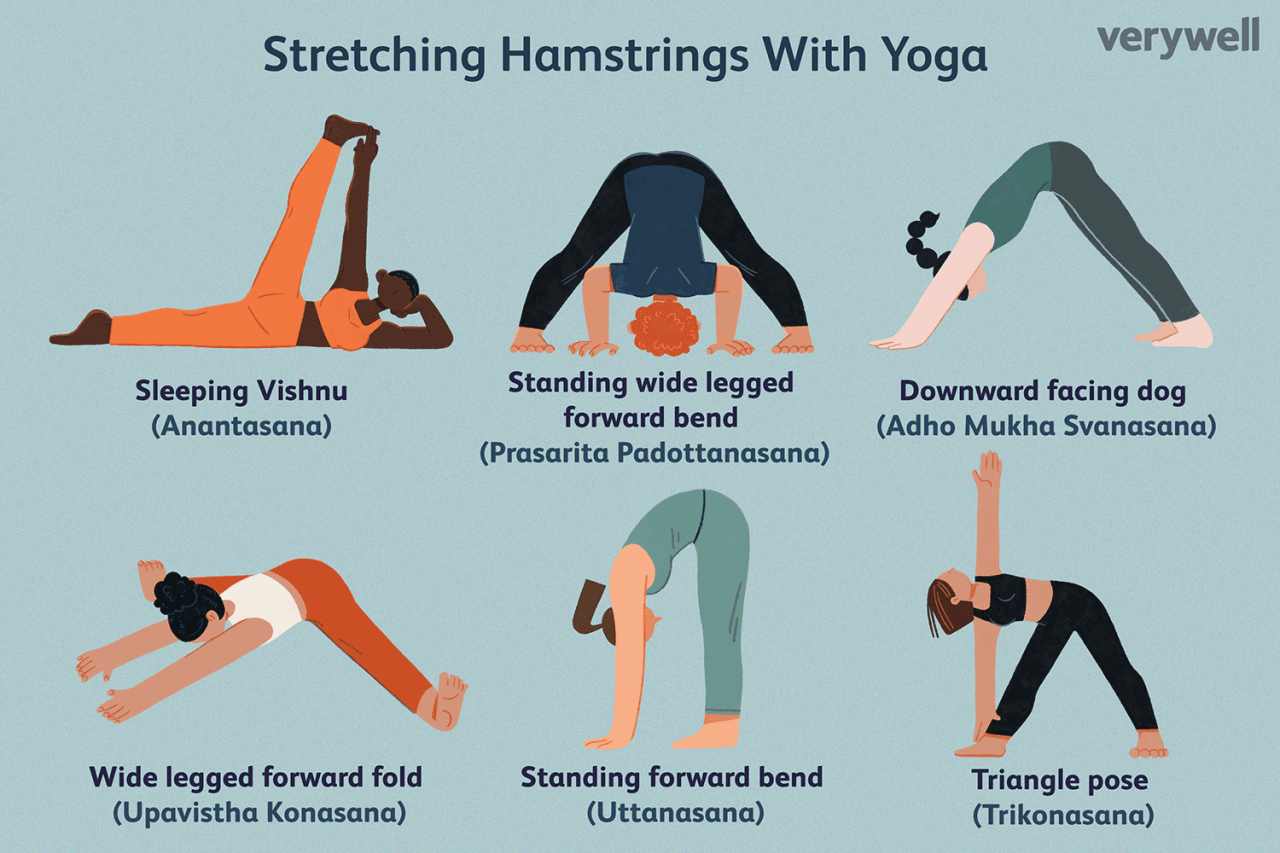
In today’s fast-paced work environment, many employees find themselves seated at their desks for extended periods, often neglecting movement and physical activity. Incorporating stretching routines into the workday is a simple yet effective strategy to counteract the adverse effects of prolonged sitting. Regular stretching not only breaks the monotony of continuous work but also serves as a vital component of maintaining overall health and well-being during office hours.
The lack of movement during lengthy work sessions can lead to various health issues, including muscle stiffness, poor circulation, and postural problems such as back and neck pain. Over time, these issues may diminish productivity, increase fatigue, and elevate the risk of chronic musculoskeletal conditions. Engaging in periodic stretching exercises helps alleviate these problems by promoting blood flow, enhancing flexibility, and reducing muscle tension.
Moreover, incorporating stretching into daily routines can boost concentration, improve posture, and foster a more comfortable and efficient working environment, ultimately contributing to better physical health and increased workplace productivity.
Common Issues Caused by Prolonged Sitting and Lack of Movement
Prolonged sitting without movement can lead to several physical discomforts and health concerns that may impact daily functioning and work performance. Understanding these issues underscores the importance of including stretching exercises during work hours.
- Muscle Stiffness and Tightness: Staying stationary for long periods causes muscles, particularly in the back, neck, hips, and legs, to become stiff and tight, leading to discomfort and restricted mobility.
- Poor Circulation: Sitting for extended durations impairs blood flow, which can cause swelling in the legs, varicose veins, and a feeling of fatigue.
- Postural Problems: Maintaining static postures often results in misalignment of the spine, shoulder strain, and neck pain, which can develop into chronic issues if unaddressed.
- Increased Risk of Chronic Conditions: Sedentary behavior has been linked to obesity, cardiovascular disease, and metabolic syndrome, emphasizing the need for movement and stretching as preventive measures.
Benefits of Regular Stretching for Physical Health and Productivity
Implementing consistent stretching routines during the office workday offers numerous advantages that extend beyond immediate physical relief. These benefits play a crucial role in fostering a healthier, more productive workspace.
- Enhanced Flexibility and Range of Motion: Regular stretching helps maintain and improve joint flexibility, reducing the risk of injuries and improving overall mobility.
- Reduced Muscle Tension and Pain: Stretching alleviates muscle tightness, decreasing discomfort in commonly affected areas such as the shoulders, neck, and lower back.
- Improved Circulation and Energy Levels: Movement stimulates blood flow, which enhances oxygen delivery to tissues and can boost energy and alertness throughout the day.
- Better Posture and Spinal Alignment: Stretching exercises target postural muscles, supporting correct alignment and reducing the strain associated with poor sitting habits.
- Increased Focus and Productivity: Brief intervals of stretching can refresh the mind, alleviate mental fatigue, and foster a more attentive and efficient work environment.
Basic stretches suitable for office environments
Implementing simple stretching routines during work hours can significantly reduce muscle tension, improve posture, and enhance overall comfort throughout the day. These stretches are designed to be performed in limited space, typically at your desk or in nearby areas, making them convenient for busy office settings. Regularly integrating these movements into your routine can contribute to better physical well-being and increased productivity.
In an office environment, long periods of sitting can lead to stiffness, especially in the neck, shoulders, back, and legs. Therefore, selecting stretches that target these areas helps alleviate discomfort and prevents common issues like neck strain, shoulder tension, and lower back pain. Below, you’ll find organized, easy-to-follow stretches categorized by body region, complete with step-by-step instructions to incorporate into your daily routine.
Neck Stretches
| Stretch | Steps | Notes | Benefits |
|---|---|---|---|
| Neck Tilt |
|
Perform slowly to avoid strain. Keep your shoulders relaxed during the stretch. | Relieves tension in the neck muscles and improves flexibility. |
| Neck Rotation |
|
Perform slowly to prevent dizziness. Keep your shoulders steady. | Reduces stiffness and enhances cervical mobility. |
Shoulder Stretches
Shoulder tightness is common due to prolonged sitting and computer use. Performing targeted stretches can help loosen up the shoulder muscles, reduce strain, and improve posture.
| Stretch | Steps | Notes | Benefits |
|---|---|---|---|
| Shoulder Roll |
|
Keep movements smooth to avoid strain. | Relieves shoulder tension and enhances circulation. |
| Cross-Body Shoulder Stretch |
|
Perform gently to prevent overstretching. | Helps loosen tight shoulder muscles and improve flexibility. |
Back Stretches
Maintaining a healthy back is essential for preventing discomfort and promoting good posture. These stretches target the upper and lower back, providing relief from stiffness caused by prolonged sitting.
| Stretch | Steps | Notes | Benefits |
|---|---|---|---|
| Seated Spinal Twist |
|
Keep your back straight and avoid over-twisting. | Improves spinal mobility and relieves tension in the back muscles. |
| Cat-Cow Stretch (Seated) |
|
Perform slowly to maximize benefits and prevent strain. | Enhances flexibility of the spine and relieves back stiffness. |
Leg Stretches
Extended sitting can lead to tight hamstrings and calves. Incorporating leg stretches helps maintain blood flow and flexibility, reducing discomfort and preventing cramps.
| Stretch | Steps | Notes | Benefits |
|---|---|---|---|
| Seated Hamstring Stretch |
|
Ensure your back remains straight to avoid strain. | Stretches hamstrings and improves lower body flexibility. |
| Calf Stretch |
|
Perform gently to avoid overstretching. | Relieves calf tightness and promotes circulation in the lower legs. |
Effective Stretching Routines for Different Work Durations
Implementing strategic stretching routines during work hours can significantly enhance comfort, reduce fatigue, and improve overall productivity. Tailoring these routines to accommodate varying work durations ensures employees derive maximum benefits from their stretching efforts, whether during brief pauses or longer breaks.
By integrating targeted stretches at appropriate intervals, individuals can mitigate the adverse effects of prolonged sitting and repetitive movements common in office environments. Effective routines should be practical, time-efficient, and adaptable to the constraints of a typical workday.
Sample Schedule for Short Breaks (Every 30 Minutes) and Longer Breaks (Every 2 Hours)
Scheduling regular breaks with specific stretching activities helps maintain physical well-being throughout the workday. Short breaks every 30 minutes serve as quick refreshers, while longer breaks every 2 hours allow for more comprehensive stretching routines. The following sample schedule Artikels effective timings and suggested stretches to optimize benefits within the limited time frames.
Short Breaks (Every 30 Minutes)
- Perform a seated neck stretch: Slowly tilt your head towards each shoulder, holding for 5 seconds on each side.
- Shoulder rolls: Roll shoulders backward and forward for 10 repetitions to relieve tension accumulated from typing and mouse use.
- Wrist and finger stretches: Extend arms, bend wrists backward and forward, and spread fingers to reduce strain from typing.
- Seated spinal twist: While seated, twist your upper body gently to each side, holding for 5 seconds to enhance spinal mobility.
Longer Breaks (Every 2 Hours)
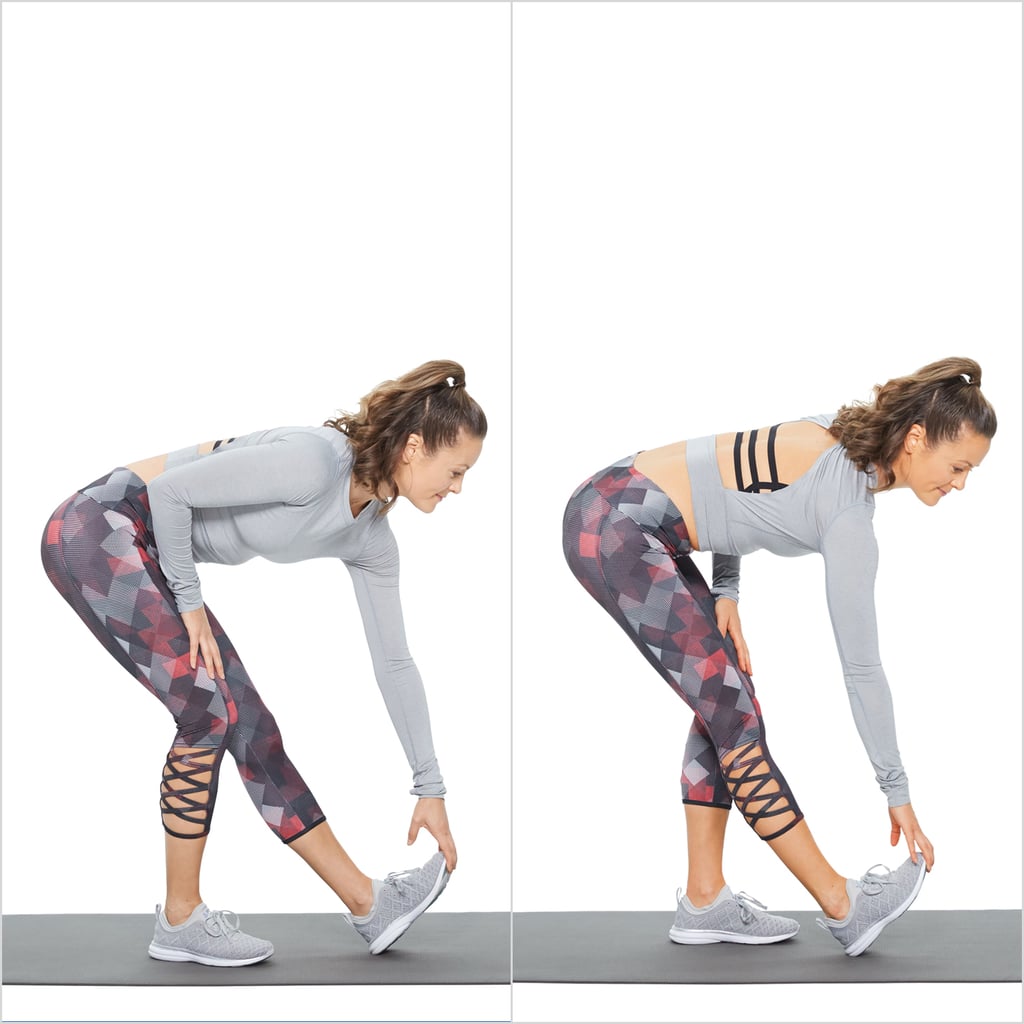
- Standing hamstring stretch: Stand up, place one leg on a stable surface, and gently lean forward to stretch the hamstring; hold for 15 seconds, then switch sides.
- Chest opener: Clasp your hands behind your back and lift them slightly while opening your chest to counteract hunching over the desk.
- Quadriceps stretch: Stand on one leg, grasp your ankle behind you, and gently pull towards your buttocks; hold for 15 seconds on each side.
- Full-body stretch: Reach overhead with both arms, stretch upward, then bend side to side to loosen up the entire body.
Maximizing Stretch Benefits Within Limited Time Frames
To ensure optimal benefits from brief stretching sessions, it is essential to follow specific procedures and maintain consistency. Focused and deliberate execution of each stretch enhances muscle relaxation and improves flexibility, even within short durations.
Key strategies include:
- Perform each stretch slowly and with controlled movements to prevent overstretching or injury.
- Pause briefly at the peak of each stretch to allow muscles to relax fully.
- Incorporate deep breathing during stretches to promote relaxation and oxygen flow.
- Maintain good posture during stretching to maximize effectiveness and prevent strain.
- Keep a regular schedule to develop a routine, making stretching an integral part of the workday.
Consistency and mindful execution of stretching routines are crucial for long-term benefits, especially in limited time frames during office hours.
Ergonomic Tips to Enhance Stretching Effectiveness
Maintaining proper ergonomics at the workplace significantly amplifies the benefits of stretching routines. When workstation setup and posture align with ergonomic principles, stretches become more effective in relieving tension, preventing strain, and promoting overall musculoskeletal health. Implementing thoughtful ergonomic strategies can transform a sedentary work environment into a space that encourages movement and well-being.Optimizing your workspace and posture not only supports the efficacy of stretching exercises but also fosters a sustainable approach to maintaining musculoskeletal health throughout the workday.
The following guidelines highlight essential ergonomic tips to maximize stretching benefits and encourage healthier work habits.
Workstation Adjustments Supporting Stretching Exercises
Proper workstation adjustments create an environment conducive to regular movement and stretching. A workstation tailored to individual needs allows for comfortable postures and easy access to movement opportunities, reducing fatigue and discomfort. Key adjustments include:
- Adjusting chair height so that feet are flat on the floor and knees are at a 90-degree angle, promoting stability during stretches.
- Positioning monitors at eye level to prevent neck strain and facilitate stretches targeting the neck and shoulders.
- Ensuring keyboard and mouse are within easy reach to reduce stretching effort and maintain neutral wrist and arm positions.
- Providing sufficient space around the desk to allow free movement without obstructions, encouraging frequent stretching and shifting positions.
Creating a workspace with these adjustments helps integrate stretching routines seamlessly into daily tasks, enhancing comfort and reducing the risk of musculoskeletal disorders.
Posture Alignment During Stretches
Maintaining correct posture during stretches enhances their effectiveness and prevents unintended strain. Proper alignment ensures that muscles are stretched safely and that joints are not placed under excessive stress. The following principles are essential:
“Align your ears over your shoulders, shoulders over hips, and hips over knees for optimal posture during stretching routines.”
When performing stretches, focus on keeping the spine elongated and avoiding slouched or twisted positions. For example, during a seated neck stretch, ensure the back remains straight with shoulders relaxed. When reaching overhead, engage core muscles to support the spine. Proper posture not only maximizes stretch benefits but also reinforces good ergonomic habits that can be maintained throughout the workday.
Setting Up a Workspace That Encourages Movement
Designing a workspace that naturally promotes movement involves strategic planning to integrate movement-friendly features. This setup encourages regular stretching and shifting, which are vital for preventing stiffness and promoting circulation. Consider the following:
- Using sit-stand desks to alternate between sitting and standing positions, reducing static postures and encouraging dynamic movement.
- Positioning frequently used items within arm’s reach to minimize prolonged reaching or twisting, prompting more frequent repositioning and stretching.
- Incorporating ergonomic accessories such as balance balls or sit-stand converters to diversify sitting postures and stimulate movement.
- Designing the layout to include open spaces or designated areas for quick stretching or light exercises, making movement an integrated part of the work routine.
Creating a workspace that naturally supports movement helps establish a culture of active breaks, which can boost productivity, reduce fatigue, and improve overall health. Regularly re-evaluating workspace ergonomics ensures that stretching remains an effective and enjoyable part of daily routines, ultimately fostering a healthier and more dynamic office environment.
Demonstrating Proper Techniques for Common Office Stretches
Ensuring that office stretches are performed correctly is essential to maximize their benefits and prevent injury. Proper technique not only enhances flexibility and circulation but also ensures safety during each movement. Demonstrating these stretches accurately helps foster good habits and promotes consistency in your routine.Executing office stretches with proper form involves understanding the correct posture, movement, and duration for each stretch.
It is equally important to pay attention to breathing patterns and hold times, as these factors influence muscle relaxation and effectiveness. When done correctly, stretches can alleviate tension accumulated from prolonged sitting and improve overall comfort throughout the workday.
Proper Technique and Execution
A detailed understanding of how to perform each stretch correctly will help prevent common mistakes such as overstretching, improper alignment, or rapid movements that can cause muscle strain. Correct technique involves slow, controlled movements, awareness of body positioning, and maintaining comfort levels.When executing stretches, it is vital to engage in deep, even breaths. Inhale slowly through the nose to prepare the muscles for stretching, then exhale gradually as you deepen into the stretch.
This breathing pattern promotes muscle relaxation and enhances stretch effectiveness. Typically, holding each stretch for 15 to 30 seconds allows sufficient time for muscle elongation without overstressing tissues.
Maintain a steady, gentle breathing rhythm during each stretch, avoiding holding your breath, which can increase tension and reduce the stretch’s benefit.
Hold each stretch for at least 15 seconds, and up to 30 seconds for optimal flexibility gains, repeating as needed throughout the day.
Executing Common Office Stretches Correctly
Below are some of the most effective office stretches, demonstrating proper techniques to ensure safety and maximize benefits:
Neck Stretch: Sit or stand upright with shoulders relaxed. Gently tilt your head toward your right shoulder, bringing your ear closer to your shoulder without raising the shoulder. Use your right hand to apply light pressure on the side of your head for a deeper stretch. Keep your neck aligned and avoid twisting. Breathe slowly and hold for 15-20 seconds, then switch sides.
Ensure your shoulders remain relaxed and do not shrug during the stretch. Use only gentle pressure with your hand—forceful pulling can cause strain.
Chest Opener: Stand tall with feet shoulder-width apart. Clasp your hands behind your back, interlocking fingers if possible. Gently lift your clasped hands upward while opening your chest forward. Keep your shoulders down and back. Inhale deeply before holding the stretch, and exhale slowly as you deepen it.
Hold for 15-20 seconds, feeling the stretch across your chest and shoulders.
Keep your neck in a neutral position, avoiding craning your head forward or backward to prevent strain.
Sitting Spinal Twist: Sit on your chair with feet flat on the ground. Place your right hand on the back of the chair and your left hand on your right thigh. Gently twist your torso to the right, keeping your spine straight. Hold the position, breathing evenly, for 15 seconds, then switch sides.
Maintain an upright posture during the twist, avoiding over-rotation or forcing the movement. Use your hands to assist, not to pull or jerk.
Hamstring Stretch: Sit on the edge of your chair with one leg extended straight out, heel on the ground, and toes pointing upward. Keep your back straight and hinge at the hips to lean forward slightly until you feel a gentle stretch in the back of your thigh. Hold for 15-20 seconds, then switch legs.
Avoid rounding your back excessively; focus on hinging at the hips to target the hamstring effectively.
Incorporating these techniques into your office routine ensures each stretch is performed safely and effectively. Regular practice with proper form can significantly improve flexibility, reduce stiffness, and promote a healthier, more comfortable workspace environment.
Creative ways to incorporate stretching into daily work routines
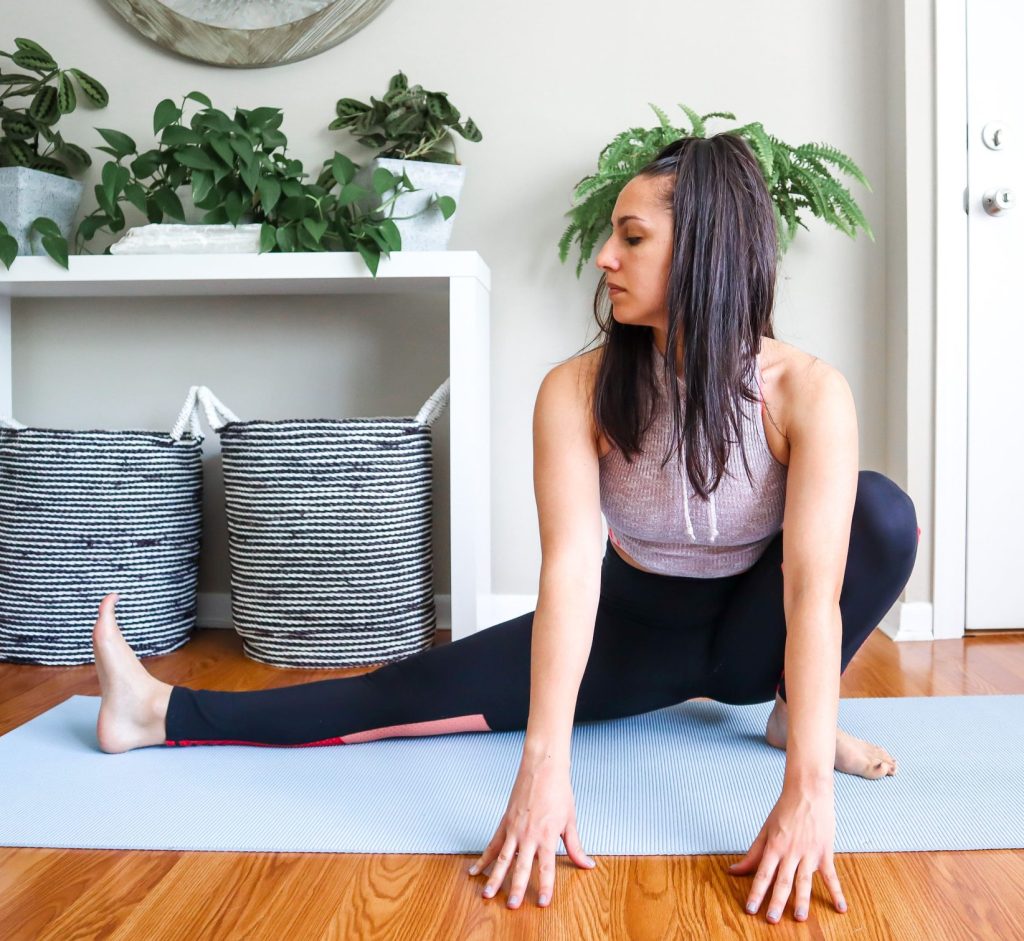
Integrating stretching into the natural flow of your workday can significantly enhance flexibility, reduce discomfort, and boost overall productivity. When office tasks are often sedentary and repetitive, finding innovative methods to include movement not only promotes physical health but also refreshes mental focus. By adopting simple strategies that blend seamlessly with daily responsibilities, employees can maintain an active and healthy work environment.Incorporating stretching into routine work activities is about making movement an effortless and enjoyable part of the day.
Creative approaches transform traditional stretching from a scheduled task into a spontaneous and motivating practice. These methods can foster a culture of well-being within the office, encouraging consistent participation and making stretching a positive, habitual activity for everyone.
Ideas for integrating stretches with daily tasks
To seamlessly embed stretching into everyday office activities, consider strategies that align with common work routines such as phone calls, meetings, and breaks. These small adjustments can make a substantial difference in reducing physical strain and maintaining energy levels throughout the day.
- Stretch during phone calls: While on hold or during conference calls, perform subtle neck, shoulder, or wrist stretches. For example, gently tilt your head side to side or roll your shoulders backward and forward. These movements are discreet and can be done without disrupting the call.
- Incorporate stretches into meetings: Start or end meetings with a quick group stretch. Encourage participants to stand and perform stretches like arm circles, side bends, or leg stretches. This not only promotes movement but also fosters engagement and a sense of camaraderie.
- Use scheduled breaks for stretching: Allocate time between tasks or at set intervals—every 30 or 60 minutes—to stand up and perform a series of stretches. This helps break prolonged sitting periods and refreshes focus.
- Stretch while commuting or commuting-related activities: If working remotely or in transit, do seated stretches or ankle rotations during breaks. This keeps muscles active even outside traditional office hours.
Office-friendly stretching games or challenges to motivate participation
Motivating employees to stay active can be achieved through engaging and friendly competitions that promote stretching. Creating a sense of community around wellness activities encourages consistent participation and makes stretching enjoyable rather than a chore.
- Stretching challenge of the week: Set weekly goals for different stretches, such as holding a chest opener for two minutes or doing ten shoulder rolls. Track progress collectively and celebrate milestones.
- Desk stretch Bingo: Design bingo cards with various stretches or movements. Employees mark off a spot each time they complete a stretch, aiming to complete a row or the entire card by the end of the week.
- Team stretch relay: Organize small teams to perform a series of stretches in turns, creating a relay-style activity. This fosters teamwork and physical activity simultaneously.
- Stretch and share sessions: Allocate a few minutes during breaks where employees can demonstrate their favorite stretch or movement. Sharing tips and techniques builds a supportive wellness community.
Methods to implement these ideas effectively
Successful integration of stretching activities requires thoughtful planning and encouragement. Managers and team leaders can play a vital role by creating an environment that values wellness and inclusivity.
- Set clear policies and reminders: Use calendar alerts, posters, or digital notifications to remind employees to stretch at designated times. Consistency reinforces the habit.
- Create designated stretch zones: Designate a specific area in the office equipped with mats or chairs that facilitate stretching. This reduces barriers and signals that movement is encouraged.
- Lead by example: Managers and team leaders participating in stretching routines motivate others to follow suit. Demonstrating commitment to wellness fosters a positive workplace culture.
- Gather feedback and adapt: Regularly collect input from employees on preferred activities and timings. Tailoring programs to team preferences increases engagement and sustainability.
Integrating creative stretching methods into the workday transforms routine tasks into opportunities for movement, fostering a healthier, more energized workforce.
Precautions and safety tips for office stretching
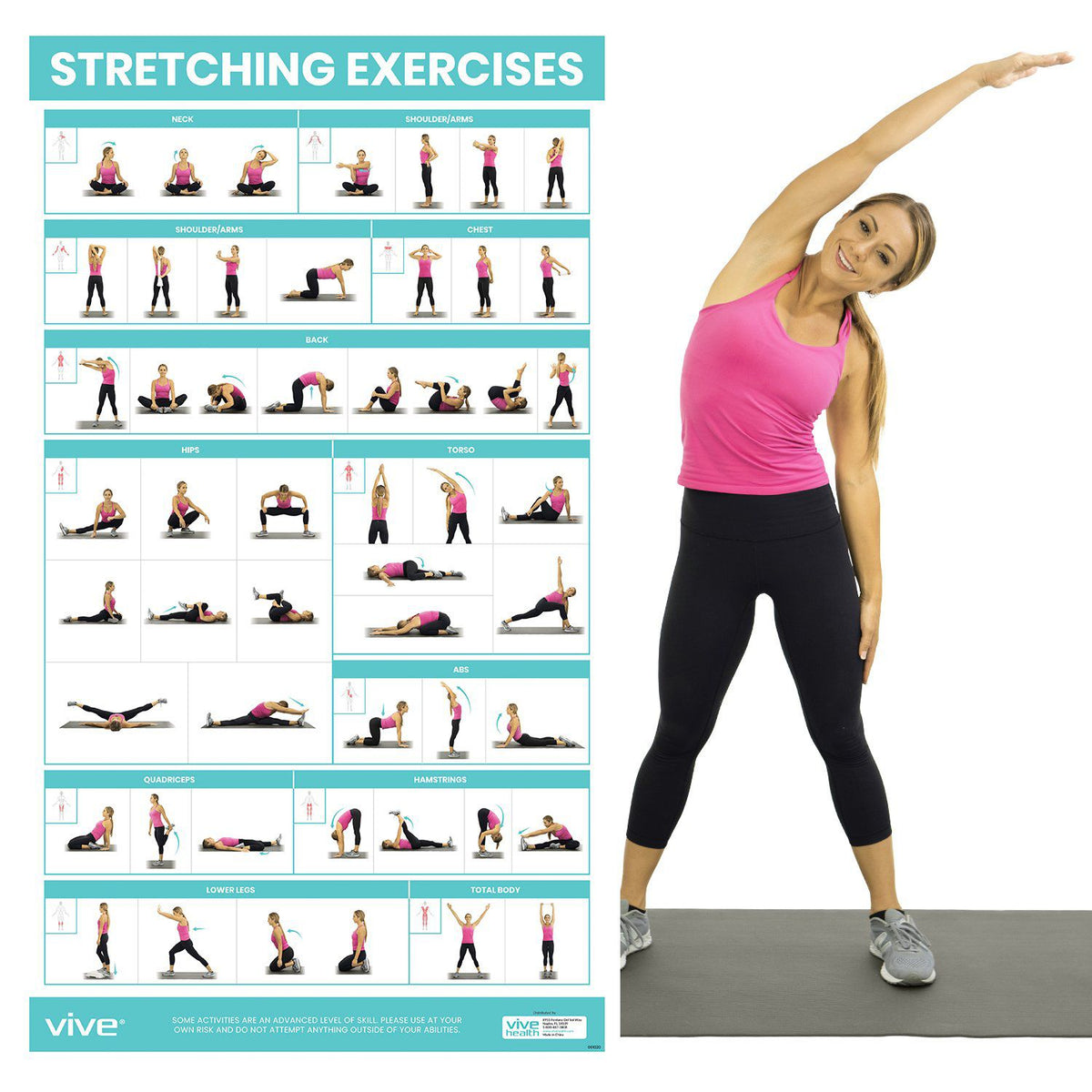
Maintaining proper safety and precautionary measures during stretching routines at the office is essential to prevent injuries and ensure the benefits of these activities are maximized. While stretching is generally safe and beneficial, improper techniques or neglecting certain considerations can lead to discomfort or harm. Educating oneself on common mistakes, recognizing contraindications, and understanding signs of overstretching can significantly improve the safety and effectiveness of office stretches.It is vital to approach stretching with mindfulness, respecting your body’s signals and limitations.
This not only helps in avoiding injuries but also encourages consistency and confidence in incorporating stretching into your daily work routine.
Common mistakes to avoid during stretches
Understanding frequent errors made during office stretching can help prevent unnecessary strain or injury. Even well-intentioned employees may inadvertently compromise safety if they overlook certain aspects of proper technique or timing.To ensure safe stretching practices, consider the following points:
- Forcing movements beyond your comfort zone: Pushing into pain or extreme discomfort can cause muscle strains or joint injuries. Stretch within a gentle, tolerable range.
- Holding stretches incorrectly: Not maintaining proper form or alignment can lead to ineffective stretching and potential injury. Focus on controlled, smooth movements.
- Neglecting warm-up: Starting stretches without a brief warm-up can cause muscles to tighten further or strain. Light activity like walking or arm swings prepares muscles adequately.
- Overstretching or bouncing: Employing ballistic movements or bouncing during stretches increases injury risk. Instead, use slow, steady holds.
- Ignoring signs of discomfort: Continuing to stretch despite pain or unusual sensations can exacerbate injuries. Listen to your body and stop if necessary.
Contraindications for certain stretches based on health conditions
Certain health conditions necessitate modifications or avoidance of specific stretches to prevent adverse effects. Recognizing these contraindications is critical for individuals with pre-existing health issues.Some common health conditions and corresponding considerations include:
- Hypertension or cardiovascular issues: Avoid stretches that involve sudden, intense movements or require holding your breath. Gentle neck and shoulder stretches are preferable.
- Spinal injuries or herniated discs: Exercises involving deep spinal twists or forward bends should be performed cautiously or avoided altogether unless approved by a healthcare professional.
- Joint problems such as arthritis: Limiting movements that cause joint pain or swelling is essential. Gentle range-of-motion exercises are safer alternatives.
- Recent surgeries or injuries: Postpone stretches that might strain healing tissues or surgical sites until cleared by a healthcare provider.
It is advisable for individuals with chronic health conditions to consult with a healthcare professional before adopting new stretching routines to ensure their safety.
Signs of overstretching and how to prevent injury
Recognizing the signs of overstretching is crucial to prevent muscle strains, sprains, or other injuries. Overstretching typically occurs when stretches are performed beyond the muscle’s capacity, especially without proper technique or warm-up.Key signs include:
“Persistent pain, a pulling sensation, numbness, tingling, or dizziness during or after stretching” — these indicators suggest overstretching or potential injury.
To prevent overstretching and related injuries:
- Always start with gentle, controlled movements, gradually increasing intensity as your flexibility improves.
- Avoid bouncing or rapid movements during stretches; focus on slow, sustained holds.
- Stay within a comfortable range of motion, respecting your body’s signals.
- Incorporate regular breaks and avoid prolonged stretching sessions that can fatigue muscles.
- Ensure proper hydration and nutrition to support muscle health and recovery.
By adhering to these precautions and safety tips, office workers can enjoy the benefits of stretching while minimizing the risk of injuries, contributing to a healthier, more comfortable work environment.
Wrap-Up
Incorporating regular stretching into your office routine can lead to improved posture, reduced discomfort, and increased overall productivity. By following these simple yet effective techniques, you can foster a healthier work environment and maintain your well-being effortlessly throughout the day.