Mastering how to meet deadlines consistently is essential for achieving professional excellence and building a strong reputation. When deadlines are met reliably, it not only enhances individual credibility but also fosters better team collaboration and trust. Understanding the strategies behind punctual project delivery can transform your work habits and lead to more rewarding career growth.
This comprehensive guide explores the importance of deadlines, common obstacles, effective planning, time management techniques, realistic goal setting, accountability practices, motivation strategies, progress monitoring, technological tools, and cultivating a deadline-oriented mindset. By integrating these elements, you can develop a disciplined approach that ensures timely completion of tasks and projects.
Understanding the Importance of Meeting Deadlines
Maintaining a consistent record of meeting deadlines is fundamental to fostering a successful professional reputation and supporting personal career growth. When deadlines are reliably met, individuals demonstrate reliability, discipline, and a strong work ethic, which are highly valued attributes in any industry. This consistency not only opens doors for promotions and increased responsibilities but also builds trust with colleagues, clients, and supervisors.Achieving project deadlines punctually significantly enhances team collaboration.
When team members deliver their tasks on time, it ensures seamless workflow, reduces bottlenecks, and promotes a culture of accountability. Punctuality in project delivery creates an environment where team members can depend on each other, leading to increased efficiency and morale.Research indicates that project teams with a history of meeting deadlines are 30% more likely to complete projects within budget and scope, thus avoiding costly overruns and reputation damage.
Conversely, organizations that frequently miss deadlines face a decline in stakeholder confidence, increased operational costs, and a potential loss of business opportunities. Case studies from global tech firms reveal that consistent deadline adherence correlates with higher client satisfaction and repeat business, underpinning the strategic value of punctuality in professional settings.
Common Challenges in Meeting Deadlines
Meeting deadlines consistently can often be hindered by various obstacles that affect productivity and time management. Recognizing these challenges is essential for developing effective strategies to overcome them and improve overall work performance. Many individuals encounter similar barriers, which can be both external, such as environmental factors, and internal, like psychological states.
Understanding these common challenges enables professionals to identify potential pitfalls early and implement tailored solutions. Whether dealing with personal habits or work environment constraints, awareness is the first step toward achieving more reliable adherence to deadlines.
Poor Time Management and Procrastination
One of the most prevalent obstacles to meeting deadlines is ineffective time management, often compounded by procrastination. When tasks are not prioritized correctly or schedules are poorly structured, deadlines can easily be missed. Procrastination, driven by factors such as lack of motivation, fear of failure, or feeling overwhelmed, leads to last-minute rushes that compromise quality and punctuality.
Effective time management involves setting realistic goals, breaking tasks into manageable segments, and utilizing planning tools like calendars or to-do lists. Overcoming procrastination requires self-awareness and employing techniques such as the Pomodoro Technique or time-blocking to maintain focus and momentum.
Unforeseen Circumstances and External Disruptions
External factors often present unpredictable challenges that hinder deadline adherence. These include unforeseen circumstances such as technical issues, supply chain delays, sudden personal emergencies, or organizational changes. Such disruptions can derail planned timelines despite diligent effort.
To mitigate these issues, it is advisable to build buffer times into project schedules, maintain open communication with stakeholders, and develop contingency plans. Flexibility and proactive problem-solving are vital in navigating unexpected hurdles without compromising commitments.
Psychological Barriers: Fear of Failure and Perfectionism
Internal psychological barriers significantly impact an individual’s ability to meet deadlines. Fear of failure can lead to avoidance behaviors, where tasks are delayed due to anxiety about not meeting standards or expectations. Perfectionism, while seemingly striving for excellence, often results in overworking on minor details, causing delays in overall project completion.
Addressing psychological barriers involves cultivating self-compassion, setting realistic standards, and accepting that imperfection is part of growth. Recognizing when fears are rooted in unrealistic expectations allows individuals to reframe their mindset, promoting healthier work habits and timely completion.
Work Environment and Cultural Influences
The nature of the work environment and organizational culture also play a pivotal role in deadline adherence. In highly collaborative settings, frequent meetings or unclear communication channels can cause delays. Conversely, highly autonomous environments demand self-discipline, which might be challenging for some individuals.
Organizational priorities, management styles, and peer influence can either motivate timely work or contribute to procrastination. Creating a supportive and structured environment, with clear expectations and accountability measures, enhances the likelihood of meeting deadlines consistently.
Effective Time Management Techniques
Mastering effective time management techniques is crucial for consistently meeting deadlines and enhancing productivity. These methods help organize work, prioritize tasks, and minimize wasted time, leading to more efficient workflows and reliable project completion.
Implementing structured time management strategies enables professionals to allocate their efforts wisely, reduce stress associated with looming deadlines, and maintain a balanced work-life dynamic. The following techniques, along with strategies to eliminate distractions and useful tools, form the foundation of successful time management.
Structured Scheduling with Time Blocking and Setting Specific Start and End Times
Time blocking involves dividing your workday into dedicated segments, each assigned to specific tasks or groups of tasks. By clearly delineating periods for focused work, meetings, and breaks, individuals can create a disciplined schedule that promotes consistency and minimizes procrastination.
Setting explicit start and end times for each task enhances accountability and helps prevent tasks from extending beyond their allocated periods. This approach ensures a predictable workflow, making it easier to track progress and adjust plans proactively if needed. For instance, dedicating from 9:00 AM to 10:30 AM solely for writing reports and from 2:00 PM to 3:00 PM for team meetings helps in maintaining focus and avoiding task overlap.
Implementing the Pomodoro Technique
The Pomodoro Technique involves working in focused intervals typically lasting 25 minutes, followed by a short 5-minute break. After completing four such intervals, a longer break of 15-30 minutes is taken. This method encourages sustained concentration, prevents burnout, and creates a sense of urgency that boosts productivity.
Using timers to track these intervals helps maintain discipline and awareness of work rhythms. The technique is especially effective in managing tasks that might otherwise be prone to distraction or procrastination. For example, a software developer might work through coding sprints using this approach, ensuring consistent progress without fatigue.
Eliminating Distractions in Various Work Settings
Distractions significantly hinder the ability to meet deadlines efficiently. Identifying common sources of interruptions and addressing them is essential for maintaining focus. In a shared office environment, this may involve silencing notifications, using noise-canceling headphones, or establishing designated quiet hours. For remote workers, creating a dedicated workspace free from household disturbances and informing colleagues or family members of your focused periods can be highly beneficial.
Distraction management also includes structuring emails and communication to prevent constant checking, utilizing website blockers during work sessions, and scheduling specific times for social media use. These strategies help create a work environment conducive to sustained concentration and timely completion of tasks.
Tools for Tracking Time and Tasks
Effective time management is supported by a variety of digital and analog tools that facilitate tracking, planning, and reviewing work activities. Utilizing these tools can help identify patterns, measure productivity, and adjust strategies accordingly.
- Trello: A visual project management tool that allows task organization through boards, lists, and cards, making progress tracking straightforward.
- Asana: Facilitates task assignment, deadline setting, and progress monitoring, ideal for team collaborations.
- Pomodoro Timers: Dedicated apps or physical timers that help implement the Pomodoro Technique effectively.
- Google Calendar: Supports scheduling with reminders, setting specific start and end times, and sharing availability with others.
- Time Tracking Apps (e.g., Toggl, RescueTime): Enable detailed tracking of time spent on various activities and provide insights to optimize workflows.
- Analog Planners and Journals: Provide a tangible way to plan daily tasks, set priorities, and reflect on completed work, especially useful for those who prefer non-digital methods.
Integrating these tools into daily routines helps create accountability, enhances visibility of progress, and supports continuous improvement in meeting deadlines efficiently.
Setting Realistic and Achievable Deadlines

Establishing deadlines that are both practical and attainable is a critical component of effective project management. While ambitious goals can motivate teams, overly optimistic schedules often lead to missed targets and increased stress. Conversely, overly conservative deadlines may diminish motivation and undermine productivity. Striking the right balance requires a thorough understanding of the project’s scope, available resources, and potential obstacles.
This approach enhances the likelihood of consistent deadline achievement, fostering a culture of reliability and professionalism within teams and organizations.
To set feasible deadlines, it is essential to carefully assess the project’s scope and resource availability. This involves breaking down the project into manageable tasks, estimating the time required for each, and considering the capacity and skills of the team members involved. When unforeseen issues emerge, it is equally important to have procedures in place for adjusting deadlines without compromising project quality or stakeholder expectations.
This proactive planning ensures that deadlines remain realistic even in dynamic and unpredictable circumstances, ultimately supporting ongoing project success.
Assessing Project Scope and Resource Availability
Accurately evaluating the scope of a project entails a comprehensive analysis of all deliverables, tasks, and dependencies involved. Clear project documentation, detailed work breakdown structures, and stakeholder input are vital tools for defining what needs to be accomplished. Once the scope is established, the next step involves assessing resource availability, including personnel, technology, and budget constraints. This assessment helps determine the capacity to complete tasks within a specified timeframe.
Key steps include:
- Reviewing project documentation to identify all deliverables and milestones.
- Consulting with team members and stakeholders to understand resource commitments and potential limitations.
- Estimating task durations based on historical data and expert judgment.
- Identifying critical dependencies that may affect timelines.
Combining this information allows project managers to set deadlines that reflect realistic expectations, avoiding overcommitment and ensuring sufficient time for quality work.
Adjusting Deadlines for Unforeseen Issues
Despite detailed planning, unexpected challenges can arise, such as resource shortages, technical hurdles, or scope changes. Having structured procedures to adjust deadlines ensures flexibility without jeopardizing project objectives. These procedures typically involve ongoing monitoring, transparent communication, and a predefined process for reevaluating timelines.
Effective practices include:
- Implementing regular progress reviews to identify potential delays early.
- Assessing the impact of unforeseen issues on the overall schedule.
- Engaging stakeholders in discussions about revised expectations and potential trade-offs.
- Reallocating resources or redefining scope to accommodate new realities.
- Documenting all changes and updating project plans accordingly.
When adjusting deadlines, it is crucial to communicate clearly with all involved parties, emphasizing the reasons for changes and the benefits of maintaining a realistic timeline. This transparency fosters understanding and collaboration, increasing the likelihood of successful project completion.
Comparison of Ideal versus Realistic Deadline Scenarios
Understanding the difference between ideal and realistic deadlines enables better planning and resource allocation. The following table illustrates key factors influencing each scenario:
| Factor | Ideal Deadline | Realistic Deadline |
|---|---|---|
| Scope Clarity | Well-defined with minimal changes expected | Based on thorough analysis but adaptable for adjustments |
| Resource Availability | Unlimited or perfectly aligned with project needs | Based on actual resource capacity, including potential constraints |
| Task Complexity | Assumed to be straightforward with low risk of unforeseen issues | Includes buffers for unexpected complexities or delays |
| External Factors | Minimal influence or disruptions anticipated | Considers possible external disruptions, such as supply chain delays or technical issues |
| Flexibility | Rigid, aiming to meet aggressive timelines | Maintains flexibility to adapt to changes without compromising quality |
| Summary | ||
|
||
Building Accountability and Discipline

Maintaining consistent progress towards deadlines requires a strong foundation of accountability and discipline. These qualities help individuals stay focused, motivated, and committed to their tasks, even when faced with distractions or competing priorities. Establishing effective methods to foster accountability and develop disciplined routines is crucial for ensuring punctual task completion and overall productivity.
By integrating accountability measures and cultivating self-discipline routines, individuals and teams can create an environment that promotes responsibility, enhances focus, and mitigates procrastination. Such practices not only improve deadline adherence but also contribute to long-term professional growth and success.
Methods to Establish Accountability Partnerships and Team Check-ins
Accountability partnerships and regular team check-ins serve as effective methods to reinforce commitment to deadlines. These approaches provide external motivation, promote transparency, and facilitate mutual support in achieving shared goals. Implementing structured accountability systems ensures that progress is monitored, obstacles are addressed promptly, and responsibilities are clearly defined.
- Partnering with Accountability Buddies: Pairing colleagues or mentors to share goals and check in regularly encourages consistent progress. Accountability buddies can offer constructive feedback, celebrate milestones, and provide encouragement during setbacks.
- Scheduled Team Check-ins: Regular meetings, whether weekly or bi-weekly, create formal opportunities to review progress, realign priorities, and identify challenges. These sessions foster a culture of accountability and collective responsibility.
- Progress Reporting Tools: Utilizing shared documents or project management platforms allows team members to update their status transparently, making it easier to track commitments and intervene early if deadlines are at risk.
Developing Self-Discipline Routines for Punctual Task Completion
Building self-discipline involves creating consistent routines that prioritize task completion and minimize delays. Discipline routines help embed productive habits into daily workflows, reduce the likelihood of procrastination, and increase reliability in meeting deadlines. Establishing clear rituals and boundaries enhances focus and self-control.
- Time Blocking: Allocating specific time periods for focused work ensures dedicated attention to tasks. For instance, reserving the first two hours of the workday for high-priority projects helps maintain momentum and avoid last-minute rushes.
- Setting Personal Deadlines: Breaking down larger projects into smaller, time-constrained milestones fosters a sense of urgency and continuous progress. These mini-deadlines create regular checkpoints that reinforce discipline.
- Eliminating Distractions: Creating a conducive work environment by turning off notifications, organizing workspaces, and establishing designated work periods reduces interruptions and increases concentration.
- Consistent Review and Reflection: Conducting daily or weekly reviews of progress encourages accountability to oneself. Reflecting on what was accomplished and identifying areas for improvement strengthens self-discipline over time.
Accountability Tools to Track Progress and Set Goals
Effective tools can significantly enhance accountability by providing visual progress indicators, reminders, and structured goal-setting mechanisms. These resources foster a disciplined approach to meeting deadlines and help maintain clarity on objectives.
- Progress Trackers: Visual dashboards or charts display ongoing tasks versus completed ones, offering immediate insight into project status. Examples include Kanban boards and Gantt charts that help identify bottlenecks and adjust efforts accordingly.
- Goal-Setting Apps: Digital applications such as Asana, Trello, or Todoist facilitate task organization, deadline reminders, and priority setting. These apps enable users to break down larger goals into actionable steps with clear due dates.
- Habit Formation Tools: Apps like Habitica or Loop help in building disciplined routines by tracking daily habits related to work performance, fostering consistency and accountability over the long term.
- Reminders and Alerts: Calendar notifications and timed alerts serve as timely prompts to initiate tasks, preventing procrastination and ensuring tasks are completed on schedule.
Overcoming Procrastination and Maintaining Motivation
Maintaining consistent progress toward deadlines requires not only planning and time management but also effectively managing procrastination and sustaining motivation. Recognizing the triggers that lead to delaying tasks and implementing strategies to counteract them can significantly enhance productivity and ensure timely completion of objectives. Additionally, fostering motivation through various techniques can help individuals stay committed, even when faced with challenging or unenjoyable tasks.Addressing procrastination involves identifying specific behaviors and environmental factors that contribute to delay.
These triggers may include feelings of overwhelm, fear of failure, perfectionism, distractions, or a lack of clarity about the task at hand. Once these triggers are recognized, targeted strategies such as breaking tasks into smaller, manageable parts, setting clear priorities, or creating dedicated work environments can effectively reduce procrastination tendencies. Using techniques like the Pomodoro Technique, where work is broken into focused intervals with breaks, can also help maintain momentum and prevent burnout.Maintaining motivation is equally crucial for meeting deadlines consistently.
Incorporating rewards for completing tasks provides positive reinforcement, encouraging continued effort. Visualization techniques, where individuals vividly imagine the benefits of completing a task or achieving a goal, can boost intrinsic motivation. Affirmations—positive statements about one’s abilities—help build confidence and resilience against setbacks.Here are quick tips to re-engage with delayed tasks:
- Start with the easiest part of the task to build momentum.
- Remind yourself of the reasons and benefits behind completing the task.
- Set a specific, short timeframe to work on the task to create a sense of urgency.
- Visualize the positive outcome of finishing the task and how it aligns with your goals.
- Use affirmations such as “I am capable of completing this,” or “I can do this now.”
- Break the task into smaller steps and focus on completing one step at a time.
- Eliminate or minimize distractions to create a conducive work environment.
- Reward yourself after completing a portion of the task to reinforce progress.
Monitoring Progress and Adjusting Plans

Consistently tracking progress and making necessary adjustments are vital components of effective deadline management. Regular monitoring ensures that tasks remain aligned with project objectives, prevents delays, and allows for timely interventions. Being adaptable in planning helps to accommodate unforeseen challenges, resource shifts, or new priorities that may arise during a project’s lifecycle. Implementing structured review procedures and flexible scheduling techniques enhances overall productivity and ensures successful completion within set timeframes.
By establishing a system for ongoing evaluation, individuals and teams can identify early signs of deviation from plans, address obstacles promptly, and refine their strategies. This proactive approach fosters accountability, minimizes stress associated with last-minute rushes, and creates a culture of continuous improvement. In the following sections, detailed procedures for monitoring progress, adjusting schedules dynamically, and visualizing ongoing work will be explored to support consistent deadline achievement.
Procedures for Regular Review of Task Progress and Deadlines
Effective monitoring begins with establishing clear review intervals and systematic check-ins. The following procedures help maintain visibility over ongoing tasks:
- Set Defined Review Cadences: Determine specific times—daily, weekly, or bi-weekly—based on the project’s complexity and duration. For example, a weekly review may be suitable for most ongoing projects to balance oversight without micromanagement.
- Utilize Progress Tracking Tools: Adopt digital tools such as project management software, spreadsheets, or Kanban boards to record task statuses. These tools enable real-time updates and facilitate collaborative oversight.
- Assess Task Completion and Challenges: During reviews, evaluate what has been accomplished, identify any bottlenecks or delays, and gather feedback from team members or stakeholders.
- Document Key Insights: Record observations, revised estimates, or new risks identified during each review to inform subsequent planning efforts.
Dynamic Adjustment of Schedules to Stay on Track
Adjusting schedules dynamically requires flexibility and responsiveness. It involves analyzing current progress, identifying deviations, and reconfiguring plans without compromising overall project goals. The following strategies support effective schedule adjustments:
- Identify Variances Early: Compare actual progress against original timelines using tools like Gantt charts or status reports. Recognizing discrepancies early allows for timely corrective actions.
- Reprioritize Tasks: Shift focus to critical activities that directly impact deadlines. Non-essential tasks may be deferred or delegated to ensure essential milestones are met.
- Reallocate Resources: Adjust resource distribution—such as increasing manpower or extending working hours—to accelerate lagging tasks.
- Modify Deadlines When Necessary: Communicate changes transparently to stakeholders, justifying the need for schedule modifications, and update plans accordingly.
Sample HTML Table for Visualizing Progress, Deadlines, and Adjustments
Visual tools like tables provide quick snapshots of project status, upcoming deadlines, and any schedule adjustments. Here is a sample structure for effective visualization:
Task Status Original Deadline Current Progress Revised Deadline Notes / Adjustments Design Prototype In Progress 2024-05-01 75% complete 2024-05-05 Extended due to scope changes Development Phase 1 On Track 2024-05-15 50% complete Same as original Testing Pending 2024-05-25 Not started To be determined Dependent on development completion Final Review Planned 2024-05-30 Upcoming Same as original
This table allows project managers and team members to stay aligned on task statuses, upcoming deadlines, and necessary adjustments essential for maintaining momentum and meeting overall project goals.
Role of Tools and Technology in Meeting Deadlines
In today’s fast-paced and highly competitive environment, leveraging digital tools and technology is essential for consistently meeting deadlines. These resources enhance planning, streamline workflows, and foster accountability, ultimately reducing the risk of delays and ensuring timely project completion.
By incorporating appropriate tools, individuals and teams can organize tasks effectively, automate routine processes, and stay aligned with project timelines. The following discussion highlights key technological solutions that support deadline management and compares popular options to aid in selecting the most suitable tools for your needs.
Digital Tools for Deadline Management
Implementing digital tools can significantly improve the efficiency and reliability of meeting deadlines. These tools assist in task organization, communication, tracking progress, and setting reminders, which collectively contribute to better time management and accountability.
- Project Management Software: Platforms like Asana, Trello, and Monday.com enable teams to plan, assign, and monitor tasks through visual workflows, timelines, and status updates. They facilitate clear communication and ensure all members are aware of upcoming deadlines.
- Calendars and Scheduling Tools: Tools such as Google Calendar and Microsoft Outlook help schedule activities, set due dates, and allocate time slots for specific tasks. They provide visual representations of workload and deadlines, assisting in avoiding overlaps and last-minute rushes.
- Reminders and Alerts: Automated notifications from tools like Todoist or Notion serve as timely prompts for approaching due dates, minimizing the chance of forgetting important tasks. Regular alerts keep deadlines top-of-mind and encourage proactive task completion.
Automation and Workflow Streamlining
Automation features embedded within modern tools can drastically reduce manual effort, eliminate repetitive tasks, and ensure consistency in deadline adherence. Automated workflows can include task assignment upon certain triggers, automatic status updates, and progress reports, all of which improve overall efficiency.
“Automation not only saves time but also reduces errors, allowing teams to focus on strategic activities rather than administrative chores.”
For instance, automating email reminders for pending approvals or overdue tasks ensures that nothing falls through the cracks. Similarly, integrating tools like Zapier or IFTTT can connect various applications, creating seamless workflows that update statuses, sync calendars, and generate reports automatically.
Comparison of Popular Deadline Management Tools
Below is a comparative table of widely used tools, emphasizing features relevant to deadline management, ease of use, collaboration capabilities, and automation options.
| Tool | Key Features | Automation Capabilities | Best For | Pricing Model |
|---|---|---|---|---|
| Asana | Task assignments, Timeline view, Progress tracking, Comments | Automated task creation, Reminders, Status updates | Teams seeking structured project tracking | Freemium; Premium plans with advanced features |
| Trello | Kanban boards, Checklists, Due date tracking, Attachments | Card automation with Butler, Notifications | Visual task management for small to medium projects | Freemium; Business Class for additional features |
| Microsoft Project | Advanced scheduling, Resource allocation, Gantt charts | Automated scheduling, Notifications, Reports | Complex project planning and large teams | Subscription-based; Enterprise licensing |
| Google Calendar | Event scheduling, Shared calendars, Reminders | Event alerts, Automatic scheduling suggestions | Personal planning and team coordination | Free with Google Account |
| Notion | Custom databases, Task management, Reminders, Collaboration | Automated reminders, Workflow integrations via APIs | All-in-one workspace for flexible workflows | Freemium; Paid plans for enhanced features |
Choosing the right tool depends on the complexity of your projects, team size, and specific needs such as automation or integration capabilities. Proper utilization of these technological solutions can significantly enhance your ability to meet deadlines consistently and efficiently.
Cultivating a Deadline-Oriented Mindset
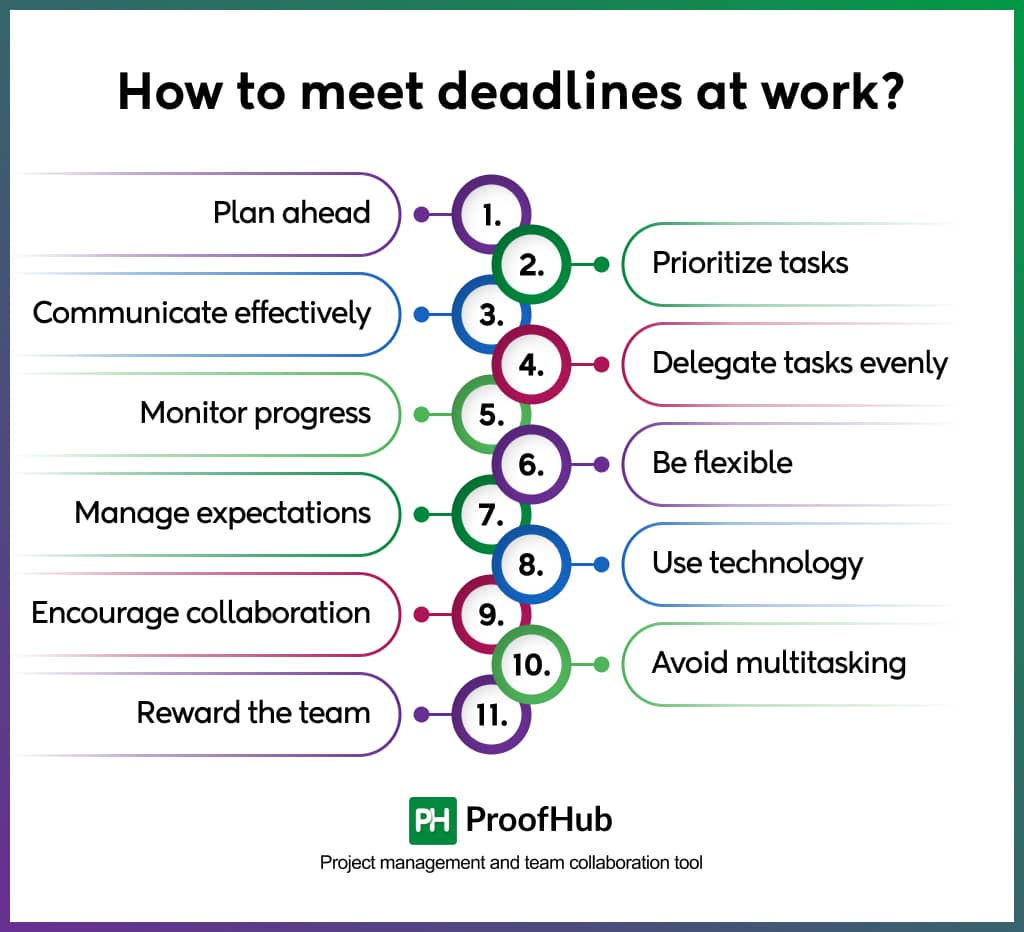
Developing a proactive and disciplined attitude towards deadlines is essential for consistent success in both professional and personal tasks. A deadline-oriented mindset not only ensures punctuality but also fosters a sense of responsibility and self-motivation that drives ongoing productivity. This mindset empowers individuals to anticipate challenges, manage their time effectively, and uphold commitments without unnecessary stress or last-minute rushes.A proactive approach to deadlines involves cultivating awareness of one’s habits, reflecting on past performances, and consciously adopting routines that reinforce punctuality.
Such an attitude transforms deadlines from mere obligations into opportunities for growth and achievement. By integrating specific habits and self-awareness practices into daily routines, individuals can build resilience against procrastination and enhance their overall reliability in meeting commitments.
Techniques to Develop a Proactive Attitude Towards Deadlines
Building a deadline-oriented mindset begins with intentional behavioral strategies that foster responsibility and foresight. Implementing the following techniques can significantly boost proactive attitudes:
- Setting Personal Deadlines Before Official Ones: Creating internal deadlines that precede official dates helps build buffer time, reduce last-minute pressure, and encourage early completion. For example, finishing a report two days before the actual deadline provides room for review and adjustments.
- Visualizing Consequences and Rewards: Mentally emphasizing the benefits of punctuality and the drawbacks of delays reinforces commitment. Visual cues, such as charts or progress trackers, serve as constant reminders of goals and deadlines.
- Adopting a Solution-Oriented Perspective: Viewing potential setbacks as challenges to be addressed rather than failures fosters resilience. Cultivating an attitude that seeks solutions proactively prepares one to handle unforeseen obstacles efficiently.
- Practicing Regular Self-Reflection: Periodically reviewing past deadline performances helps identify patterns, strengths, and areas for improvement. This reflection promotes continuous learning and adjustment of strategies.
Importance of Self-Awareness and Reflection on Past Performance
Self-awareness is a cornerstone of cultivating a deadline-oriented mindset, enabling individuals to recognize their strengths, tendencies, and areas needing improvement. By reflecting on past experiences with deadlines, one can identify recurring challenges such as overestimating capabilities, underestimating the time required, or succumbing to distractions.Engaging in honest self-assessment encourages accountability and fosters a growth-oriented attitude. For example, maintaining a journal that records deadline outcomes along with factors influencing performance helps recognize triggers for delays and successes.
Such insights enable individuals to tailor their time management strategies, set more realistic expectations, and cultivate habits that reinforce punctuality.
“Self-awareness about past deadline performance creates a foundation for consistent improvement and reinforces a proactive, deadline-driven approach.”
Examples of Daily Habits That Reinforce Punctuality and Accountability
Consistent daily habits serve as practical tools to embed a deadline-oriented culture into routine activities. These habits, when practiced regularly, reinforce punctuality and accountability, making meeting deadlines a natural part of one’s work ethic:
- Planning the Day Ahead: Reviewing and prioritizing tasks each morning ensures awareness of upcoming deadlines and sets clear objectives for the day.
- Using Timers and Alarms: Setting alarms for different tasks or milestones helps maintain focus and signals when to transition between activities, preventing drift from schedules.
- Breaking Tasks Into Smaller Steps: Dividing larger projects into manageable segments with individual mini-deadlines creates a structured pathway toward completion and reduces overwhelm.
- Maintaining a Task Tracker or Calendar: Regularly updating and reviewing a visual schedule keeps deadlines visible, fostering a sense of responsibility and urgency.
- Practicing Punctuality in Meetings and Commitments: Making it a daily habit to arrive early or complete tasks ahead of schedule sets a standard for accountability and reliability.
Each of these habits, consistently practiced, cultivates a mindset where deadlines are viewed as integral to personal success and professional integrity. Over time, such routines become automatic, reducing stress and increasing confidence in one’s ability to meet commitments reliably.
Final Summary
In conclusion, consistently meeting deadlines requires a blend of strategic planning, disciplined time management, and the right mindset. Embracing these practices not only improves productivity but also elevates your professional image. By implementing the techniques discussed, you can turn deadline management into a strength that drives your success and sets you apart in any work environment.