Mastering how to analyze data effectively is essential for transforming raw information into meaningful insights that drive informed decisions. This process involves understanding core principles, selecting appropriate tools, and applying best practices to ensure accuracy and clarity.
By following structured steps such as data collection, cleaning, visualization, and interpretation, individuals can unlock valuable patterns and trends within their datasets. Developing these skills enhances analytical accuracy and boosts confidence in the insights generated.
Data Collection and Preparation
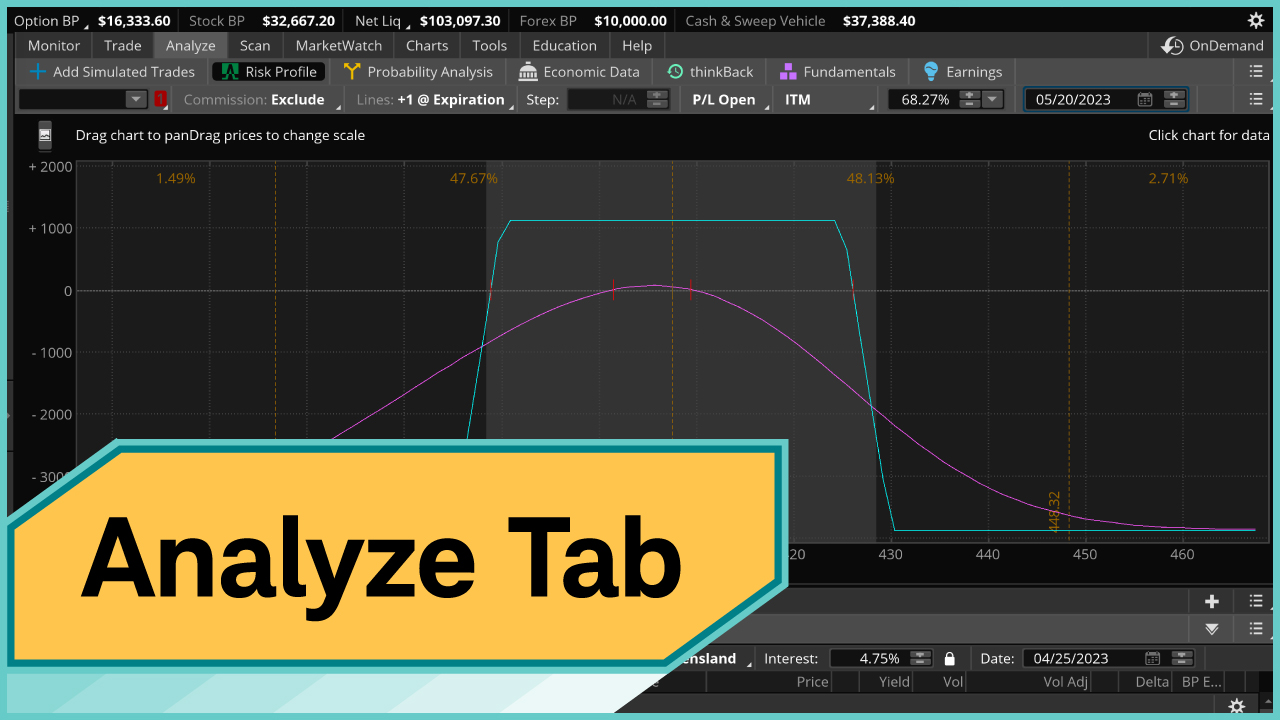
Effective data analysis begins with acquiring high-quality, reliable data and preparing it appropriately for insightful examination. The process involves identifying credible sources, ensuring data integrity, and meticulously cleaning and formatting datasets to facilitate accurate analysis. Proper data preparation not only enhances the validity of findings but also streamlines subsequent analytical procedures, making it a foundational step for successful data-driven decision-making.
In this phase, organizations and analysts focus on gathering data from trusted sources, validating its accuracy, and transforming raw information into a standardized format. This process includes handling missing values, removing inconsistencies, and normalizing data to ensure comparability across different datasets or measurement scales. A systematic approach to data collection and preparation thus underpins the overall quality and reliability of the analytical outcomes.
Procedures for Gathering Reliable Data Sources and Ensuring Data Integrity
Securing dependable data sources is crucial for meaningful analysis. Reliable sources include official databases, peer-reviewed publications, industry reports, and verified digital repositories. When collecting data, it is essential to verify the credibility of these sources and cross-check information where possible to minimize errors or biases.
Maintaining data integrity involves implementing checks at every stage of data collection, including:
- Utilizing secure and authenticated data transfer methods to prevent tampering or corruption.
- Documenting data provenance to track the origin and any modifications over time.
- Applying access controls and audit trails to monitor data handling activities.
Ensuring data integrity also necessitates periodic validation and verification processes, which help detect anomalies or inconsistencies early on, preserving data quality throughout the analysis lifecycle.
Steps for Cleaning, Formatting, and Normalizing Datasets
Transforming raw data into a ready-to-analyze format is a vital step that requires meticulous cleaning, formatting, and normalization. These procedures eliminate errors and standardize data, making it compatible with various analytical tools and methodologies.
Key steps include:
- Data Cleaning: Remove duplicate records, correct typographical errors, and identify inconsistencies. For example, standardize date formats to YYYY-MM-DD and correct misspelled categorical labels.
- Handling Missing Data: Address gaps in datasets by employing methods such as imputation, where missing values are estimated based on existing data, or omission, which involves removing incomplete records if they are not crucial.
- Data Formatting: Convert all data types to appropriate formats, such as transforming text to numerical values where necessary, and ensure consistent units of measurement across datasets.
- Data Normalization: Scale data to a common range or distribution to facilitate comparison and reduce bias. Techniques include min-max normalization, which rescales data to a 0-1 range, or z-score normalization, which standardizes data based on mean and standard deviation.
Validation, Handling Missing Data, and Standardization Techniques
Implementing validation techniques ensures the accuracy and consistency of datasets before analysis. These methods help identify outliers, verify data ranges, and confirm adherence to expected formats, thereby preventing errors from propagating into analytical models.
Validation techniques include statistical checks, such as calculating summary statistics to detect anomalies, and cross-validation against known benchmarks or external data sources.
Handling missing data is critical for maintaining dataset integrity and analytical robustness. Approaches include:
- Imputation methods—mean, median, mode, or more advanced techniques like multiple imputation—to estimate missing values based on available data.
- Omission of incomplete records—used when missing data is random and constitutes a small portion of the dataset.
Standardization techniques align datasets for easier comparison and interpretation. These include:
- Min-max normalization, which rescales data within a predefined range, typically 0 to 1.
- Z-score standardization, which transforms data based on mean and standard deviation, centering data around zero with a standard deviation of one.
Applying these methods ensures datasets are consistent, comparable, and ready for meaningful analysis, ultimately supporting more accurate and reliable insights.
Choosing the Right Analytical Tools and Techniques

Selecting appropriate analytical tools and techniques is a critical step in ensuring that data analysis yields accurate and actionable insights. The effectiveness of your analysis depends heavily on matching the right software, algorithms, and statistical methods to the nature of your data and your specific objectives. This process involves understanding the characteristics of your dataset, the complexity of the questions you aim to answer, and the available resources, including technical expertise and computational capacity.
In this section, we explore the criteria for selecting suitable analytical tools and techniques, compare different approaches tailored to various data types, and illustrate how to align data characteristics with specific methods through practical examples.
Criteria for Selecting Analytical Software, Algorithms, and Statistical Methods
Choosing the appropriate analytical tools involves evaluating several key criteria that ensure compatibility, efficiency, and accuracy in your analysis process:
- Data Compatibility: The software or algorithm must support the data format and size. For example, large-scale datasets may require big data tools like Apache Spark, while smaller datasets can be efficiently handled with Excel or R.
- Analytical Objectives: Clearly define whether the analysis aims at descriptive statistics, predictive modeling, or causal inference, which influences the choice of tools. For instance, regression analysis for prediction, or hypothesis testing for significance assessment.
- Technical Expertise: The familiarity and skill level of the analyst with specific tools or programming languages influence selection. User-friendly interfaces like Tableau are suitable for non-programmers, whereas Python or R offer advanced capabilities for experienced data scientists.
- Computational Resources: The available hardware, including processing power and memory, can constrain or enable certain techniques. High-performance computing may be necessary for complex machine learning models.
- Cost and Licensing: Budget considerations may determine whether open-source options like R or Python are preferred over proprietary software such as SAS or SPSS.
Comparison of Analytical Approaches for Various Data Types
Different data types require tailored analytical approaches. The following table provides an overview of common data types and suitable analytical methods, highlighting their typical applications and strengths.
| Data Type | Analytical Approach | Typical Usage | Strengths |
|---|---|---|---|
| Numerical (Continuous) | Regression Analysis, Statistical Summaries, Machine Learning Regression | Predicting sales, analyzing trends, modeling relationships between variables | |
| Numerical (Discrete) | Count Data Models, Chi-Square Tests | Customer counts, event frequencies, categorical outcome analysis | |
| Categorical | Logistic Regression, Decision Trees, Clustering | Customer segmentation, classification tasks, market basket analysis | |
| Time Series | ARIMA, Exponential Smoothing, Seasonal Decomposition | Forecasting sales, stock prices, economic indicators | |
| Textual | Natural Language Processing, Sentiment Analysis | Customer feedback analysis, social media monitoring |
Matching the data characteristics with the appropriate analytical approach is essential for extracting meaningful insights. For example, when analyzing sales data that fluctuate over time, time series models like ARIMA can capture seasonal patterns and trends effectively. Conversely, for customer survey data with categorical responses, logistic regression can determine influential factors affecting purchasing decisions.
Matching Data Characteristics with Specific Analytical Techniques
Understanding the intrinsic properties of your data enables you to select techniques that maximize analytical accuracy. Descriptive examples of this matching process include:
Analyzing high-dimensional textual data, such as social media comments, benefits from Natural Language Processing techniques, which can parse unstructured data, identify sentiment, and detect themes. For instance, a company monitoring brand reputation might use sentiment analysis to quantify positive or negative perceptions across thousands of social media posts.
In contrast, for structured numerical data from a manufacturing process, statistical control charts can monitor variations and identify potential quality issues in real-time, thus enabling proactive maintenance or adjustments.
Similarly, when working with large datasets with missing values, multiple imputation techniques can be employed to estimate and fill gaps, maintaining data integrity for subsequent analysis. The key is to consider data size, structure, distribution, and missingness to determine the most suitable analytical method, ensuring reliable and valid results.
Data Visualization Strategies

Effective data visualization is essential for transforming complex datasets into clear, actionable insights. It enables analysts and decision-makers to grasp patterns, trends, and anomalies quickly, facilitating better communication and more informed decisions. Employing appropriate visualization techniques and tools can significantly enhance the clarity and impact of data presentations, making the differences between raw data and meaningful narratives more pronounced.
Implementing robust visualization strategies involves selecting the right types of charts, designing intuitive dashboards, and adhering to visualization best practices that prioritize clarity, accuracy, and visual appeal. When executed thoughtfully, these strategies not only reveal hidden insights but also foster engaging storytelling with data, ensuring stakeholders understand the story behind the numbers.
Effective Data Visualization Techniques
To represent data visually in ways that uncover valuable insights, it is important to understand various visualization methods and their appropriate contexts. Different data types and analysis goals require tailored visual approaches. For instance, trends over time are best shown with line charts, while relationships between variables may be better depicted with scatter plots. Bar charts are useful for comparisons among categories, whereas pie charts can illustrate proportions within a whole.
Additionally, heatmaps reveal density and correlation patterns across large datasets, and dashboards synthesize multiple visualizations into a cohesive view for comprehensive analysis.
Designing clear and impactful visualizations depends on several key principles. Clarity should always be prioritized; avoid clutter, use meaningful labels, and choose color schemes that enhance understanding without causing confusion. Impactful visualizations often leverage visual hierarchy — emphasizing critical data points through size, color, or positioning — to guide viewers’ attention effectively. The use of annotations, tooltips, and interactive features can also deepen understanding, especially when presenting complex data to diverse audiences.
Visualization Tools and Best Practices
Choosing the right tools and adhering to best practices are fundamental for effective data visualization. The following list highlights some widely used tools and recommended practices:
- Tools:
- Tableau – Known for its user-friendly interface and interactive dashboards, suitable for business intelligence and complex data visualization.
- Power BI – Integrates seamlessly with Microsoft products, offering robust analytics and visualization capabilities for enterprise environments.
- Excel – Versatile for quick visualizations, especially for smaller datasets or preliminary analysis; includes pivot charts and conditional formatting.
- Python libraries (Matplotlib, Seaborn, Plotly) – Powerful for custom, automated visualizations, particularly useful for data scientists and analysts comfortable with programming.
- R packages (ggplot2, Shiny) – Ideal for statistical analysis and creating interactive visualizations within R environments.
- Best Practices:
- Prioritize simplicity: Use minimalistic designs that highlight key insights without unnecessary decoration.
- Choose appropriate chart types based on data and message, ensuring that visuals accurately represent the underlying information.
- Use consistent color schemes and labeling conventions to promote clarity and prevent misinterpretation.
- Incorporate contextual information, such as titles, legends, and annotations, to guide viewers through the narrative.
- Test visualizations across different devices and audiences to ensure accessibility and comprehension.
Effective data visualization is not just about creating attractive graphics; it involves choosing the right methods to clarify and communicate insights clearly and accurately.
Interpretation and Insight Generation
Accurately interpreting analysis results is a critical step in transforming raw data into actionable insights. It involves systematically examining the outcomes of analytical processes to uncover meaningful patterns, relationships, and anomalies. Effective interpretation enables organizations to make informed decisions, identify opportunities, and anticipate challenges. However, this process requires a structured approach to ensure insights are valid, relevant, and free from common misinterpretations.Understanding how to interpret data comprehensively is vital for translating statistical outputs into understandable and practical knowledge.
It involves not only reading the results but also contextualizing them within the specific business or research environment. By systematically approaching the interpretation process, analysts can ensure that their conclusions are supported by the data and that they capture the underlying story the data is telling.
Techniques for Identifying Trends, Outliers, and Patterns
Recognizing significant trends, outliers, and patterns within datasets is fundamental to effective data analysis. These elements often hold the key to uncovering underlying causes or predicting future behaviors. To systematically identify such features, analysts employ a variety of techniques:
- Time Series Analysis: Examining data points collected over time to detect underlying trends, seasonal variations, or cyclical patterns. For instance, analyzing monthly sales data can reveal peak periods and growth trajectories.
- Scatter Plots and Correlation Analysis: Visualizing relationships between variables helps identify linear or nonlinear associations, as well as potential outliers that do not fit the pattern.
- Statistical Outlier Detection: Applying methods such as Z-score calculation or the Interquartile Range (IQR) rule to mark data points that are significantly different from the norm, indicating anomalies or special cases.
- Clustering Algorithms: Using techniques like K-Means or hierarchical clustering to group similar data points, revealing hidden patterns or segments within the data.
- Heatmaps and Contour Plots: Visual tools that help detect dense areas, correlations, or anomalies across multidimensional data spaces.
Identifying these features requires a combination of visual inspection and quantitative methods, ensuring a comprehensive understanding of the dataset.
Validating Findings and Avoiding Misinterpretations
Ensuring the accuracy and reliability of insights necessitates rigorous validation and awareness of common pitfalls. Proper validation techniques help confirm that observed patterns are genuine and not artifacts of random variation or biased analysis:
- Cross-Validation: Using multiple subsets of data to test whether findings are consistent across different samples, reducing overfitting risks.
- Replication of Results: Reapplying analyses with different methods or datasets to verify the stability of the insights.
- Statistical Significance Testing: Employing tests such as t-tests or chi-square tests to determine whether observed relationships are statistically meaningful rather than due to chance.
- Sensitivity Analysis: Assessing how results change when key assumptions or parameters are modified, which helps identify robust insights versus fragile conclusions.
- Critical Evaluation of Data Quality: Ensuring the data used is accurate, complete, and free from biases that could distort interpretations.
Avoiding common misinterpretations involves maintaining awareness of spurious correlations—where two variables appear related but are not causally connected—and recognizing the limitations of the data and methods employed. Clear documentation of assumptions, methodologies, and validation results further supports the credibility of the insights generated.
Best Practices for Documentation and Reporting

Effective documentation and reporting are fundamental aspects of a robust data analysis process. They ensure transparency, facilitate reproducibility, and support informed decision-making. Properly documented analysis procedures and clear reports help stakeholders understand how conclusions were reached, which is critical for trust and validation. Moreover, consistent and comprehensive reporting allows future reference, auditability, and continuous improvement in analytical practices.Thorough documentation captures the entire lifecycle of data analysis, including data collection methods, transformation steps, analytical techniques employed, and assumptions made.
This transparency not only enhances credibility but also enables others to reproduce or validate findings independently. Well-structured reports and presentations distill complex insights into accessible formats, fostering effective communication with diverse audiences, from technical team members to executive stakeholders.
Components of Comprehensive Data Reports and Presentations
A well-crafted data report combines clarity, depth, and accessibility, ensuring that key insights are effectively communicated. It should encompass several core components:
- Introduction and Context: An overview of the analysis purpose, scope, and background information setting the stage for the findings.
- Methodology: Detailed description of data sources, collection procedures, preprocessing steps, and analytical techniques used, providing transparency and reproducibility.
- Results and Findings: Clear presentation of key findings, supported by visualizations and summary statistics that highlight significant patterns or anomalies.
- Discussion and Interpretation: Contextual analysis of results, exploring potential implications, limitations, and relevance to business or research questions.
- Conclusions and Recommendations: Summarized insights with actionable suggestions or strategic recommendations based on data-driven evidence.
- Appendices and References: Supplementary materials, detailed data tables, code snippets, or references to sources for further validation or review.
A presentation derived from the report should focus on visual summaries, emphasizing key messages, and be tailored to the audience’s familiarity with the data and analytical context. Visual aids such as charts, infographics, and dashboards play a vital role in making complex data accessible and engaging.
Structured HTML Table for Documentation and Reporting
A structured table helps organize critical elements of the analysis, ensuring comprehensive coverage and easy navigation. Below is a typical format for a data report or presentation Artikel:
| Section | Details |
|---|---|
| Methodology | Data Sources: Description of datasets used, including origin and relevance. Data Collection Methods: Procedures, tools, and protocols employed during data gathering. Preprocessing: Data cleaning, transformation, and feature engineering steps. Analytical Techniques: Statistical models, algorithms, or tools applied in analysis. |
| Findings | Summarized results with visualizations such as bar charts, line graphs, or heatmaps. > Key patterns, anomalies, or correlations identified during analysis. > Metrics and statistical significance where applicable. |
| Recommendations | Strategic suggestions based on insights, outlining actions or decisions. Potential areas for further analysis or data collection to enhance understanding. Considerations for implementation or operational adjustments. |
Using this structured approach ensures that reports are comprehensive, transparent, and accessible, ultimately fostering better understanding and stakeholder confidence in the data analysis outcomes.
Final Wrap-Up

In conclusion, effective data analysis combines foundational knowledge with practical techniques to extract reliable insights. Emphasizing meticulous preparation, appropriate tool selection, and clear communication ensures that data-driven decisions are both accurate and impactful. Mastering these strategies paves the way for success in any analytical endeavor.