Discover how to leverage three powerful AI tools to transform your daily work processes and significantly boost productivity. Integrating these innovative solutions can help streamline tasks, automate repetitive activities, and improve overall efficiency in your professional routine.
This guide provides a comprehensive overview of selecting, integrating, and automating with AI tools tailored to various tasks such as project management, content creation, and scheduling. By understanding their core functionalities and optimal use cases, you can optimize your workflows for better results and more effective time management.
Overview of AI Tools for Productivity

Integrating artificial intelligence (AI) tools into daily workflows has revolutionized the way professionals and organizations approach productivity. By leveraging advanced algorithms and machine learning capabilities, these tools automate routine tasks, enhance decision-making, and facilitate seamless collaboration, ultimately leading to increased efficiency and output quality.
Combining multiple AI applications allows users to address various aspects of their work—from content creation and project management to communication and data analysis—creating a comprehensive ecosystem that streamlines processes and saves valuable time. Each tool offers specialized functionalities that complement one another, enabling users to maximize their productivity with minimal effort.
Core Functionalities and Typical Use Cases of Selected AI Tools
Below is a detailed overview of three prominent AI tools designed to enhance productivity, their main features, and practical applications within professional settings. Understanding these tools’ core capabilities helps users identify how best to incorporate them into their daily routines.
| Tool Name | Main Features | Use Cases | Advantages |
|---|---|---|---|
| Kami |
|
|
|
| Trello with Butler AI |
|
|
|
| Grammarly |
|
|
|
Selecting the Right AI Tools for Specific Tasks
Choosing the appropriate AI tools tailored to particular productivity tasks is essential for maximizing efficiency and achieving desired outcomes. An informed selection process involves evaluating each tool’s capabilities, compatibility with existing workflows, and suitability for specific project or operational needs. By systematically assessing these factors, users can ensure their investments in AI technology deliver optimal results and streamline their processes effectively.
Implementing a strategic approach to compare AI tools enables organizations and individuals to make data-driven decisions. This process involves analyzing the features, strengths, and limitations of various options across different task categories such as project management, content creation, and scheduling. A structured evaluation guarantees that selected tools align with operational requirements and integrate smoothly into existing systems, ultimately enhancing productivity and reducing unnecessary resource expenditure.
Method to Evaluate AI Tools Based on Task Requirements and Compatibility
Effective evaluation of AI tools begins with clearly defining the specific requirements of each task. This involves identifying the core functionalities needed, such as automation capabilities, user interface preferences, integration possibilities, and scalability. Once these requirements are established, a systematic comparison allows for objective decision-making.
- Identify Task-Specific Needs: Clarify what the AI tool must accomplish. For instance, project management tools should facilitate task tracking and collaboration, while content creation tools should support writing, editing, and multimedia integration.
- Assess Compatibility: Ensure the AI tools can seamlessly integrate with existing platforms, databases, or communication channels. Compatibility reduces workflow disruptions and enhances user adoption.
- Analyze Features and Functionality: Compare key features such as automation depth, customization options, real-time analytics, and user support. Prioritize tools that offer the functionalities crucial to your tasks.
- Evaluate User Experience: Consider ease of use, interface design, and learning curve. User-friendly tools can accelerate adoption and reduce training costs.
- Review Scalability and Flexibility: Determine if the AI tools can grow with your needs and adapt to evolving tasks or workflows.
- Examine Cost-effectiveness: Analyze pricing models relative to features offered, ensuring the investment provides value aligned with your productivity goals.
Comparison of AI Tools for Project Management, Content Creation, and Scheduling
This comparison aims to provide a clear overview of popular AI tools across key productivity areas, facilitating informed choices based on task-specific strengths and limitations.
| Tool Name | Task Type | Strengths | Limitations |
|---|---|---|---|
| Asana with AI integrations | Project Management | Enhanced task automation, real-time collaboration, intuitive interface | Limited AI-driven analytics in basic plans, requires internet connectivity |
| Grammarly | Content Creation | Advanced grammar and style suggestions, contextual corrections, multilingual support | Limited creative content generation, premium features require subscription |
| Calendly with AI features | Scheduling | Automated meeting coordination, integration with multiple calendars, smart suggestions | Basic plan lacks advanced customization, some limitations in handling complex scheduling |
| Notion AI | Content Creation & Organization | AI-powered content generation, knowledge management, flexible workspace | Steep learning curve for advanced features, may require extensive setup |
Integrating AI Tools into Daily Workflows

Effectively incorporating AI tools into daily routines enhances productivity, streamlines processes, and fosters a more efficient work environment. The key to successful integration lies in understanding how each tool complements existing tasks and establishing a structured approach that encourages seamless collaboration between human effort and artificial intelligence. When AI tools are embedded thoughtfully into daily workflows, they become integral assets that support decision-making, automate routine activities, and facilitate better time management.
This section provides a step-by-step procedure for integrating three popular AI tools into your workday, along with a visual workflow diagram to illustrate their collaborative roles. By adopting these strategies, professionals can ensure a smooth transition to AI-enhanced productivity, reducing disruptions and maximizing the benefits of advanced technology.
Procedures for Seamless Integration of AI Tools
Implementing AI tools into existing routines requires a systematic approach that aligns technological capabilities with daily tasks. The following procedures serve as a guide to facilitate effective integration:
- Assessment of Current Workflow: Analyze your typical daily activities to identify repetitive tasks, decision points, and areas where automation or intelligent support can add value.
- Selection of Suitable AI Tools: Choose AI applications that directly address identified needs, such as AI-powered scheduling assistants, content generation tools, or data analysis platforms.
- Customization and Training: Configure each AI tool to align with your specific requirements. Provide necessary training or onboarding to ensure smooth adoption by yourself and your team.
- Incremental Implementation: Gradually incorporate AI tools into daily routines, starting with less critical tasks to monitor performance and address challenges without disrupting overall productivity.
- Establish Routine Protocols: Develop standard operating procedures that specify how and when to utilize each AI tool within your workflow, ensuring consistency and efficiency.
- Continuous Monitoring and Optimization: Regularly review the performance of integrated AI tools, gather feedback, and make adjustments to improve their effectiveness and ease of use.
Workflow Diagram Illustrating AI Tool Collaboration
Visualizing the integration process through a workflow diagram helps clarify how each AI tool interacts within a typical workday. The diagram demonstrates the sequential and collaborative functions of each tool, ensuring clarity and operational harmony.
| Workflow Step | AI Tool | Action | Expected Outcome |
|---|---|---|---|
| 1. Task Planning | AI Calendar Assistant | Analyzes your schedule, suggests optimal meeting times, and prioritizes tasks based on deadlines and importance. | Streamlined scheduling with minimized conflicts and better time allocation. |
| 2. Content Creation | AI Content Generator | Assists in drafting reports, emails, or presentations by providing relevant content and suggestions. | High-quality drafts that save time and maintain consistency in communication. |
| 3. Data Analysis & Reporting | AI Data Analytics Platform | Processes data inputs, identifies trends, and generates insightful reports. | Informed decision-making backed by real-time data insights. |
| 4. Review & Feedback | AI Review Tool | Checks documents or content for errors, consistency, and adherence to standards, providing constructive feedback. | Enhanced accuracy, professional presentation, and reduced revision cycles. |
By following these procedures and understanding the collaborative roles of each AI tool, professionals can embed artificial intelligence seamlessly into their daily work routines. This integration not only accelerates productivity but also allows for more strategic focus on tasks that require human judgment and creativity.
Automating Tasks with Multiple AI Tools
Integrating multiple AI tools to automate repetitive tasks significantly enhances productivity and reduces manual effort. By setting up tailored automation routines, users can streamline processes such as data entry, email responses, and report generation, freeing up valuable time for strategic activities. Proper configuration of these routines ensures seamless data flow between tools, minimizing errors and improving efficiency.
Implementing effective automation requires understanding how each AI tool functions and how they can be interconnected. This involves establishing triggers, defining actions, and setting conditions that allow the tools to work harmoniously. By doing so, organizations can create robust workflows that execute automatically, consistently delivering accurate results and accelerating task completion.
Setting Up Automation Routines Combining AI Tools
Creating automation routines involves identifying repetitive tasks and designing workflows that leverage the strengths of each AI tool. For example, an AI-powered data analysis tool can extract insights from raw data, which are then automatically formatted into a report by a document generation AI. Simultaneously, an email automation tool can send notifications or responses based on the report’s findings.
To set up these routines, follow these steps:
- Define clear objectives for each automation task, such as updating spreadsheets or responding to common email inquiries.
- Select AI tools that best fit each task based on their capabilities and integration options.
- Establish triggers, such as receiving a new email or an update in a data source, that initiate the automation flow.
- Configure actions within each tool to perform specific functions automatically, ensuring data moves smoothly from one tool to another.
- Test the automation thoroughly to identify and resolve any bottlenecks or errors.
Linking AI Tools for Automated Data Entry, Email Responses, and Report Generation
Linking AI tools effectively enhances operational workflows by creating interconnected systems that perform complex tasks autonomously. For instance, when incoming emails are automatically analyzed by an AI chatbot, relevant data can be extracted and entered into a CRM system without manual intervention. Similarly, insights generated by a data analysis tool can trigger report generation, which is then emailed to stakeholders automatically.
Common methods to link AI tools include:
- API integrations: Many AI tools offer API endpoints that enable direct communication and data transfer between applications. Utilizing RESTful APIs allows for customized automation flows tailored to specific needs.
- Automation platforms: Tools like Zapier, Microsoft Power Automate, or Integromat act as intermediaries that connect multiple AI services without extensive coding. They enable setting up workflows where the output of one tool triggers actions in another.
- Webhook configurations: Webhooks facilitate real-time data exchange, allowing AI tools to notify each other instantly when specific events occur, triggering subsequent actions.
For example, a webhook can notify a report generation AI once new data analysis is complete, prompting immediate report creation. The generated report can then be sent via email through an integrated email automation tool, completing the cycle efficiently.
Sample Automation Flowchart
Below is a simplified representation of a typical automation process integrating three AI tools to handle data entry, report generation, and email responses:
| Step | AI Tool Involved | Action | Result |
|---|---|---|---|
| 1 | Data Extraction AI | Automatically retrieve new data entries from an online form or database. | Data is collected and prepared for analysis. |
| 2 | Data Analysis AI | Analyze the extracted data to generate insights and summaries. | Insights are formatted into a report-ready document. |
| 3 | Report Generation AI | Create a comprehensive report based on analyzed data. | The report is generated and stored in a shared location. |
| 4 | Email Automation AI | Automatically send the generated report to relevant stakeholders. | Recipients receive timely updates without manual intervention. |
This automation flow ensures that repetitive data handling, analysis, and reporting tasks are executed seamlessly, minimizing manual effort and optimizing productivity across workflows.
Best Practices for Managing AI-Driven Productivity
Maintaining optimal efficiency and security while leveraging AI tools for productivity requires implementing effective management practices. As organizations increasingly integrate AI applications into daily workflows, establishing robust management protocols is essential to maximize benefits and mitigate potential risks. Proper oversight ensures that AI tools deliver accurate results, operate securely, and align with organizational goals.Effective management of AI-driven productivity involves continuous monitoring of tool performance, safeguarding sensitive data, and optimizing workflows to adapt to evolving needs.
These best practices help organizations harness the full potential of AI technologies while maintaining control and accountability.
Monitoring and Optimizing AI Tool Performance
Regular oversight of AI applications is crucial to ensure they function as intended and provide reliable outputs. Implementing systematic procedures for monitoring involves tracking key performance indicators (KPIs) such as accuracy, response times, and user satisfaction. Establishing feedback loops with users helps identify issues or inaccuracies promptly, allowing for timely adjustments.Automation of performance checks can facilitate ongoing evaluation, such as setting up dashboards that display real-time metrics or alerts for anomalies.
Periodic reviews should also include retraining AI models with updated data, especially when working with dynamic datasets or evolving tasks, ensuring the tools adapt to changing conditions and maintain high performance.
Maintaining Data Security and Privacy
Incorporating AI tools into workflows often involves handling sensitive or confidential information. Protecting data privacy and security is paramount to prevent breaches and uphold organizational compliance standards. This requires a comprehensive approach that includes data encryption, access controls, and regular security audits.When using multiple AI applications, it is essential to establish clear protocols on data handling, such as defining which data can be shared across platforms and ensuring secure data transfer methods.
Implementing role-based access control (RBAC) limits unauthorized access, while anonymizing data where possible minimizes exposure of personally identifiable information (PII). Compliance with regulations such as GDPR or HIPAA should guide data management practices, with documentation of all data processing activities.
Key Strategies for Effective AI Management
To optimize the integration of AI tools into productivity workflows, organizations should adopt the following strategies:
- Establish Clear Performance Metrics: Define specific KPIs for each AI tool aligned with organizational objectives, enabling consistent assessment of effectiveness and areas for improvement.
- Implement Continuous Monitoring: Use automated dashboards and regular audits to track AI performance, detect issues early, and ensure sustained accuracy and reliability.
- Prioritize Data Security Protocols: Enforce encryption, access controls, and secure data transfer practices to protect sensitive information across all AI applications.
- Maintain Compliance and Documentation: Keep detailed records of data processing activities and ensure compliance with relevant privacy regulations, facilitating audits and accountability.
- Foster User Training and Feedback: Educate users on best practices for AI tool utilization and solicit ongoing feedback to identify usability issues or improvement opportunities.
- Plan for Regular Updates and Retraining: Schedule periodic updates and retraining of AI models with new data to maintain accuracy and relevance amid changing operational environments.
“Effective management of AI tools is fundamental to realizing their full potential in improving productivity while safeguarding data integrity and security.”
Ultimate Conclusion
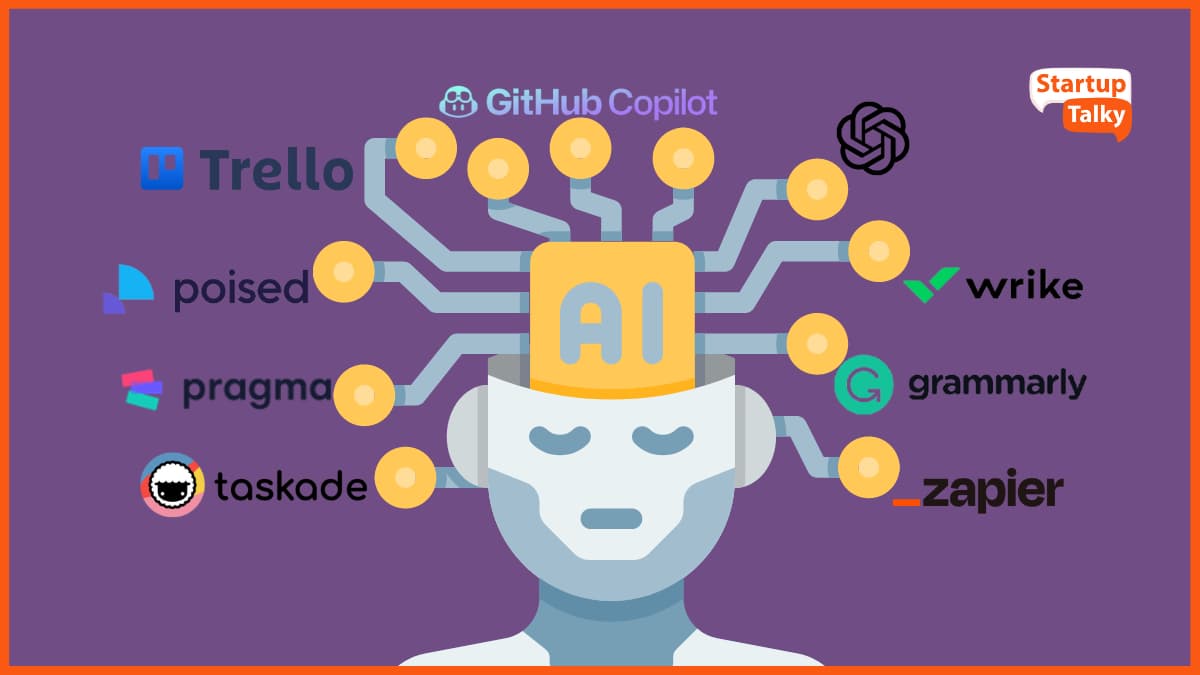
In summary, harnessing the capabilities of these three AI tools can lead to substantial improvements in productivity and workflow management. By carefully selecting, integrating, and automating their functions, you can achieve greater efficiency, save valuable time, and focus on more strategic aspects of your work. Embrace these technologies to stay ahead and maximize your potential.