Managing two urgent tasks simultaneously can be a challenging yet essential aspect of professional life. It requires strategic planning, disciplined focus, and effective communication to ensure both responsibilities are addressed efficiently without compromising quality.
This guide explores practical techniques for prioritizing tasks, maintaining concentration, communicating with stakeholders, managing stress, delegating responsibilities, and reflecting on performance to optimize your ability to handle multiple urgent situations gracefully.
Strategies for Managing Multiple Urgent Tasks Simultaneously
Handling two urgent tasks at once can be challenging, especially when they demand immediate attention and significant resources. Implementing effective management strategies ensures productivity is maintained without compromising quality or deadlines. The key lies in structured prioritization, resource allocation, and time management techniques that streamline the process, allowing you to address both tasks efficiently without feeling overwhelmed.
Employing these strategies involves a systematic approach that helps assess the urgency and importance of each task, allocate appropriate time and resources, and maintain flexibility to adapt to any unforeseen changes. The following methods serve as practical tools for managing dual urgent responsibilities successfully.
Effective Time Management Techniques for Handling Two Urgent Tasks
Managing multiple urgent tasks requires a combination of disciplined planning and dynamic execution. The following techniques are vital in ensuring both tasks are addressed promptly and effectively:
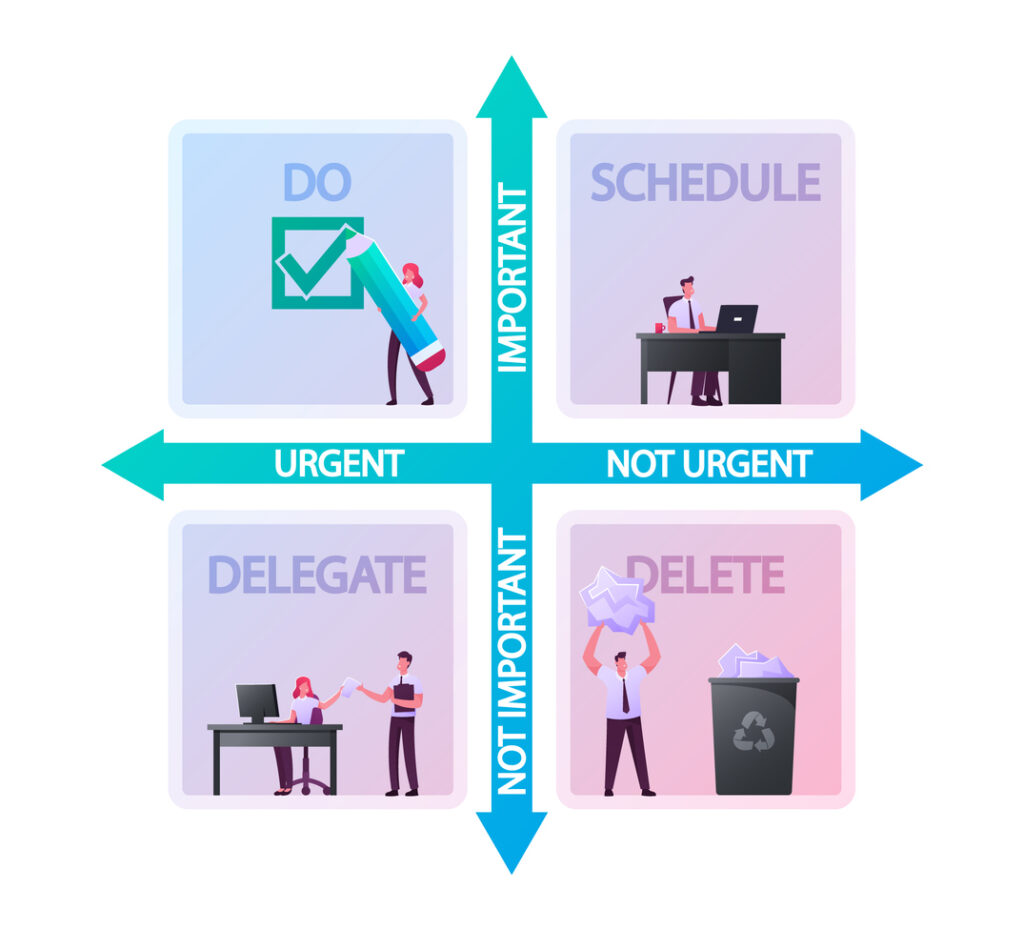
- Prioritize Based on Impact and Deadlines: Assess which task has a more immediate deadline or greater impact on overall objectives. Use tools like the Eisenhower Matrix to categorize tasks by urgency and importance.
- Allocate Focused Time Blocks: Divide your available time into dedicated blocks for each task, minimizing context switching. Use techniques such as the Pomodoro Technique to maintain focus and productivity.
- Utilize Resource Delegation: Identify tasks or subtasks that can be delegated to team members, freeing your capacity to manage critical elements more effectively.
- Set Clear Short-Term Goals: Break each task into smaller, manageable objectives with immediate deadlines, making progress measurable and less overwhelming.
- Maintain Flexibility and Monitor Progress: Regularly review your progress and adjust your schedule as needed, ensuring that shifting priorities are accommodated without sacrificing quality.
Step-by-Step Process for Prioritizing and Resource Allocation
Efficiently managing two urgent tasks involves a structured sequence that ensures optimal use of your time and resources. The following Artikels a systematic approach:
- Identify and List Tasks: Clearly define both tasks, noting specific deliverables, deadlines, and resource requirements for each.
- Evaluate Urgency and Importance: Use a decision matrix or priority scale to determine which task to address first based on urgency, potential impact, and resource availability.
- Estimate Time and Resources Needed: For each task, allocate realistic timeframes and determine necessary resources, including personnel, tools, and information.
- Allocate Resources and Schedule Tasks: Assign tasks to appropriate team members if applicable, and block out time in your schedule dedicated to each task. Use calendar tools to visualize and prevent overlaps.
- Implement and Monitor: Execute the tasks according to the plan, continuously monitoring progress and resource utilization. Be prepared to reprioritize if new information or urgent issues arise.
Organizational Method: Task Prioritization Table
Organizing tasks in a clear, visual format helps facilitate quick decision-making and resource distribution. Below is a sample table illustrating how to structure the prioritization process effectively:
| Task Description | Priority Level | Time Allocated | Outcome Expected |
|---|---|---|---|
| Prepare Client Presentation for Project A | High | 2 hours today, 1 hour tomorrow | Deliver a comprehensive presentation aligned with client expectations |
| Finalize Budget Report for Department | Medium | 3 hours over two days | Accurate and timely submission to management |
In this table, tasks are categorized by priority, with specific time frames and anticipated results. Such organization ensures clarity and focused effort, enabling efficient management of multiple urgent responsibilities.
Techniques to Maintain Focus and Avoid Distractions During Urgent Tasks
Maintaining focus amidst multiple urgent responsibilities can be challenging, especially when external distractions threaten to divert attention from high-priority tasks. Employing effective techniques to minimize interruptions and create an environment conducive to concentration is essential for productivity and quality of work. This section explores practical strategies to sustain focus and mitigate disruptions during critical periods of work.Creating a work environment that promotes focus involves intentional adjustments to both physical space and digital settings.
By establishing clear boundaries and implementing structured routines, professionals can significantly reduce the likelihood of distractions. This not only enhances efficiency but also prevents burnout caused by constant interruptions.
Strategies to Minimize Interruptions and Enhance Focus
In high-pressure situations where managing multiple urgent tasks is necessary, it is vital to adopt specific practices that help maintain concentration. The following approaches have been proven effective in reducing distractions and fostering an environment optimized for focus:
Implementing structured work periods, controlling digital notifications, and setting clear boundaries are foundational to sustaining attention during demanding tasks. These techniques ensure that energy and mental resources are directed toward the most critical responsibilities without unnecessary interruptions.
- Set Timers for Focused Work Sessions: Allocate specific blocks of uninterrupted time, such as 25- or 50-minute intervals, using timers. This approach, known as the Pomodoro Technique, helps maintain a sense of urgency while allowing for short breaks to refresh focus.
- Silence or Disable Notifications: Turn off notifications from emails, messaging platforms, and social media during work periods. Use “Do Not Disturb” modes or dedicated apps that block distracting alerts, ensuring that attention remains on the task at hand.
- Segment Work into Manageable Blocks: Break large tasks into smaller, well-defined segments, allowing for clear objectives within each period. This segmentation makes progress visible and prevents feeling overwhelmed, thereby maintaining motivation and focus.
- Designate a Dedicated Workspace: Choose a physical environment free from distractions, clutter, and noise. If possible, establish a specific area solely for high-priority work, signaling to others that focus is required.
- Use Visual Cues and Boundaries: Employ visual indicators, such as signage or colored flags, to communicate when you are engaged in critical tasks. This discourages interruptions from colleagues or family members and reinforces your focus period.
- Practice Mindfulness and Brief Breaks: Incorporate short mindfulness exercises or breathing techniques during work intervals to reset mental clarity. Regular breaks prevent fatigue, maintaining a steady level of concentration over extended periods.
Consistently applying these techniques can create a disciplined work rhythm that enhances concentration, reduces stress, and improves overall productivity when handling multiple urgent responsibilities simultaneously. Recognizing the importance of a conducive environment and structured work practices ensures that high-priority tasks are completed efficiently and effectively.
Effective Communication with Stakeholders When Managing Urgent Tasks

Managing two urgent tasks simultaneously requires not only efficient prioritization and execution but also clear and timely communication with all stakeholders involved. Keeping team members, clients, and other interested parties informed about progress, challenges, and next steps is vital to maintain trust, facilitate collaboration, and ensure expectations are aligned during high-pressure situations.
Effective communication strategies are fundamental for navigating the complexities of urgent tasks. They help prevent misunderstandings, reduce uncertainties, and foster transparency. By adopting structured communication practices, professionals can ensure that everyone remains well-informed and engaged, ultimately supporting the successful completion of critical work under tight deadlines.
Strategies for Communicating Updates on Urgent Tasks
When handling multiple urgent tasks, communication should be concise, accurate, and timely. Here are essential strategies to enhance stakeholder engagement:
- Regular Status Updates: Schedule brief, consistent updates—such as daily or after key milestones—to keep stakeholders apprised of progress.
- Use Clear and Specific Language: Avoid jargon or ambiguous terms. Clearly describe what has been accomplished, what challenges are encountered, and what support may be needed.
- Identify and Communicate Risks Promptly: Warn stakeholders of potential delays or issues early, along with proposed solutions or required actions.
- Leverage Multiple Communication Channels: Utilize emails, instant messaging, video calls, or project management tools to ensure messages are received and acknowledged promptly.
- Maintain Transparency: Share both successes and setbacks honestly. Transparency builds trust and prepares stakeholders for potential adjustments.
By implementing these strategies, project managers can foster a collaborative environment, ensuring everyone is aligned and responsive throughout the course of urgent tasks.
Templates and Scripts for Clear, Concise Updates
Structured templates streamline communication, making updates consistent and easy to understand. Below are recommended templates and scripts tailored for different update needs:
Brief Status Update Template:
Subject: Update on [Task Name] – [Date]
Dear [Stakeholder Name],I wanted to provide a quick update on the current status of [Task Name]. As of today, we have completed [list key milestones or activities]. We are facing [briefly describe any issues or delays], and we are actively working on solutions. Next steps include [Artikel upcoming actions].
Please let me know if you need further details or have specific concerns.Best regards,
[Your Name]
Detailed Progress Report Script:
Dear [Stakeholder Name],I am reaching out to inform you about the progress of [Task Name]. Currently, we have achieved [specific accomplishments], which positions us well for the upcoming phase. However, we have encountered [describe challenges], which are being addressed through [solutions or mitigation strategies].
Our next steps involve [detailed upcoming actions], with an estimated timeline of [timeframe]. We will continue to monitor progress and keep you updated regularly.Please do not hesitate to reach out for further clarification or support.
Best regards,
[Your Name]
Structured Format for Reporting Progress
Using a standardized reporting format ensures clarity and consistency in stakeholder communication. An effective approach is to present updates in a tabular format, highlighting vital information at a glance.
| Stakeholder | Task | Update | Next Steps |
|---|---|---|---|
| Client A | Design Review | Completed initial sketches; awaiting approval. Encountered minor delays due to resource availability. | Obtain client feedback by end of week; adjust designs accordingly. |
| Team Member B | Implementation Phase | 70% of coding completed; testing phase scheduled next. Facing some technical challenges with integration. | Resolve integration issues; proceed with testing by mid-next week. |
| Stakeholder C | Budget Approval | Budget proposal submitted; awaiting review. No issues reported so far. | Follow up for feedback; prepare revised estimates if required. |
Adopting this systematic reporting approach helps all parties stay informed, prepared, and proactive in addressing emerging issues during urgent project phases.
Handling Stress and Maintaining Productivity Under Pressure

Managing multiple urgent tasks can be highly stressful, especially when the stakes are high and deadlines are tight. Staying calm and focused during such times is essential to ensure productivity remains high without compromising well-being. Effective stress management techniques not only help sustain performance but also prevent burnout and foster a resilient mindset, enabling individuals to navigate pressure with confidence.Maintaining productivity under pressure requires deliberate strategies that cultivate mental clarity, emotional stability, and physical well-being.
Employing quick stress-relief techniques can make a significant difference in sustaining focus and efficiency during hectic periods.
Methods to Stay Calm and Focused Amid Multiple Urgent Responsibilities
In high-pressure situations with overlapping deadlines, adopting specific methods can significantly influence your ability to remain composed and effective. These techniques are designed to reduce anxiety, sharpen concentration, and foster a sense of control over challenging circumstances.
Implementing the following practices consistently can help in maintaining a balanced mental state:
- Deep Breathing Exercises: Engage in diaphragmatic breathing by inhaling slowly through the nose for a count of four, holding the breath for a count of four, then exhaling gradually through the mouth for a count of four. This practice activates the parasympathetic nervous system, reducing stress hormones like cortisol and inducing a state of calm.
- Quick Breaks for Mental Reset: Schedule short, frequent breaks—ideally 2-5 minutes—every hour. During these intervals, step away from your workspace, stretch, or focus on a calming activity such as listening to soothing music. Brief pauses help prevent mental fatigue and restore focus.
- Mental Reframing: Shift perspective by viewing challenges as opportunities rather than threats. Affirmations like “I can handle this” or visualizing successful task completion can boost confidence and reduce anxiety. Reframing negative thoughts helps maintain a positive outlook and keeps stress levels manageable.
- Prioritization and Chunking: Break down complex tasks into smaller, manageable segments. Focus on completing one chunk at a time, which makes the workload feel less overwhelming and enhances a sense of achievement.
- Maintain a Structured Routine: Consistency in work habits provides predictability, reducing uncertainty and stress. Use checklists and time-blocking to stay organized and on track.
Incorporating these methods into daily routines fosters resilience, enabling individuals to confront urgent tasks with a clear mind and steady nerves. Over time, these practices become ingrained habits that support sustained productivity and emotional well-being, even under significant pressure.
Delegation and Collaboration to Manage Two Urgent Tasks Effectively
Managing multiple urgent tasks often requires not only personal effort but also strategic delegation and collaboration. Properly leveraging team members’ strengths and ensuring clear communication can significantly enhance productivity and reduce stress under tight deadlines. Effective delegation involves assessing tasks for suitability, assigning responsibilities with clarity, and establishing monitoring mechanisms to ensure accountability. When executed correctly, this approach facilitates swift task completion while maintaining quality standards.Delegation and collaboration are integral to handling simultaneous urgent tasks efficiently.
By distributing workload appropriately and fostering team engagement, managers and professionals can prevent burnout, improve workflow, and achieve timely results. Properly coordinated efforts ensure that each task is addressed with the necessary attention, leveraging collective expertise to meet critical deadlines without compromising performance.
Identifying Tasks Suitable for Delegation and Assigning Responsibilities
Recognizing which tasks can be delegated is crucial for effective management. Tasks that are routine, time-consuming, or require specific expertise not central to your core responsibilities are ideal candidates for delegation. For example, data entry, preliminary research, or scheduling can often be handled by capable team members, freeing you to focus on strategic decision-making or customer interactions.When assigning responsibilities, consider each team member’s skills, experience, current workload, and capacity.
Clearly define the scope of the task, expectations, and deadlines to avoid misunderstandings. Providing detailed instructions and necessary resources ensures that delegated tasks are completed accurately and efficiently.
Monitoring Delegated Tasks and Ensuring Accountability
Establishing a structured process to track delegated tasks fosters accountability and keeps projects on track. Regular check-ins, progress updates, and open communication channels enable prompt identification of obstacles and facilitate timely support.Implementing tools such as project management software or shared task lists can enhance visibility. These tools allow managers to monitor progress, update timelines, and reallocate resources if necessary. Setting clear milestones and performance indicators provides measurable benchmarks for success, ensuring delegated responsibilities align with overall objectives.
Effective oversight balances trust and accountability, empowering team members while maintaining control over urgent task outcomes.
Example Workflow for Delegating and Tracking Urgent Tasks
| Task | Delegated To | Deadline | Current Status |
|---|---|---|---|
| Prepare client report | John Smith | October 25, 2023 | In progress |
| Update website content | Emily Davis | October 24, 2023 | Completed |
| Coordinate with vendor for delivery | Michael Lee | October 25, 2023 | Pending |
| Review legal documents | Sarah Johnson | October 24, 2023 | In review |
Post-Task Reflection and Process Improvement
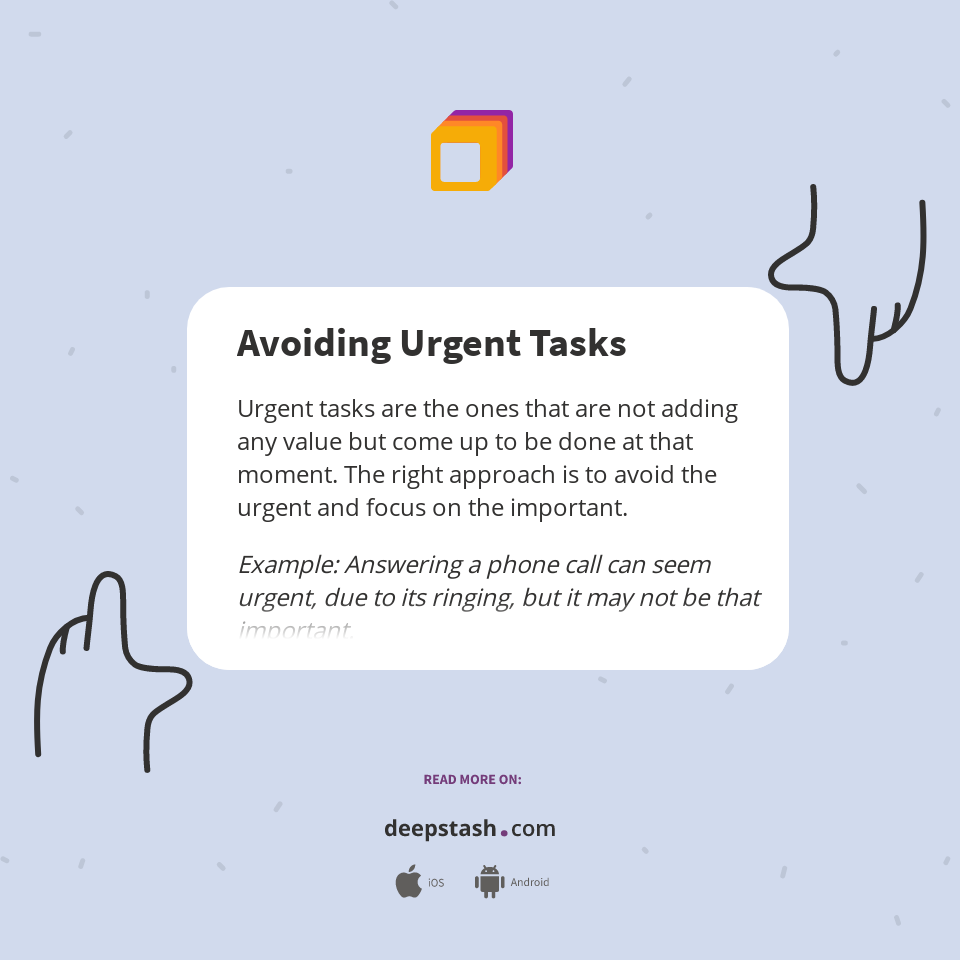
Effective management of two urgent tasks does not conclude once the tasks are completed. Instead, it is crucial to reflect on the process, identify successes and challenges, and implement improvements. Reflection fosters continuous growth, enhances future performance, and refines strategies for handling similar situations more efficiently. It ensures that lessons learned translate into actionable insights, ultimately strengthening overall productivity and decision-making under pressure.Analyzing how two urgent tasks were handled simultaneously provides valuable feedback on the efficiency of existing strategies, the effectiveness of communication, delegation, and personal focus.
This process allows teams and individuals to recognize areas of strength that can be leveraged further, as well as weaknesses that require targeted improvement. Regular post-task reviews cultivate a culture of learning, adaptability, and resilience, essential qualities in dynamic work environments.
Steps to Analyze Successes and Challenges
Understanding what worked well and what posed difficulties during the management of two urgent tasks is fundamental for continuous improvement. The following steps Artikel a structured approach to conducting this analysis:
- Gather Relevant Data and Feedback: Collect information on the actions taken during the tasks, including timelines, communication records, delegation logs, and stakeholder feedback. This comprehensive data provides a factual basis for evaluation.
- Identify Key Successes: Highlight strategies or actions that contributed to completing the tasks effectively. For example, effective prioritization, clear communication, or prompt delegation may have played pivotal roles.
- Recognize Challenges and Bottlenecks: Acknowledge the obstacles encountered, such as unexpected disruptions, miscommunication, or resource constraints. Document specific instances where difficulties arose.
- Conduct a Root Cause Analysis: For each challenge, analyze underlying causes to prevent recurrence. For instance, if miscommunication caused delays, assess whether information was unclear or channels were inadequate.
- Gather Insights from Stakeholders and Team Members: Facilitate debrief sessions to gain diverse perspectives. Stakeholders may offer feedback on communication clarity, while team members can share insights into workload management.
- Compare Planned Strategies Versus Actual Outcomes: Evaluate how initial plans and strategies fared against real-time execution. Determine whether adjustments could have enhanced efficiency.
Documenting Lessons Learned and Updating Future Strategies
Creating a structured record of lessons learned ensures that insights are preserved and integrated into future planning. A systematic approach aids in continuous improvement and helps prevent repeated mistakes. The following method facilitates effective documentation:
- Develop a dedicated lessons learned document or digital repository accessible to relevant team members.
- Summarize each incident by describing the context, actions taken, outcomes, and key observations.
- Highlight specific strategies that contributed to success, such as prioritization techniques or communication methods.
- Identify challenges and root causes, proposing practical solutions or adjustments.
- Translate lessons into actionable recommendations, like refining delegation procedures or implementing new communication protocols.
- Schedule regular review sessions to revisit and update the lessons learned document, especially after handling multiple urgent tasks.
- Incorporate lessons into training programs, checklists, and contingency plans to embed continuous improvement into organizational culture.
“Continuous reflection and documentation turn experience into knowledge, enabling teams to handle future urgent tasks more adeptly and with greater confidence.”
Closing Notes
Successfully managing two urgent tasks at once relies on a combination of organized strategies, clear communication, and self-awareness. Implementing these methods can help you stay productive under pressure while maintaining high standards and continuous improvement for future challenges.