Mastering how to plan daily work in 3 steps can significantly enhance your productivity and reduce stress. This streamlined approach helps you focus on what truly matters, organize tasks efficiently, and allocate your time wisely. By adopting this method, you can transform chaotic days into structured and fulfilling ones, ensuring that each day is productive and purpose-driven.
This process involves setting clear priorities, breaking down tasks into manageable actions, and scheduling your day with strategic time blocks. Implementing these steps consistently allows you to manage your workload effectively, overcome common planning challenges, and create a routine that supports continuous improvement and success.
Introduction to Effective Daily Work Planning
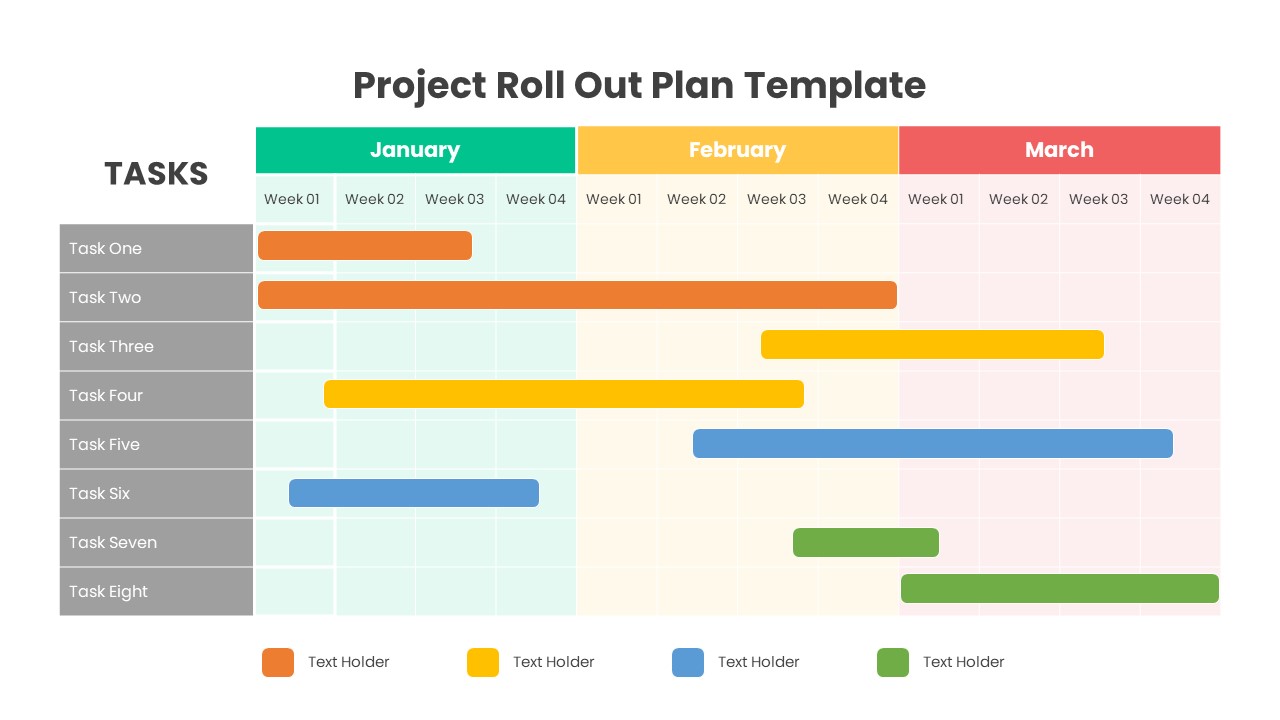
Structured daily work planning is a cornerstone of productive and efficient professional practice. It allows individuals to optimize their time, prioritize critical tasks, and maintain focus throughout the day. By establishing a clear plan, professionals can reduce stress, avoid last-minute rushes, and ensure that important objectives are met consistently.
Implementing a systematic approach to daily planning offers numerous benefits, including enhanced time management, increased accountability, and a better understanding of workload distribution. It promotes a proactive mindset, enabling individuals to anticipate challenges and allocate resources appropriately. A well-designed three-step planning method simplifies this process, making it accessible and sustainable for everyday use.
Common Challenges in Daily Work Planning
Despite the clear advantages, many professionals encounter obstacles when trying to organize their daily tasks. These challenges include underestimating task duration, losing sight of priorities amid interruptions, and feeling overwhelmed by a long to-do list. Additionally, inconsistent planning habits can lead to inefficiency and missed deadlines.
Adopting a simplified three-step planning approach can effectively address these issues by encouraging clarity and focus. This method helps break down complex responsibilities into manageable segments, ensures that high-priority activities are addressed first, and fosters consistent planning routines. Ultimately, such an approach enhances overall productivity and reduces the mental burden associated with daily task management.
Step 1: Setting Clear Priorities for the Day
Effective daily work planning begins with establishing clear priorities that help focus attention on the most impactful tasks. Identifying what truly matters ensures that time and energy are allocated efficiently, fostering productivity and reducing stress caused by ambiguous task management. This step involves assessing tasks based on their urgency and significance, enabling you to develop a structured approach to your day.
Prioritization is essential because it allows you to handle high-impact activities first and avoid wasting time on less important activities that do not contribute significantly to your goals. By clarifying priorities early, you create a strategic foundation for the rest of your planning process, ensuring that critical deadlines are met and key objectives are advanced consistently.
Methods to Identify High-Impact Tasks and Urgent Activities
Determining which tasks are most important requires a systematic approach to evaluate their impact and urgency. Several techniques can help you distinguish between tasks that require immediate attention and those that can be deferred. These methods enable quick decision-making and effective prioritization at the start of each day.One effective method is the Eisenhower Matrix, which categorizes tasks based on two criteria: importance and urgency.
This matrix divides tasks into four quadrants, allowing for clear visualization of priorities:
Quadrant 1
Urgent and Important – Tasks that require immediate attention and have significant consequences if delayed.
Quadrant 2
Important but Not Urgent – Tasks that contribute to long-term goals but do not need immediate action.
Quadrant 3
Urgent but Not Important – Tasks that demand prompt responses but may not contribute substantially to objectives.
Quadrant 4
Neither Urgent nor Important – Activities that are distractions or low-value tasks.Another method involves using a simple priority scoring system where tasks are rated on a scale from 1 to 5 for importance and urgency. Tasks with high scores in both categories are addressed first.Leveraging digital tools like task management apps can facilitate quick assessments. Features such as labels, tags, or priority flags help in assigning urgency and importance swiftly, providing a visual cue for prioritization.
Priority Levels and Corresponding Tasks
Understanding and categorizing your tasks according to priority levels ensure clarity and focus throughout the day. Below is a table illustrating different priority levels and the types of tasks that typically fall under each, aiding in quick recognition and appropriate action:
| Priority Level | Description | Typical Tasks |
|---|---|---|
| High Priority | Tasks that are urgent and essential for achieving immediate goals or meeting deadlines. |
|
| Medium Priority | Important for long-term success but not urgently required today. |
|
| Low Priority | Tasks with minimal immediate impact that can be deferred or delegated. |
|
Strategies such as setting strict time limits for low-priority activities or delegating them can prevent these tasks from encroaching on more important work. Additionally, adopting a habit of daily review of your task list to reassess priority levels ensures flexibility and responsiveness to changing circumstances.By systematically applying these methods and tools, you can effectively set clear priorities for each day, laying the groundwork for a productive and organized work routine.“Focusing on high-priority tasks first ensures that critical objectives are achieved, while lower priority activities are scheduled appropriately or eliminated to optimize productivity.”
Step 2: Organizing Tasks into Actionable Steps
Once priorities for the day have been established, the next crucial step in effective daily work planning is to organize tasks into clear, manageable actions. Breaking down complex tasks into smaller segments ensures each action is achievable within a reasonable timeframe, reducing overwhelm and increasing productivity. Proper organization also provides clarity, enabling you to focus on one step at a time and track progress systematically.
This process involves dissecting larger projects into specific, actionable components, assigning appropriate time estimates, and utilizing visual tools to enhance understanding and workflow. Implementing these strategies helps transform broad objectives into concrete steps, making daily work more structured and attainable.
Breaking Down Complex Tasks into Manageable Actions
Effective task segmentation starts by analyzing the overall goal and identifying the fundamental actions needed to accomplish it. This approach prevents procrastination caused by ambiguity and facilitates focused effort on each component. When breaking down tasks, consider the following methods:
- Identify the major milestones or deliverables associated with the task.
- List the specific actions required to reach each milestone.
- Ensure each action is detailed enough to be completed without further subdivision.
- Prioritize steps based on their logical sequence and importance.
For example, if the task is to prepare a client presentation, the segmentation might include researching the client, creating slides, reviewing content, and practicing delivery. Each of these can be further broken down into smaller, actionable steps, such as gathering data, designing slide templates, or rehearsing specific sections.
Using Visual Aids for Task Clarity
Visual tools like checklists and flowcharts are instrumental in clarifying task sequences and ensuring nothing is overlooked. Checklists serve as straightforward reminders of what has been completed and what still needs attention. Flowcharts, on the other hand, illustrate the process flow, showing dependencies and decision points, which helps in understanding complex procedures at a glance.
“Visual aids simplify complex processes, making task management more transparent and organized.”
For instance, creating a flowchart for a multi-step project helps visualize the progression from initial planning to final delivery, highlighting points where additional review or decision-making is required.
Allocating Time Estimates to Each Step
Assigning realistic time estimates to each task or action enhances planning accuracy and promotes time discipline. When estimating, consider factors such as task complexity, your familiarity with the task, and potential interruptions. A practical approach involves:
- Reviewing historical data or experience with similar tasks.
- Breaking down the task into smaller units and estimating time for each based on prior performance.
- Adding buffer time to accommodate unforeseen delays or adjustments.
For example, if preparing a report typically takes three hours, allocate specific blocks of around 45 minutes to each section, with additional buffer time for revisions. This granular approach helps prevent last-minute rushes and improves the overall quality of work.
Step 3: Scheduling and Time-Blocking for Optimal Productivity

Effective scheduling and strategic time-blocking are crucial components of daily work planning that significantly enhance productivity. By allocating specific time slots to different tasks, individuals can create a structured environment that minimizes distractions and maximizes focus. This step ensures that work periods are purposeful, and resources are efficiently utilized, leading to a more organized and less stressful workday.Designing an effective schedule involves dividing your day into segments dedicated to specific activities, aligning with your prioritized tasks.
A well-structured schedule not only clarifies what needs to be done but also provides a clear roadmap for accomplishing goals within designated timeframes. Incorporating flexible adjustments allows you to respond to unexpected tasks or shifts in workload, maintaining productivity without feeling overwhelmed.
Creating a Responsive Schedule with Time Blocks
To optimize daily productivity, establishing a responsive schedule with clearly defined time blocks is essential. Start by identifying the most productive periods of your day, such as morning or early afternoon, and assign high-priority or complex tasks during these windows. Use a table to organize your schedule, which can include up to four columns:
| Time Block | Task | Priority | Notes |
|---|---|---|---|
| 8:00 – 9:30 AM | Respond to emails, review daily goals | High | Limit email responses to 30 minutes to maintain focus |
| 10:00 – 11:30 AM | Work on project milestone | High | Focus on core deliverables, avoid interruptions |
| 1:00 – 2:00 PM | Team meeting and updates | Medium | Prepare agenda in advance to ensure efficiency |
| 3:00 – 4:00 PM | Administrative tasks and planning for tomorrow | Low | Wrap up work, update to-do list |
Including notes provides guidance on how to approach each task, emphasizing time management strategies and focus areas. Tailoring your schedule based on task complexity and energy levels helps maintain momentum throughout the day.
Balancing Work Periods with Breaks and Adjustments
Maintaining a balance between work and rest is vital for sustained productivity and mental clarity. Incorporate short breaks of 5-10 minutes every 60-90 minutes to prevent fatigue and promote alertness. Techniques such as the Pomodoro Technique, which involves 25-minute focused work sessions followed by 5-minute breaks, can be highly effective.Effective planning also involves flexibility. As the day progresses, monitor your progress and be prepared to adjust your schedule accordingly.
If a task takes longer than expected, shift less urgent activities to later slots or consider rescheduling non-critical tasks. Use a simple system such as marking completed tasks or reordering remaining tasks to reflect real-time priorities. This adaptive approach helps avoid frustration and keeps you on track to meet your goals without unnecessary stress.
End of Discussion
In conclusion, adopting the three-step planning approach provides a practical framework to optimize daily productivity. By focusing on priorities, organizing tasks clearly, and scheduling thoughtfully, you can make every day more efficient and less stressful. Consistent application of these steps fosters discipline and adaptability, turning planning into a powerful tool for achieving your goals with confidence and ease.