Managing office supplies is a vital aspect of maintaining a productive and organized workspace. Implementing effective strategies ensures that your team has the necessary resources without unnecessary waste or overspending. With a structured approach, you can streamline procurement processes, optimize storage solutions, and maintain accurate inventory levels, ultimately fostering a more efficient office environment.
This comprehensive guide explores essential methods for assessing needs, organizing supplies, implementing management procedures, selecting suitable products, and utilizing digital tools. By adopting these practices, your organization can achieve better cost control, reduce waste, and respond swiftly to urgent supply demands, creating a seamless workflow for all staff members.
Assessing Office Supply Needs
Efficient management of office supplies begins with a thorough assessment of current inventory levels and usage patterns. This process ensures that the organization maintains adequate stock to support daily operations while avoiding excess inventory that can lead to unnecessary expenses. Regular evaluation helps in identifying consumption trends and pinpointing areas where supply management can be optimized for cost savings and operational efficiency.A systematic approach to assessing office supply needs involves combining inventory checks, usage analysis, and forecasting techniques.
This enables organizations to maintain a balanced inventory that aligns with actual consumption, thereby reducing waste and preventing shortages during peak periods such as project deadlines or seasonal spikes.
Methods to Evaluate Inventory Levels and Usage Patterns
Assessing current supply levels and usage trends is fundamental to effective inventory management. These methods provide actionable insights to inform procurement decisions and inventory adjustments:
- Periodic Inventory Checks: Conduct regular manual counts of office supplies to compare physical stock with recorded data. These checks can be scheduled weekly or monthly, depending on the volume of supplies used.
- Automated Inventory Management Software: Utilize dedicated software solutions to track real-time inventory levels. Advanced systems can generate alerts for low stock and record usage data automatically, reducing manual effort.
- Usage Monitoring and Data Analysis: Analyze historical data on supply consumption to identify usage patterns. This includes noting which items are used most frequently and during which times of the year.
- Employee Feedback and Needs Assessment: Gather insights from staff regarding supply adequacy and any shortages faced. This ensures that assessments reflect actual operational needs.
Implementing a combination of these methods creates a comprehensive picture of office supply consumption, allowing for more accurate inventory control and procurement planning.
Template for Tracking Supply Consumption
Creating a structured template to monitor supply usage over time facilitates data collection and analysis. A well-designed template can be customized based on organizational needs but generally should include the following components:
| Date | Item Description | Unit of Measurement | Quantity Used | Remaining Stock | Notes |
|---|---|---|---|---|---|
| 2024-04-01 | Printer Paper A4 | Reams | 10 | 40 | High usage in marketing department |
| 2024-04-01 | Ballpoint Pens | Pieces | 25 | 75 | Replenished in IT department |
This template promotes consistency in data collection, making it easier to analyze trends over time and inform future supply needs.
Forecasting Future Supply Requirements
Accurate forecasting relies on analyzing historical consumption data and considering upcoming organizational activities. The process involves:
- Analyzing Usage Trends: Review consumption patterns from the template data, noting seasonal fluctuations or increased demand during specific periods like back-to-school seasons or end-of-year projects.
- Accounting for Planned Activities: Incorporate upcoming events, such as office relocations, renovations, or large projects, which may influence supply needs.
- Applying Quantitative Methods: Use statistical or mathematical models such as moving averages or regression analysis to project future consumption based on past data.
- Engaging Stakeholders: Consult with team leaders and departments to gather insights on expected changes in workload or supply requirements.
“For example, if data shows an average monthly usage of 150 pens, with a 20% increase forecasted during busy project phases, procurement should plan for approximately 180 pens during those periods to prevent shortages.”
Forecasting enables proactive procurement, reduces emergency orders, and ensures continuous operational flow. It supports budget planning and inventory optimization, aligning supply levels with organizational growth and activity cycles.
Organizing and Storing Office Supplies

Efficient organization and storage of office supplies are critical for maintaining productivity, reducing waste, and ensuring that essentials are readily accessible when needed. Properly structured storage systems foster a professional environment and streamline daily operations, preventing clutter and confusion within the workspace. Implementing strategic categorization and thoughtful layout planning enhances overall office efficiency and can save valuable time during procurement and restocking processes.Effective storage begins with a clear classification of supplies based on their usage frequency, type, and size.
The goal is to create logical groupings that facilitate easy retrieval and restocking, minimizing disruptions to workflow. A well-designed storage area maximizes the use of available space while maintaining a user-friendly environment conducive to quick access and inventory management.
Strategies for Categorizing Supplies into Accessible Groups
Organizing supplies into categories aligned with their function and frequency of use ensures quick access and simplifies inventory control. When categorizing supplies, consider grouping items such as writing instruments, paper products, electronic accessories, and cleaning supplies separately.
- Prioritize frequently used items by placing them in easily reachable locations, such as on open shelves or in drawer organizers near workstations.
- Less commonly used supplies, like spare ink cartridges or seasonal decorations, can be stored in secondary locations or higher shelves.
- Utilize color-coding or labeled containers to distinguish categories quickly, reducing search time and minimizing errors during restocking.
- Maintain an inventory log to track quantities within each category, making it easier to identify when supplies need replenishing and avoid overstocking.
Developing a Layout Plan for Efficient Storage Areas
Designing a logical and accessible layout for storing supplies optimizes space utilization and enhances operational efficiency. The layout should be tailored to the specific needs and scale of the office, considering factors such as foot traffic, storage space dimensions, and types of supplies.
- Map out designated zones for different categories, ensuring that high-demand supplies are positioned within arm’s reach to facilitate quick retrieval.
- Incorporate clear signage and labels for each section to guide staff in locating items without unnecessary searching.
- Allocate dedicated space for overflow or bulk storage, separated from daily-use items, to streamline inventory management.
- Designate a central area for frequently accessed supplies, such as paper, pens, and staplers, to minimize movement and improve workflow.
Utilizing Responsive Shelving Units for Different Supply Types
Responsive shelving units are versatile solutions that can accommodate a variety of supply types while allowing adjustments to suit changing needs. These units can significantly enhance storage flexibility and organization.
| Type of Shelving | Description & Benefits |
|---|---|
| Adjustable Shelving | Features height-modifiable shelves, enabling customization for storing items of different sizes, from small office supplies to larger boxes. Ideal for dynamic storage needs. |
| Mobile Shelving | On wheels, allowing for easy reconfiguration of storage space, which is particularly useful in shared or multipurpose areas. Facilitates cleaning and reorganization. |
| Louvered or Ventilated Shelves | Promote airflow, suitable for storing items that require ventilation or are sensitive to humidity, such as electronic components or paper products. |
| Stackable Bins and Modular Units | Provide customizable compartments that can be stacked or rearranged, maximizing vertical space and enabling compartmentalization of supplies for better visibility and access. |
Implementing these shelving options ensures that office supplies are stored in a manner that aligns with their usage patterns and physical characteristics, ultimately supporting a well-organized and efficient workspace.
Implementing Supply Management Procedures
Managing office supplies efficiently is critical to maintaining productivity and controlling costs. Establishing clear procedures for requesting, approving, and restocking supplies ensures that resources are available when needed, without excessive overspending or shortages. A well-structured supply management process promotes accountability, reduces waste, and streamlines day-to-day operations, contributing to a more organized and effective workplace environment.Implementing effective supply management procedures involves developing standardized steps that guide employees through requesting supplies, obtaining necessary approvals, and ensuring timely replenishment.
This systematic approach minimizes delays, avoids overstocking, and maintains optimal inventory levels. Additionally, establishing a centralized supply management system consolidates control, improves visibility over inventory, and simplifies tracking and reporting processes. Regular audits and inventory updates are essential to maintaining accuracy and identifying any discrepancies or inefficiencies. A comprehensive checklist for audits helps ensure that inventory levels are accurate, supplies are stored properly, and procurement practices remain efficient.
Procedures for Requesting, Approving, and Restocking Supplies
An organized process for managing supply requests is vital to prevent disruptions and ensure proper oversight. The procedures generally include the following steps:
- Request Submission: Employees or departments submit supply requests through a standardized form or digital system, specifying the required items and quantities.
- Review and Approval: Designated managers or administrative personnel review the requests to verify necessity and budget compliance. Approvals may be granted based on predefined thresholds or policies.
- Procurement or Requisition: Once approved, the procurement team or office manager places the order with approved vendors or restocks from existing supplies.
- Delivery and Stocking: Supplies are received, inspected for quality and accuracy, and stored in designated areas.
- Restocking and Replenishment: When inventory reaches a predefined minimum level, automatic alerts or scheduled reviews prompt replenishment orders to prevent shortages.
Effective communication and documentation throughout these steps help maintain transparency and accountability.
Establishing a Centralized Supply Management System
A centralized system simplifies inventory control by consolidating all supply data in a single platform or location, enhancing oversight and decision-making. This system can be digital, such as inventory management software, or manual, with dedicated spreadsheets and centralized storage areas. Key elements of a centralized system include:
- Designated personnel responsible for inventory oversight and ordering.
- Standardized procedures for requesting and approving supplies.
- Real-time tracking of stock levels and usage patterns.
- Clear documentation of procurement transactions and supplier contacts.
- Integration with other administrative functions, such as finance and procurement systems.
Implementing a centralized approach minimizes duplication, reduces errors, and provides comprehensive visibility, facilitating proactive inventory management.
Supply Audit and Inventory Update Checklist
Regular audits are essential to verify inventory accuracy, identify discrepancies, and optimize stock levels. The following checklist provides a structured approach to conducting supply audits:
- Preparation: Gather current inventory records, audit forms, and necessary tools or equipment.
- Physical Inspection: Visually verify the presence and condition of supplies in storage areas.
- Count and Record: Conduct a precise count of supplies, noting quantities and comparing against inventory records.
- Identify Discrepancies: Highlight differences between recorded and actual quantities. Investigate causes such as theft, loss, or administrative errors.
- Update Inventory Records: Adjust digital or manual records to reflect actual stock levels.
- Assess Supply Usage: Analyze consumption patterns to forecast future needs and optimize reorder points.
- Report Findings: Document audit results, discrepancies, and recommended actions for management review.
Incorporating routine audits—monthly or quarterly—ensures ongoing accuracy and helps maintain an efficient supply chain, reducing waste and preventing shortages.
Choosing the Right Office Supplies

Selecting the appropriate office supplies is a critical aspect of efficient office management. It involves balancing cost considerations, quality, and sustainability to ensure that the supplies support productivity while aligning with organizational values and budget constraints.
Effective procurement of office supplies requires a comprehensive understanding of various factors such as durability, environmental impact, vendor reliability, and long-term cost savings. By making informed choices, organizations can optimize their supply inventory, reduce waste, and promote sustainable practices.
Criteria for Selecting Cost-Effective and Sustainable Supplies
When choosing office supplies, it is essential to consider both cost-effectiveness and sustainability. This approach ensures that resources are utilized efficiently without compromising on quality or environmental responsibility. The following criteria serve as a guide for making such selections:
- Cost Efficiency: Evaluate the unit price, bulk purchase discounts, and overall lifecycle costs. Opt for supplies that offer the best value over their lifespan.
- Durability and Performance: Choose items that are robust and perform reliably to minimize replacement frequency, thereby reducing long-term costs.
- Environmental Impact: Prioritize eco-friendly products made from recyclable or biodegradable materials, and look for items with eco-label certifications such as ENERGY STAR or FSC.
- Supplier Reputation and Reliability: Partner with reputable vendors who ensure timely delivery, quality assurance, and responsive customer service.
- Compliance with Organizational Policies: Ensure supplies meet company standards for safety, environmental regulations, and ethical sourcing.
Comparison of Common Office Essentials
Understanding the differences among frequently used office supplies can aid in making informed procurement decisions. The table below compares key attributes of common essentials, focusing on cost, durability, environmental impact, and typical use cases:
| Supply Item | Cost | Durability | Environmental Impact | Typical Use |
|---|---|---|---|---|
| Ballpoint Pens | Low to Moderate | Moderate; refillable options extend lifespan | Varies; refillable pens reduce waste | Writing tasks |
| Printer Paper | Moderate | High for quality paper; prone to jams if low quality | High if sourced from recycled paper | Document printing and copying |
| Sticky Notes | Low | Low; intended for short-term use | Moderate; some options made from recycled materials | Reminders and annotations |
| Staplers | Moderate; durable models may have higher upfront cost | High; designed for extended use | Low; minimal environmental impact | Binding papers together |
| Desk Organizers | Moderate | High; reusable and durable | Low; primarily plastic or metal, some eco-friendly options available | Maintaining workspace order |
Evaluating Quality and Vendor Reliability for Office Procurement
Choosing the right suppliers is as important as selecting quality supplies. Reliable vendors ensure consistent quality, timely delivery, and support for organizational sustainability goals. Key considerations include:
- Product Quality and Standards: Verify that suppliers adhere to industry standards and provide quality assurance certifications. Request samples or reviews to assess the products firsthand.
- Reputation and Track Record: Research vendor history, customer feedback, and case studies to gauge reliability. Long-standing relationships often indicate dependable service.
- Delivery and Support Services: Confirm that vendors can meet your delivery timelines and offer responsive customer support for troubleshooting or returns.
- Pricing and Contract Terms: Compare quotes, payment terms, and discounts. Favor vendors offering transparent pricing structures without hidden costs.
- Environmental and Ethical Practices: Choose suppliers committed to sustainability, ethical sourcing, and eco-friendly manufacturing practices, aligning procurement with corporate social responsibility policies.
Optimizing Supply Usage and Reducing Waste
Effective management of office supplies not only ensures cost efficiency but also promotes environmental sustainability. Encouraging responsible usage among staff plays a vital role in minimizing unnecessary waste and conserving resources. By implementing strategic policies and providing targeted training, organizations can foster a culture of mindful consumption that benefits both the company and the environment.Promoting responsible consumption of office supplies involves establishing clear guidelines and engaging staff through education and accountability.
When employees understand the impact of their usage patterns, they are more likely to adopt sustainable behaviors. Additionally, organizations can develop policies that set boundaries on supply access and usage, reducing the likelihood of excess and waste. Training programs that emphasize best practices for conserving supplies further reinforce these efforts, ensuring that responsible habits are ingrained in daily routines.
Methods to Promote Responsible Consumption
Responsible consumption begins with awareness and ongoing engagement. Employees should be encouraged to evaluate their actual needs before requesting supplies, avoiding impulsive or habitual overuse. Establishing a culture that values sustainability can be achieved through regular communication, reminders, and incentives. For example, recognizing departments that demonstrate efficient usage or reducing unnecessary orders can motivate staff to remain mindful of their consumption habits.Another effective method involves tracking supply usage data to identify patterns of overuse or waste.
Using this information, management can tailor interventions or provide targeted feedback to staff. Promoting digital documentation and encouraging the use of electronic alternatives—such as digital note-taking instead of printed memos—also reduces reliance on physical supplies, fostering responsible behavior.
Examples of Policies to Minimize Excess or Unnecessary Supplies
Implementing well-defined policies creates a structured approach to supply management, helping to prevent waste before it occurs. These policies may include:
- Approval Procedures: Requiring managerial approval for bulk orders or high-volume supplies ensures that purchases are necessary and justified.
- Supply Limits: Setting maximum monthly or quarterly limits per employee or department discourages over-ordering.
- Standardized Supply Kits: Providing employees with pre-approved, standardized kits minimizes excess and ensures consistency across departments.
- Return and Reuse Policies: Encouraging the return of unused supplies or their reuse for other purposes reduces unnecessary procurement.
Establishing clear protocols for inventory checks and encouraging staff to report surplus supplies can further prevent stockpiling and waste. Regular audits help identify areas where supplies are underutilized or where overstocking occurs, enabling timely adjustments.
Training Content on Best Practices for Supply Conservation
Training programs should focus on educating staff about practical steps to conserve supplies and integrate sustainability into their work habits. Key elements of effective training include:
- Understanding the Environmental Impact: Explaining how excess supply usage contributes to ecological degradation raises awareness and motivates responsible behavior.
- Proper Use of Supplies: Demonstrating correct handling and usage techniques reduces damage and waste, such as using printers efficiently to minimize paper consumption or selecting refillable pens over disposables.
- Encouraging Digital Alternatives: Promoting the use of electronic communication, document sharing, and note-taking decreases reliance on paper and other physical resources.
- Implementing Reuse and Recycling Programs: Educating staff on the importance of recycling office materials and reusing supplies when possible supports waste reduction efforts.
- Monitoring and Feedback: Providing ongoing feedback on supply usage and recognizing responsible practices reinforces positive habits and encourages continuous improvement.
In addition, incorporating case studies and real-life examples during training sessions can illustrate successful conservation initiatives, inspiring staff to adopt better practices. Regular refresher courses and updates ensure that responsible supply management remains a priority across the organization.
Digital Tools for Supply Management
Managing office supplies efficiently in today’s fast-paced work environment requires more than manual tracking and paper-based systems. Implementing digital tools for supply management offers a strategic advantage by streamlining inventory control, enhancing accuracy, and providing real-time data access. These technologies empower organizations to optimize usage, reduce waste, and maintain cost-effective supply levels, supporting overall operational efficiency and sustainability goals.Adopting inventory management software integrates seamlessly into existing office workflows, enabling automatic updates, real-time tracking, and improved communication across departments.
These tools can be tailored to fit the specific needs of different office environments, from small startups to large corporations. They facilitate proactive decision-making, minimize stockouts and overstock situations, and simplify the audit process. When combined with physical organization and procedural controls, digital solutions significantly elevate the effectiveness of office supply management.
Advantages of Implementing Inventory Management Software
Implementing inventory management software provides numerous benefits that directly impact office productivity and cost management. Key advantages include:
- Real-Time Monitoring: Enables immediate visibility into stock levels, reducing the risk of shortages or excess inventory.
- Automated Reordering: Facilitates automatic alerts and purchase triggers when supplies reach predefined thresholds, ensuring timely replenishment.
- Enhanced Accuracy: Minimizes human errors associated with manual data entry and tracking, leading to reliable inventory records.
- Data-Driven Decision Making: Provides comprehensive reports and analytics that support better planning and budgeting for office supplies.
- Cost Savings: Reduces waste and overstocking costs, optimizing expenditure on office supplies and related procurement processes.
- Improved Collaboration: Promotes better communication between procurement, administrative staff, and other departments through shared data and updates.
Overall, these benefits lead to more efficient use of resources, less downtime due to supply shortages, and a streamlined approach to managing office inventories.
Popular Supply Tracking Tools and Their Features
Understanding the capabilities of leading inventory management software tools helps in selecting the most suitable solution for your office environment. Below is a sample table illustrating common features of some popular supply tracking tools:
| Tool Name | Key Features | Integration Capabilities | Pricing Model |
|---|---|---|---|
| Zoho Inventory |
|
Integrates with accounting, CRM, and e-commerce platforms | Subscription-based, with tiered plans |
| Sortly |
|
API access for custom integrations | Monthly subscription with free trial |
| UpKeep |
|
Integrates with various ERP and accounting systems | Subscription-based, tiered pricing |
Choosing the right digital tool involves evaluating factors such as ease of use, integration capabilities, scalability, and support services—ensuring the solution aligns with your organization’s unique needs.
Integrating Digital Solutions with Office Workflows
Effective integration of digital supply management tools into existing office workflows requires a strategic approach. It begins with assessing current processes to identify how digital solutions can streamline or replace manual tasks. Training staff on the new systems ensures smooth adoption, while establishing protocols for data entry, updates, and reviews maintains consistency and accuracy.
Many inventory management platforms offer integration with other office systems such as procurement software, accounting platforms, and communication tools. Leveraging these integrations reduces duplication of effort and enhances overall operational coherence. For example, syncing supply data with procurement workflows allows automatic purchase orders, while integration with accounting systems ensures accurate expense tracking.
Regular review and adjustment of workflows ensure that digital tools continue to meet organizational needs, providing flexibility to adapt to changing office dynamics. By embedding these solutions into daily routines, organizations can foster a culture of proactive supply management, resulting in cost savings and improved efficiency across the board.
Cost Control and Budgeting for Office Supplies

Effective management of office supplies extends beyond organization and procurement; it fundamentally involves controlling costs and establishing a reliable budget framework. Proper budgeting ensures that resources are allocated efficiently, expenses are monitored, and financial targets are met without compromising the quality or availability of essential supplies. A structured approach to cost control can lead to significant savings and better financial planning for the organization.
Implementing robust cost control and budgeting practices involves defining clear financial limits, tracking expenditures meticulously, and making informed purchasing decisions. It also requires ongoing evaluation of supply usage, vendor negotiations, and adopting cost-effective purchasing methods. This comprehensive strategy fosters financial discipline and helps maintain a balance between supply availability and expenditure, contributing to the overall health of the organization’s operational budget.
Establishing and Maintaining a Supply Budget
Creating a realistic and flexible supply budget begins with analyzing historical spending data and forecasting future needs based on organizational growth and seasonal demands. Engaging departmental managers in the budgeting process ensures that all perspectives are considered, leading to more accurate allocations. Regular review and adjustments of the budget are critical to accommodate unforeseen expenses or changes in supply requirements.
- Assess historical expense data to identify typical monthly or quarterly supply costs.
- Set a preliminary budget based on past consumption patterns, adjusted for projected organizational changes.
- Involve key stakeholders in reviewing and approving the budget to ensure alignment with organizational goals.
- Implement periodic reviews to compare actual spending against the budget and make necessary adjustments.
- Utilize digital tools or software to automate tracking and generate real-time reports for better oversight.
Consistent monitoring and proactive adjustments prevent overspending and enable strategic reallocation of resources to high-priority areas.
Designing a Budget Tracking Table
A well-structured tracking table provides clarity and easy reference for managing office supply expenses. It serves as a central tool for monitoring costs, quantities ordered, and vendor performance, facilitating informed decision-making.
| Item/Service | Estimated Cost | Actual Cost | Quantity | Vendor | Remarks |
|---|---|---|---|---|---|
| Printer Paper | $200 | $195 | 10 boxes | OfficeSupplies Co. | Bulk purchase discount applied |
| Tonercartridges | $300 | $310 | 5 units | PrintMax | Price increase from vendor |
| Pens | $50 | $45 | 20 packs | Stationery World | Standard quality, bulk order |
This table helps track spending trends over time, identify cost-saving opportunities, and evaluate vendor performance.
Bulk Purchasing vs. Individual Buying
Choosing between bulk purchasing and individual buying significantly impacts overall supply costs and inventory management. Bulk purchasing often offers economies of scale, discounts, and reduced per-unit costs, making it a cost-effective strategy for organizations with steady or predictable supply needs.
Conversely, individual buying allows for greater flexibility, especially for smaller organizations or when supplies are needed in sporadic quantities. However, it often results in higher costs due to lack of volume discounts and increased administrative overhead.
Bulk purchasing advantages include: lower unit costs, better vendor relationships, and improved inventory control.
Disadvantages may involve: higher upfront costs, storage requirements, and potential wastage if supplies become obsolete or expire.
Organizations with consistent consumption patterns benefit most from bulk purchasing, while those with fluctuating needs should weigh the benefits against storage capacity and cash flow considerations. Conducting periodic reviews of purchasing strategies helps optimize costs and avoid overstocking or stockouts.
Handling Supply Shortages and Urgencies
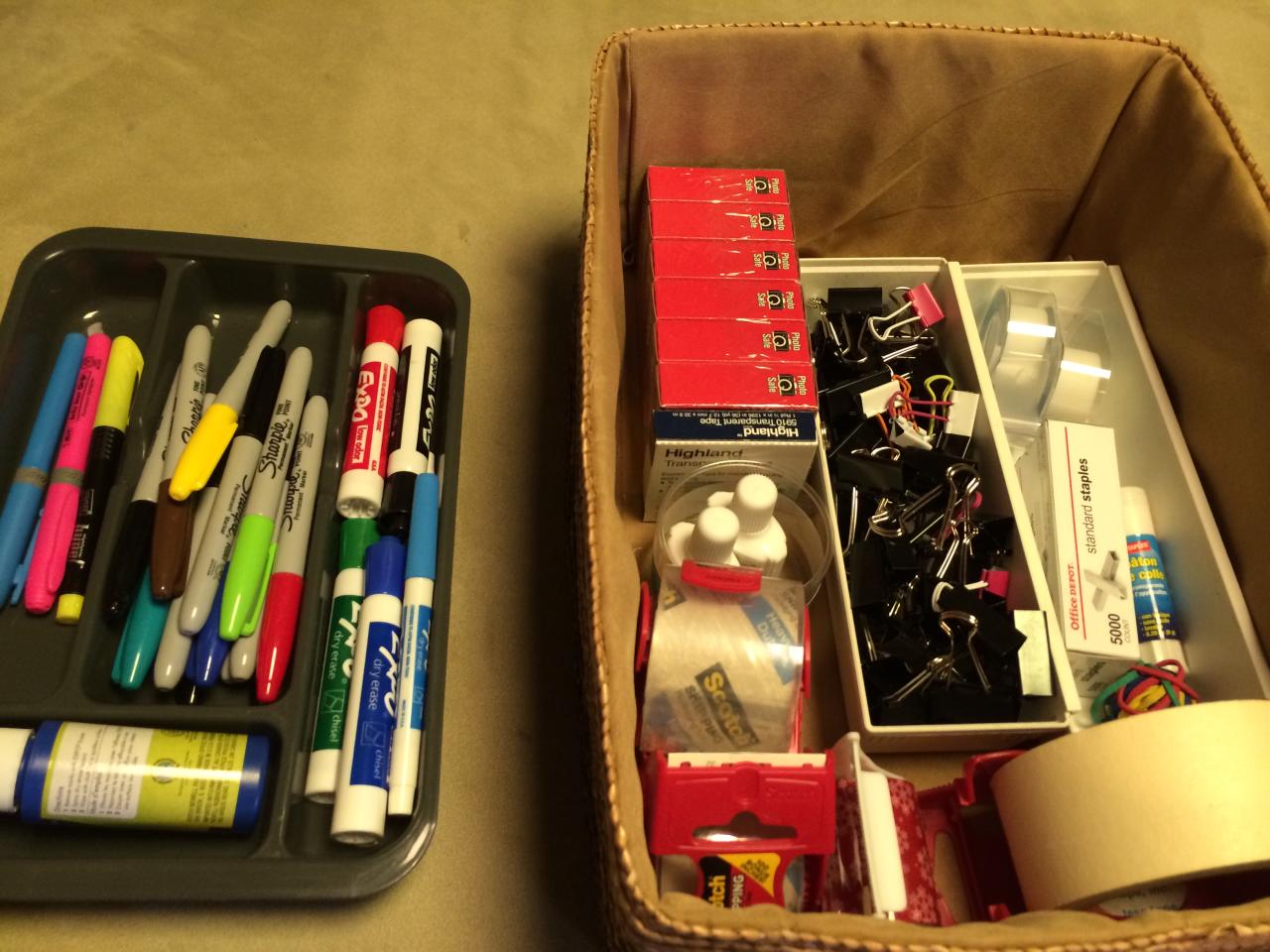
Managing supply shortages and urgent needs is a critical component of effective office supply management. Unexpected shortages can disrupt daily operations, hinder productivity, and cause frustration among staff. Implementing clear procedures and communication strategies ensures that these situations are handled efficiently, minimizing their impact on the organization. Proactive planning and rapid response are essential to maintaining smooth business operations during supply emergencies.Supply shortages often arise unexpectedly due to supplier delays, increased demand, or logistical disruptions.
When an urgent need for supplies occurs, organizations must act swiftly to source alternative solutions without compromising operational continuity. Establishing well-defined procedures and communication channels ensures that all relevant personnel are informed promptly and that sourcing challenges are addressed effectively.
Procedures for Managing Emergency Supply Needs
Efficient management of emergency supply needs begins with having a structured process that enables quick assessment, decision-making, and action. The following steps Artikel an effective approach:
- Identify the Urgency: Determine the scope and criticality of the shortage. Assess whether the supply is essential for immediate operations or can be deferred.
- Assess Inventory and Alternatives: Review current stock levels and explore possible temporary substitutes to meet immediate needs.
- Activate Emergency Procurement: Utilize pre-approved emergency vendors or fast-track purchasing procedures to expedite procurement.
- Implement Temporary Solutions: Consider reallocating existing supplies or borrowing from other departments temporarily.
- Document the Incident: Record details of the shortage, response actions, and outcomes for future review and process improvement.
Having a documented and rehearsed emergency response plan ensures swift and coordinated action, reducing downtime and maintaining productivity during unforeseen supply disruptions.
Communication Protocols for Notifying Relevant Staff
Effective communication is vital when addressing supply shortages, ensuring all involved parties are aligned and informed promptly. Clear protocols help prevent confusion and enable swift action:
Implement the following communication strategies:
- Designate a Point of Contact: Assign a specific individual or team responsible for managing supply-related crisis communication.
- Initial Notification: As soon as a shortage is identified, notify relevant department heads, procurement teams, and administrative personnel via email, messaging apps, or internal alerts.
- Regular Updates: Maintain ongoing communication with status updates, estimated resolution times, and alternative solutions. Use established channels such as dedicated chat groups or scheduled briefings.
- Escalation Procedures: Define escalation paths for unresolved shortages or critical emergencies, involving senior management or external suppliers as necessary.
- Documentation and Record-Keeping: Keep records of all communications for accountability and future reference.
Consistent and transparent communication reduces confusion, accelerates decision-making, and fosters collaboration during urgent supply situations.
Strategies for Rapid Sourcing of Emergency Supplies
Rapid sourcing of emergency supplies is pivotal to minimizing operational disruptions. Employing effective strategies ensures that needed items are acquired swiftly, maintaining workflow continuity:
Consider the following approaches:
- Maintain Relationships with Multiple Vendors: Establish and nurture relationships with a network of trusted suppliers who can provide quick turnaround during emergencies.
- Pre-Approved Emergency Vendors: Develop agreements with vendors specifically for urgent procurement, including clear terms on expedited delivery and pricing.
- Leverage Local Suppliers: Prioritize local vendors who can deliver faster due to proximity, especially during logistical disruptions or external crises.
- Stock Critical Supplies in Reserve: Keep a buffer stock of essential items that are frequently needed, reducing reliance on external sources during emergencies.
- Use Digital Sourcing Tools: Utilize online procurement platforms or apps that facilitate immediate ordering and real-time tracking of supplies.
- Negotiate Fast-Track Processes: Work with procurement teams to establish procedures for swift approval and purchase during urgent situations.
By implementing these strategies, organizations can significantly reduce the time required to secure essential supplies during emergencies, thus safeguarding operational continuity and productivity.
Wrap-Up
In conclusion, mastering the art of office supply management is key to operational success. By systematically evaluating needs, organizing resources effectively, leveraging digital solutions, and fostering responsible usage, your office can operate smoothly and cost-effectively. Embracing these strategies will not only save time and money but also contribute to a more sustainable and well-prepared workplace environment.