Understanding how to manage stress in the workplace is essential for maintaining productivity and well-being in professional settings. This comprehensive guide explores various strategies to identify stress sources, implement effective time management, foster a supportive environment, and incorporate stress reduction techniques that enhance overall job satisfaction.
Understanding Workplace Stress
Workplace stress is an inevitable aspect of professional life that can significantly impact employees’ well-being and overall organizational productivity. Recognizing the causes and effects of stress in work environments is essential for developing effective management strategies and fostering a healthier workplace culture.
Stress within the workplace arises from various sources, including demanding workloads, tight deadlines, interpersonal conflicts, job insecurity, and insufficient resources. The impact of sustained stress extends beyond mere discomfort, affecting physical health, emotional stability, and psychological resilience. Chronic stress can lead to serious health conditions such as hypertension, anxiety disorders, depression, and burnout, thereby reducing employee efficiency and increasing absenteeism.
Causes and Sources of Workplace Stress
Understanding the primary causes of workplace stress enables organizations to identify and mitigate potential issues proactively. Common sources include:
- Workload and Time Pressure: Excessive responsibilities and unrealistic deadlines can overwhelm employees, leading to feelings of inadequacy and frustration.
- Role Ambiguity and Lack of Clarity: Unclear job expectations or conflicting responsibilities often generate confusion and stress among staff members.
- Interpersonal Conflicts: Difficult relationships with colleagues or supervisors can create a tense work environment, contributing to emotional strain.
- Job Insecurity: Fears of layoffs, contract terminations, or organizational instability heighten anxiety and reduce workplace morale.
- Lack of Control: Limited autonomy over work tasks and decision-making processes can foster feelings of helplessness and frustration.
- Work Environment: Poor ergonomics, noise levels, or inadequate facilities can physically and psychologically disturb employees, increasing stress levels.
Effects of Workplace Stress
Chronic exposure to stress manifests through a range of physical, emotional, and psychological symptoms that can impair individual performance and overall health. Recognizing these effects allows organizations to implement timely interventions.
Physically, prolonged stress may cause headaches, fatigue, muscle tension, gastrointestinal issues, and elevated blood pressure. Emotionally, affected employees often experience irritability, anxiety, depression, and decreased motivation. Psychologically, persistent stress can impair concentration, decision-making, and memory, increasing the risk of burnout.
Comparison of Stress Levels Across Industries and Roles
Workplace stress levels vary considerably depending on the industry and job roles. Below is a comparative overview illustrating these differences:
| Industry/Role | Typical Stress Level | Contributing Factors |
|---|---|---|
| Healthcare Professionals | High | Long hours, life-or-death decisions, emotional strain from patient care |
| Information Technology (IT) Specialists | Moderate to High | Rapid technological changes, tight project deadlines, high customer expectations |
| Financial Sector Employees | High | Market volatility, regulatory pressures, high performance targets |
| Customer Service Representatives | Moderate | Dealing with difficult clients, high call volumes, repetitive tasks |
| Education Professionals | Moderate | Workload with lesson planning, student behavior management, administrative pressures |
Understanding these variations helps organizations tailor stress management initiatives specific to each industry and role, enhancing their effectiveness and relevance.
Identifying Personal Stress Triggers
Recognizing the specific factors that contribute to individual stress levels in the workplace is a crucial step toward effective stress management. Each person experiences stress differently, influenced by personal habits, perceptions, and work environments. By developing awareness of these unique triggers, employees can proactively implement strategies to reduce their impact and foster a healthier work experience.
Understanding and tracking personal stressors over time allows for a clearer picture of recurring patterns and underlying causes. This self-awareness not only aids in managing immediate stress episodes but also informs long-term adjustments in work routines, communication styles, and workload management. Employing systematic methods to identify and analyze stress triggers empowers employees to create personalized coping strategies, ultimately enhancing overall productivity and well-being.
Methods for Recognizing Personal Stressors
To effectively identify personal stress triggers, employees should adopt a combination of conscious observation and reflection. Start by paying close attention to physical, emotional, and behavioral responses during and after work activities. Common signs include increased heart rate, feelings of anxiety or irritability, fatigue, or difficulty concentrating. Maintaining a stress diary or journal is an excellent way to log these reactions, noting the time, context, and intensity of each episode.
Regularly reviewing these records can reveal patterns or specific situations that consistently elevate stress levels. Additionally, engaging in reflective practices such as mindfulness or brief daily self-assessments can help in becoming more aware of subtler stress cues. Seeking feedback from trusted colleagues or supervisors can also provide external perspectives on behaviors that may be linked to stress, such as withdrawal or increased errors.
Techniques for Tracking and Analyzing Stress Episodes
Implementing structured tracking methods enhances the ability to analyze and understand stress triggers comprehensively. Use tools like stress journals, mobile apps, or spreadsheets to record each stress episode with details such as date, time, duration, perceived cause, emotional state, and outcome. Over time, this data collection helps in identifying recurring triggers and evaluating their impact.
Analyzing this data involves categorizing episodes to uncover common themes or situations that lead to heightened stress. For example, an employee might notice increased stress during tight deadlines, ambiguous instructions, or interpersonal conflicts. Visualization techniques such as charts or graphs can illustrate patterns clearly, making it easier to prioritize areas for intervention. By systematically reviewing stress logs monthly or quarterly, individuals can develop targeted strategies to address specific triggers and reduce their frequency or severity.
Common Personal Triggers That Increase Workplace Stress
Understanding typical triggers that affect many employees can guide individuals in self-assessment and preparation. While triggers vary from person to person, some common sources of workplace stress include:
- Heavy workload or unrealistic deadlines
- Lack of clarity in job expectations or roles
- Poor communication or inadequate feedback from supervisors
- Conflicts with colleagues or supervisors
- Limited control over work processes or decision-making
- Insufficient resources or support to complete tasks effectively
- Work-life balance challenges, such as long hours or overtime
- Job insecurity or fear of future layoffs
- Frequent interruptions and multitasking demands
Effective Time Management Strategies
Managing time effectively is essential for reducing workplace stress and enhancing productivity. Proper scheduling and task handling allow employees to meet deadlines comfortably while maintaining a healthy work-life balance. Implementing practical strategies can significantly diminish feelings of being overwhelmed, leading to a more positive and controlled work environment.Effective time management involves deliberate planning, prioritization, and execution of tasks in a way that maximizes efficiency.
It requires understanding your workload, allocating appropriate time for each activity, and avoiding common pitfalls such as procrastination. When employed correctly, these strategies help minimize last-minute rushes, reduce errors, and foster a sense of accomplishment.
Prioritizing Tasks to Reduce Workload Pressure
Prioritization is the cornerstone of effective time management, enabling individuals to focus on what is most important and urgent. The following step-by-step procedure can help in systematically identifying and handling tasks:
- Make a comprehensive task list: Write down all pending tasks, projects, and responsibilities to gain a clear overview.
- Assess urgency and importance: Use the Eisenhower Matrix to categorize tasks into four quadrants:
Urgent and important
Tasks that require immediate attention, such as client deadlines or critical reports.
Important but not urgent
Tasks that contribute to long-term goals and strategic planning.
Urgent but not important
Tasks that can be delegated.
Neither urgent nor important
Low-priority activities that can be postponed or eliminated.
- Assign priorities: Focus on tasks in the ‘urgent and important’ quadrant first, followed by those in ‘important but not urgent’.
- Set realistic deadlines: Break large tasks into smaller, manageable steps with achievable deadlines.
- Review and re-prioritize regularly: Adjust priorities as new tasks emerge or circumstances change, ensuring an adaptive workflow.
Workflow Chart for Time-Blocking and Delegation
Visualizing workflows enhances understanding and adherence to time management plans. A typical workflow involves time-blocking to allocate specific periods for tasks and delegating responsibilities to optimize workload. Time-Blocking Process:
- Identify daily tasks and estimate the time required for each.
- Reserve dedicated blocks of time in your calendar for high-priority activities, including breaks.
- Ensure that each block is free from interruptions for maximum focus.
- Use color-coding to distinguish between different types of tasks or projects.
Task Delegation Process:
- Evaluate which tasks can be delegated based on complexity and team member expertise.
- Clearly communicate expectations, deadlines, and required outcomes.
- Provide necessary resources and support to the delegated individual.
- Monitor progress and provide feedback to ensure task completion aligns with standards.
*Workflow Chart Description:*A flowchart begins with task assessment, branching into two pathways: one for time-blocking and another for delegation. The time-blocking pathway involves scheduling tasks into specific time slots, while the delegation pathway involves assigning tasks to appropriate team members, followed by monitoring and review. This integrated approach ensures workload is managed efficiently, reducing stress and increasing productivity.
Best Practices for Managing Deadlines and Avoiding Procrastination
Meeting deadlines consistently requires discipline and strategic planning. Avoiding procrastination involves adopting habits that foster timely completion of tasks. Key Practices:
- Break tasks into smaller parts: Large projects can seem daunting; dividing them into manageable segments makes starting easier.
- Set specific and realistic deadlines: Assign clear due dates and avoid procrastinating by sticking to them.
- Use reminders and alarms: Utilize digital tools to alert you of upcoming deadlines, maintaining focus and momentum.
- Apply the two-minute rule: If a task takes less than two minutes, complete it immediately to prevent accumulation.
- Eliminate distractions: Create a work environment that minimizes interruptions, such as turning off notifications or setting designated focus periods.
- Practice the Pomodoro Technique: Work in focused intervals (typically 25 minutes) followed by short breaks, enhancing concentration and reducing fatigue.
- Reflect and review: At the end of each day, evaluate what was accomplished and plan for the next day to maintain progress.
Implementing these practices can lead to a significant reduction in stress related to looming deadlines and a more disciplined, organized approach to work tasks.
Creating a Supportive Work Environment
Establishing a workplace that prioritizes emotional safety and open communication is fundamental in managing and reducing stress among employees. When employees feel supported and valued, their ability to cope with workplace pressures improves significantly. A positive environment fosters collaboration, trust, and resilience, contributing to overall well-being and productivity.
Managers play a crucial role in cultivating such an environment by implementing strategies that promote transparency, empathy, and mutual support. These efforts not only enhance employee satisfaction but also create a culture where stress is acknowledged and addressed proactively.
Fostering Open Communication and Emotional Safety
Creating a space where employees feel comfortable sharing their concerns and ideas involves intentional efforts from leadership. Transparent communication channels, such as regular team meetings and anonymous feedback systems, encourage honest dialogue. Managers should actively listen, demonstrate empathy, and validate employees’ feelings to build trust and emotional safety.
Emphasizing confidentiality and non-judgmental attitudes helps reduce fears of reprisal or stigma associated with discussing stress or difficulties. Providing training sessions on effective communication and emotional intelligence further equips managers and staff to handle sensitive topics constructively.
Team-Building Activities Promoting Camaraderie and Stress Reduction
Team-building activities serve as effective tools to strengthen relationships among colleagues, boost morale, and alleviate workplace stress. Engaging in enjoyable, inclusive activities helps employees develop camaraderie and a sense of belonging, which are key factors in a supportive environment.
Examples of such activities include collaborative problem-solving exercises, outdoor retreats, volunteer initiatives, and creative workshops. For instance, organizing a monthly “lunch and learn” session can foster informal interactions, while a team sports day encourages physical activity and teamwork outside the formal work setting.
Encouraging Peer Support and Mentorship Programs
Peer support networks and mentorship initiatives can significantly enhance emotional resilience across the organization. These programs facilitate knowledge sharing, offer emotional guidance, and provide a platform for employees to seek advice without hesitation.
Implementing formal mentorship programs pairs experienced staff with newer employees, promoting skill development and emotional support. Additionally, establishing peer support groups—where employees can regularly discuss challenges and share coping strategies—creates a culture of mutual assistance. Such initiatives demonstrate organizational commitment to employee wellness and foster a collaborative, stress-resilient work atmosphere.
Stress Reduction Techniques and Practices
Implementing effective stress reduction techniques in the workplace is vital for maintaining employee well-being and enhancing overall productivity. Techniques such as mindfulness, breathing exercises, and meditation can serve as practical tools to help employees manage their stress levels efficiently during work hours. When integrated thoughtfully into daily routines, these practices foster a calmer, more focused, and resilient work environment.
Incorporating short, structured stress-relief practices throughout the workday can significantly reduce feelings of overwhelm and prevent burnout. Regularly scheduled breaks dedicated to relaxation activities enable employees to reset their mental state, improve concentration, and increase overall job satisfaction. Developing a routine that thoughtfully combines these techniques ensures sustained mental health benefits and contributes to a positive workplace culture.
Mindfulness, Breathing Exercises, and Meditation
Mindfulness, breathing exercises, and meditation are evidence-based practices proven to alleviate stress by promoting relaxation and mental clarity. These techniques help individuals become aware of their thoughts and emotions without judgment, reducing the physiological impacts of stress such as elevated heart rate and cortisol levels.
Mindfulness involves paying focused attention to the present moment, often through guided exercises or simple awareness practices, like observing one’s breath or sensations. Breathing exercises, such as deep diaphragmatic breathing or box breathing, regulate the nervous system and induce a sense of calm. Meditation, whether guided or unguided, can be practiced in as little as five minutes and has been shown to improve emotional regulation and reduce anxiety.
Implementation Tip: Encourage employees to dedicate a few minutes each day to these practices, using mobile apps or guided recordings to facilitate their routine and ensure consistency.
Implementing Brief Stress-Relief Breaks During Work Hours
Structured short breaks during the workday can provide vital opportunities for employees to engage in stress-relief activities, leading to improved mental health and productivity. These breaks should be intentionally brief, typically lasting between 3 to 10 minutes, to seamlessly fit into busy schedules.
Effective strategies include setting reminders to prompt employees to pause and practice breathing exercises or mindfulness. Creating designated quiet zones or relaxation corners in the workplace can facilitate quick access to a calming environment. Additionally, encouraging a culture that values mental health and recognizes the importance of these breaks helps normalize their use and promotes overall well-being.
Structuring a Daily Routine with Relaxation Methods
Developing a daily schedule that incorporates dedicated periods for relaxation and stress management techniques can enhance resilience and reduce workplace stress. A balanced routine ensures consistent engagement with calming practices, which can be tailored to individual preferences and work demands.
| Time of Day | Relaxation Practice | Implementation Details |
|---|---|---|
| Start of Workday | Morning Mindfulness Session | Begin with 5-minute mindful breathing or body scan to set a calm tone for the day. |
| Mid-Morning Break | Breathing Exercise | Use box breathing: inhale for 4 seconds, hold for 4, exhale for 4, hold for 4, repeat for 3-5 minutes. |
| Lunch Break | Mindful Eating or Short Meditation | Practice mindful eating or spend 10 minutes in guided meditation to refresh mental clarity. |
| Afternoon | Stretch and Relaxation | Incorporate simple stretches combined with deep breathing to reduce muscle tension and mental fatigue. |
| End of Workday | Reflection and Relaxation | Spend 5 minutes reviewing accomplishments and practicing gratitude or a calming meditation to transition out of work mode. |
Customizing this routine based on individual preferences and workload can foster a sustainable practice that contributes to improved mental health and workplace satisfaction. Consistency is key to experiencing the full benefits of these stress reduction techniques, making them an integral part of daily work life.
Setting Boundaries and Work-Life Balance
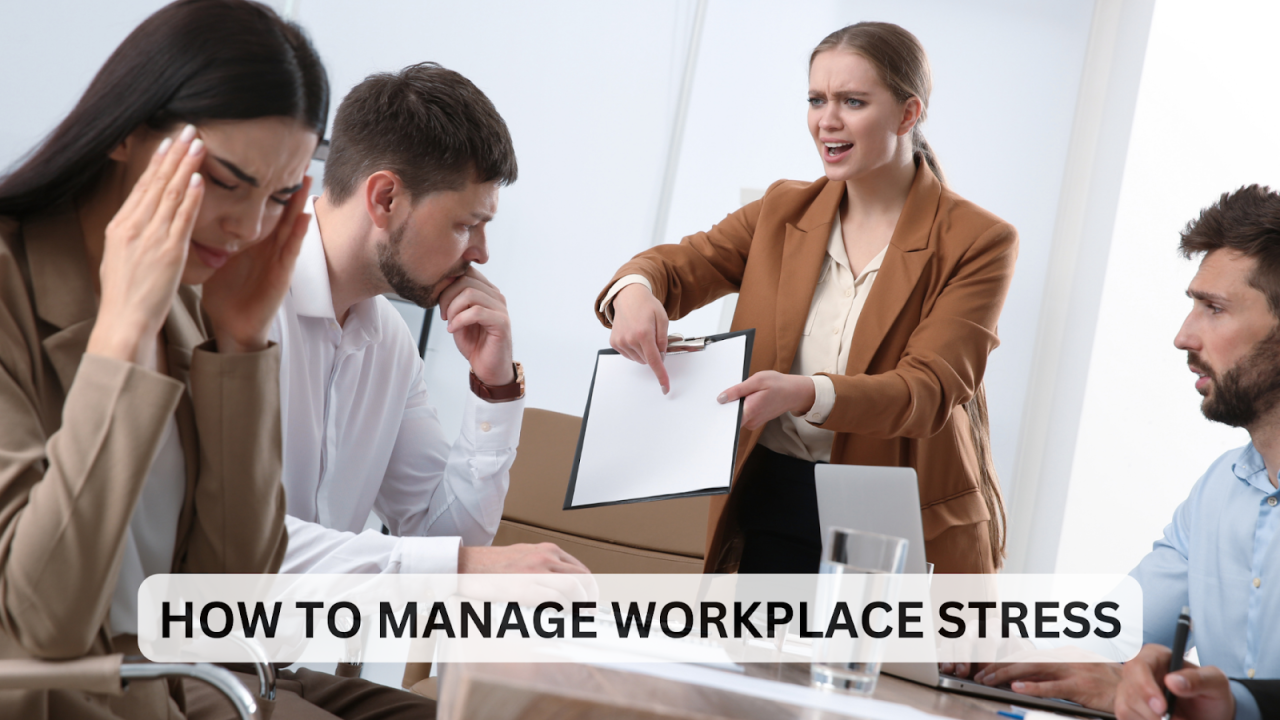
Establishing clear boundaries between professional responsibilities and personal life is essential for maintaining mental well-being and reducing workplace stress. When boundaries are well-defined, employees can better manage their time, recharge effectively, and foster healthier relationships both at work and outside of it. This practice not only enhances productivity but also contributes to overall job satisfaction and personal fulfillment.
Implementing effective boundaries requires deliberate planning and consistent communication. It involves identifying what is acceptable in terms of work hours, availability, and personal space, then clearly conveying these limits to colleagues and supervisors. Additionally, embracing flexible work arrangements can support a sustainable work-life balance, especially in today’s increasingly remote and hybrid work environments. By integrating these strategies, employees can create a more balanced and less stressful work experience while maintaining professional commitments.
Guidelines for Establishing Clear Boundaries
Clear boundaries are fundamental in preventing work from encroaching on personal time and vice versa. The following guidelines can help employees delineate these boundaries effectively:
- Define Specific Work Hours: Establish and communicate fixed working hours to colleagues and supervisors, ensuring everyone understands when you are available and when you are not.
- Designate a Dedicated Work Space: Create a specific area at home or in the office solely for work activities. This physical separation helps mental separation as well.
- Limit After-Hours Communication: Set expectations about responding to emails or messages outside of work hours, and use tools like email auto-responders to reinforce boundaries.
- Prioritize Tasks Effectively: Use prioritization techniques to focus on high-impact tasks within designated work hours, reducing the need to extend work into personal time.
- Practice Saying No: Recognize personal limits and communicate when workload exceeds capacity, preventing burnout and maintaining boundaries.
Communicating Boundaries to Colleagues and Supervisors
Open and respectful communication is crucial for ensuring that boundaries are understood and respected within the workplace. Effective strategies include:
- Initiate Conversations Early: Discuss boundaries proactively during onboarding or performance reviews, setting clear expectations from the outset.
- Use Clear, Professional Language: Articulate boundaries assertively but politely, emphasizing their importance for productivity and well-being.
- Provide Alternatives and Solutions: When declining requests outside agreed boundaries, suggest alternative solutions or timelines that align with your limits.
- Regularly Reinforce Boundaries: Remind colleagues and supervisors as needed, especially during periods of change or increased workload.
- Leverage Written Communication: Document boundaries through email or official channels to create a record and reduce misunderstandings.
Integrating Flexible Working Arrangements
Flexible work arrangements, such as remote work, flextime, or compressed workweeks, offer valuable opportunities for managing stress and achieving better work-life balance. When thoughtfully integrated, these arrangements can enhance employee satisfaction and productivity:
- Assess Personal and Job Suitability: Determine which flexible options align with your role, responsibilities, and personal circumstances, ensuring they do not compromise work quality.
- Negotiate with Supervisors: Engage in transparent discussions about desired flexibility, providing a clear rationale for how it benefits both parties.
- Implement Structured Schedules: Even with flexible hours, maintain consistent routines to foster discipline and clear boundaries.
- Utilize Technology Effectively: Leverage collaboration tools, calendar apps, and communication platforms to stay connected and organized regardless of work location.
- Monitor and Adjust: Regularly review the effectiveness of flexible arrangements, making adjustments as needed to optimize balance and reduce stress.
By establishing boundaries, communicating them effectively, and embracing flexible work options, employees can significantly reduce stress levels, improve their overall well-being, and foster a healthier, more sustainable work environment.
Utilizing Company Resources and Support Systems

Effectively leveraging the available support structures within a workplace plays a crucial role in managing stress and promoting overall well-being. Recognizing and utilizing these resources can empower employees to navigate stressful situations, maintain mental health, and foster a supportive work environment. Accessing company programs and services not only provides immediate relief but also encourages a proactive approach to workplace wellness.
Organizations often implement various initiatives and systems designed to support employee mental health, including assistance programs, counseling services, wellness activities, and informational resources. Understanding how to access and engage with these offerings is essential for maximizing their benefits and sustaining a balanced, healthy work life.
Employee Assistance Programs, Counseling Options, and Wellness Initiatives
Many companies have established comprehensive support networks aimed at addressing employee stress and promoting mental health. These programs typically include confidential counseling services, peer support groups, and wellness initiatives tailored to foster resilience and emotional well-being.
- Employee Assistance Programs (EAPs): These are confidential services provided by organizations, offering short-term counseling, crisis intervention, and guidance on personal or work-related issues. Employees can access EAPs anonymously, often through a dedicated hotline or online portal.
- Counseling Options: Workplace-sponsored counseling can include face-to-face sessions with mental health professionals or virtual counseling platforms, enabling flexible access. These services address issues like stress, anxiety, depression, and burnout.
- Wellness Initiatives: Many organizations promote health through wellness challenges, mindfulness sessions, fitness programs, and nutritional counseling. Participation in these initiatives can lead to improved mental resilience and reduced stress levels.
Awareness of these programs and active participation can provide vital support during stressful times, fostering a healthier, more engaged workforce.
Accessing and Participating in Workplace Workshops and Seminars
Workplace health workshops and seminars serve as practical platforms for educating employees on stress management techniques, mental health awareness, and resilience building. Facilitated by internal experts or external professionals, these sessions are valuable resources for developing coping skills and fostering a supportive organizational culture.
- Finding Information: Employee portals, internal newsletters, or HR communications typically provide schedules and registration instructions for upcoming workshops or seminars.
- Registration and Participation: Employees can usually register through online portals, email, or direct contact with HR representatives. Prior registration ensures availability and allows for preparation tailored to participants’ needs.
- Engagement During Sessions: Active participation, note-taking, and applying learned techniques can enhance the benefits received from these events. Encouraging managers to attend and promote engagement can foster a culture of continuous learning and support.
Participating in these educational activities not only equips employees with practical stress management tools but also demonstrates organizational commitment to mental health.
Accessing Mental Health Resources through Workplace Portals
Most organizations now host dedicated online platforms or portals that centralize mental health resources, making support readily accessible anytime and from anywhere. These portals serve as comprehensive repositories of information, tools, and contact details.
| Resource Type | Description | Usage Details |
|---|---|---|
| Mental Health Guides and Articles | Educational materials covering stress management, coping strategies, and mental health awareness. | Accessible via the company’s intranet or employee portal, often downloadable or printable for convenience. |
| Self-assessment Tools | Online questionnaires to help employees evaluate their mental well-being and identify potential concerns. | Typically anonymous, providing immediate feedback and recommended steps or resources. |
| Contact Information for Support Services | Details of internal counselors, external mental health providers, or helpline numbers. | Easy access ensures employees can seek help swiftly when needed. |
| Scheduling Appointments | Online booking systems for counseling sessions or wellness consultations. | Allows employees to choose convenient times and preferred support providers. |
Regularly updating and actively promoting these digital resources enhances employee awareness and encourages utilization, fostering a healthier work environment grounded in support and understanding.
Developing Resilience and Positive Mindset

Building resilience and fostering a positive mindset are essential components of effective stress management in the workplace. These qualities empower employees to navigate high-pressure situations with confidence and adaptability, transforming challenges into opportunities for growth. Cultivating an optimistic outlook not only enhances individual well-being but also contributes to a more dynamic and supportive work environment.
Developing resilience involves intentional practices that strengthen emotional endurance and foster a proactive attitude towards setbacks. Incorporating techniques such as daily affirmations, reflective exercises, and cultivating a growth mindset can significantly improve an employee’s ability to handle stress effectively. By nurturing these attributes, individuals can maintain their productivity and emotional equilibrium even during demanding periods.
Strategies for Building Emotional Resilience in High-Pressure Situations
Resilience is the capacity to recover quickly from difficulties, and it can be developed through specific strategies that reinforce mental strength and emotional stability. Key approaches include:
- Practicing mindfulness and meditation regularly to enhance awareness of emotional responses and reduce impulsivity.
- Developing problem-solving skills to approach challenges methodically, instead of reacting with frustration or anxiety.
- Maintaining a strong social support network within the workplace to share concerns and receive encouragement.
- Setting realistic goals and focusing on progress rather than perfection, which helps in reducing feelings of failure.
- Engaging in continuous learning to adapt to changing work demands and build confidence in handling new situations.
“Resilience is not about avoiding stress but learning how to thrive within it.” – Anonymous
Techniques for Cultivating Optimism and Adaptive Thinking at Work
Cultivating optimism involves intentionally shifting perspectives to focus on positive outcomes, opportunities, and solutions rather than problems. Adaptive thinking allows employees to adjust their mindset in response to setbacks, fostering flexibility and innovation. The following techniques can be integrated into daily routines:
- Reframing negative thoughts by consciously replacing them with constructive and hopeful alternatives.
- Practicing gratitude daily to recognize positive aspects of work and personal life, which enhances overall outlook.
- Visualizing success in challenging tasks to bolster confidence and motivation.
- Maintaining a growth mindset by viewing mistakes as learning opportunities rather than failures.
- Engaging in positive self-talk to reinforce self-efficacy and resilience during stressful scenarios.
“Optimism is the faith that leads to achievement. Nothing can be done without hope and confidence.” – Helen Keller
Designing a Step-by-Step Guide to Incorporate Daily Affirmations and Positive Reflections
Integrating daily affirmations and reflections into routines can significantly shape a resilient and positive mindset over time. The following step-by-step approach provides a practical framework:
- Select meaningful affirmations: Choose positive statements that resonate personally and align with individual goals, such as “I am capable of handling challenges” or “I adapt easily to change.”
- Schedule dedicated reflection time: Allocate 5-10 minutes at the start or end of each workday to focus on affirmations and personal reflections.
- Write down affirmations daily: Use a journal or digital note to record affirmations, ensuring consistency and reinforcement.
- Practice active affirmation delivery: Say affirmations aloud with conviction, engaging both mind and body to enhance their impact.
- Reflect on daily accomplishments: At the end of each day, acknowledge successes and instances where resilience was demonstrated, fostering a sense of achievement and optimism.
- Adjust affirmations periodically: Review and update affirmations monthly to reflect evolving goals and insights, maintaining relevance and motivation.
By systematically embedding these practices into daily routines, employees can cultivate a resilient and positive outlook that sustains them through workplace challenges and promotes overall well-being.
Closing Notes
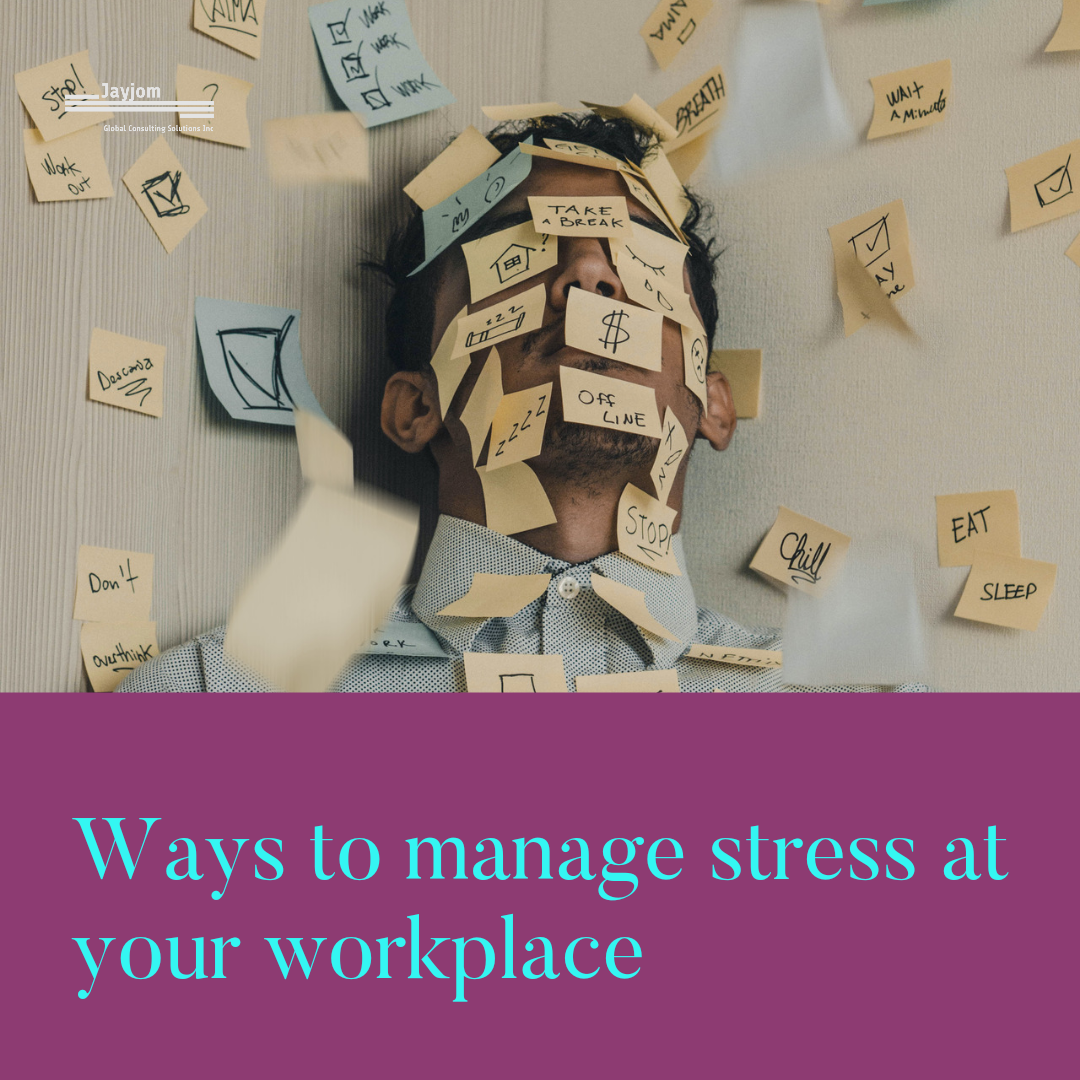
In summary, mastering how to manage stress in the workplace involves a multifaceted approach that prioritizes personal awareness, supportive interactions, and healthy routines. By applying these methods, professionals can create a more balanced and resilient work experience, ultimately leading to improved performance and well-being.