Discovering how to review progress in 15 minutes daily offers a powerful way to enhance personal productivity and stay aligned with your goals. Even with busy schedules, a quick daily check-in can make a significant difference in maintaining momentum and clarity in your tasks.
This approach emphasizes the importance of consistent, brief reflections that can be seamlessly integrated into any routine. By mastering this simple yet effective practice, you can identify obstacles early, celebrate achievements, and adapt your plans efficiently, ultimately fostering sustained progress over time.
Importance of a 15-minute daily review for personal productivity
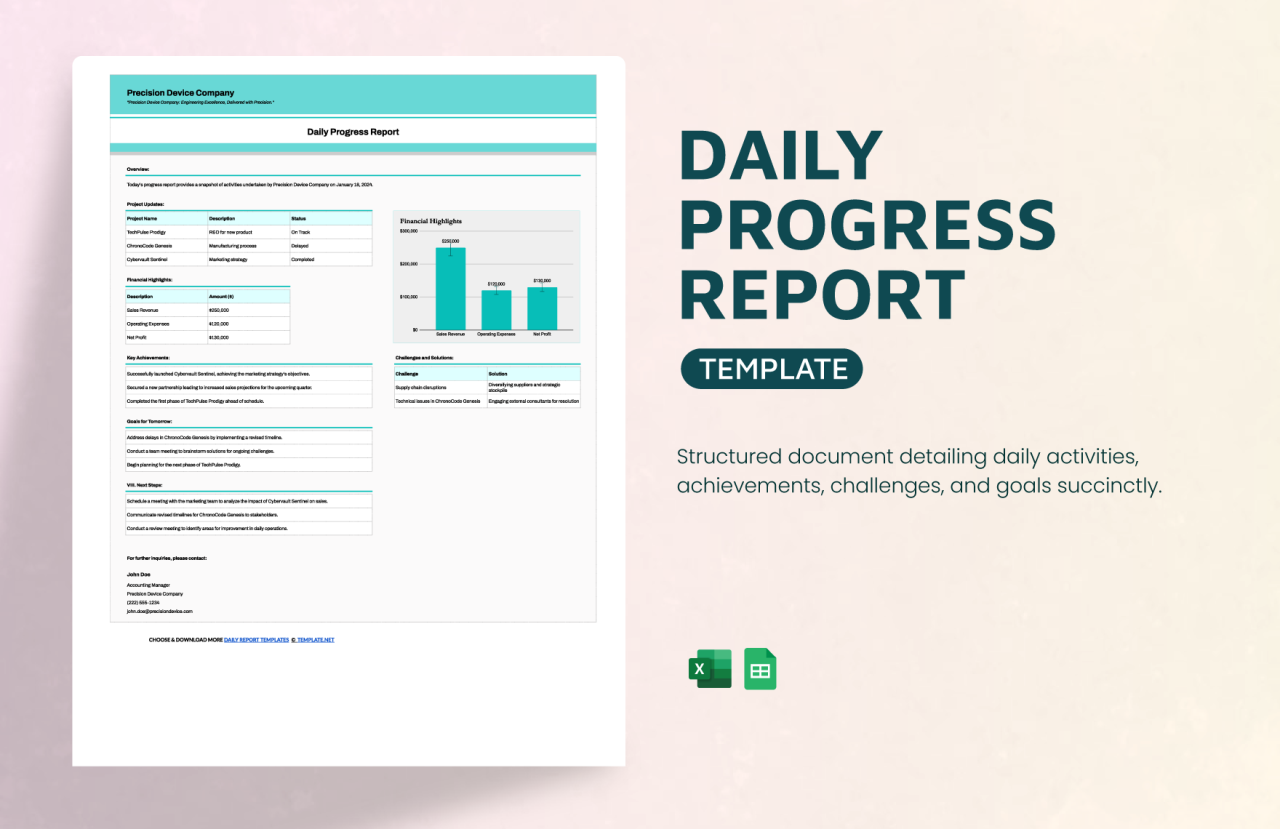
Allocating just 15 minutes each day to review personal progress can significantly enhance overall productivity and goal attainment. This brief daily practice fosters a disciplined approach to managing tasks and reflecting on accomplishments, ultimately leading to more consistent progress and heightened motivation. Such a focused, time-efficient review allows individuals to stay aligned with their objectives without the burden of extensive planning or analysis.
Engaging in a quick daily check-in creates a habit of continuous assessment, enabling individuals to identify obstacles early and adjust their strategies promptly. Over time, this habit contributes to sustained momentum, reducing the likelihood of procrastination and diminishing the impact of setbacks. The cumulative effect of these short, intentional reviews can dramatically influence long-term success, as they promote regular course correction and reinforce positive behaviors.
Comparison of daily, weekly, and monthly assessments
While weekly and monthly reviews provide comprehensive insights into overall progress, they often lack the immediacy necessary to address daily challenges effectively. A daily 15-minute review offers a more agile approach, allowing for immediate feedback and timely adjustments. This frequent review cycle ensures that small issues do not escalate into larger problems, thus maintaining a steady trajectory towards goals.
In contrast, weekly and monthly assessments tend to focus on broader patterns and long-term trends, which are essential but may overlook nuanced daily fluctuations. Therefore, integrating a short daily review with more extensive weekly or monthly evaluations creates a balanced system of continuous improvement. This layered approach maximizes productivity by combining the benefits of quick, actionable insights with in-depth strategic assessments.
Setting up an effective 15-minute review routine
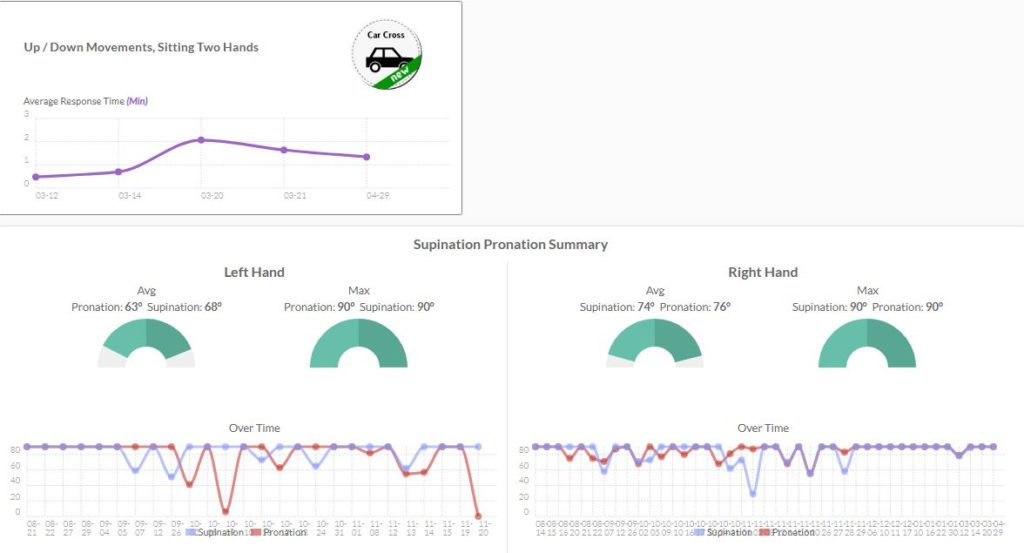
Establishing a structured and efficient routine for daily review is crucial in maximizing the benefits of a brief yet impactful self-assessment. A well-designed routine ensures consistency, helps in identifying progress, and keeps personal goals aligned with daily actions. When integrated seamlessly into your busy schedule, this routine becomes a powerful tool for continuous improvement and sustained productivity.
An effective 15-minute review routine involves thoughtful preparation, a clear structure, and strategic scheduling. It allows you to quickly gauge your achievements, recognize areas for adjustment, and set priorities for the following day. By minimizing mental clutter and physical distractions, you can focus entirely on meaningful reflection and planning, ultimately fostering a habit of intentional productivity and personal growth.
Preparing mentally and physically for the daily review
To maximize the effectiveness of a brief daily review, proper preparation is essential. Mentally, it is important to cultivate a calm and focused mindset, free from the chaos of the day. Taking a few deep breaths or engaging in a brief mindfulness exercise can help center your thoughts and create a receptive state for reflection. Mentally preparing also involves setting an intention for the review, such as identifying key areas to evaluate or goals to track.
Physically, creating a suitable environment enhances concentration and reduces distractions. Find a quiet, comfortable space with minimal interruptions. Keep your review tools—such as a planner, notebook, or digital app—in close proximity. Having a dedicated space and routine signal to your brain that it is time for reflection, making the process more habitual and less burdensome.
Designing a simple checklist or structure for the review process
A straightforward and repeatable checklist simplifies the review process and ensures essential aspects are consistently covered. The checklist should be concise yet comprehensive enough to capture progress and areas for improvement. A typical structure might include:
- Review completed tasks and accomplishments from the day.
- Assess progress toward weekly or monthly goals.
- Identify any obstacles or challenges faced.
- Adjust tomorrow’s priorities based on today’s insights.
- Set specific tasks or focus areas for the next day.
“A consistent review process transforms fleeting moments of reflection into powerful drivers of continuous productivity.”
Incorporating prompts such as “What went well today?”, “What lessons did I learn?”, and “What can be improved?” ensures that your review remains targeted and productive.
Creating a sample schedule that integrates into a busy day
Balancing a full schedule requires integrating the 15-minute review at a time that least disrupts your workflow yet remains consistent. For many, the most effective times include early morning, during a lunch break, or just before bed. Here is a sample schedule:
| Time | Activity | Notes | Location |
|---|---|---|---|
| 6:45 AM | Morning review session | Quick mental check-in; set intentions for the day | Living room or quiet corner |
| 12:30 PM | Midday reflection | Assess progress, adjust priorities | Office or designated quiet space at work |
| 9:00 PM | Evening review | Evaluate the day, prepare for tomorrow | Bedroom or personal study area |
Choosing a specific time keeps the routine consistent and minimizes the risk of skipping the review due to fatigue or forgetfulness. Tailoring these times based on your daily rhythm enhances adherence and effectiveness.
Sample table layout for tracking daily tasks and progress
Tracking your tasks and progress visually can significantly boost accountability and clarity. A simple table layout with four columns provides a straightforward overview of your daily productivity:
| Task/Goal | Status | Notes | Next Steps |
|---|---|---|---|
| Complete project report | Done | Submitted ahead of deadline | Follow up with team next week |
| Morning exercise | Missed | Overslept | Reschedule for early evening |
| Read 20 pages | In Progress | Halfway through chapter 3 | Finish chapter tomorrow |
| Respond to emails | Pending | High priority | Allocate 10 minutes in the morning |
This layout offers a clear snapshot of daily achievements, pending tasks, and upcoming actions. Regularly updating this table during your review fosters accountability and provides motivation through visible progress tracking.
Key components to include in a 15-minute review
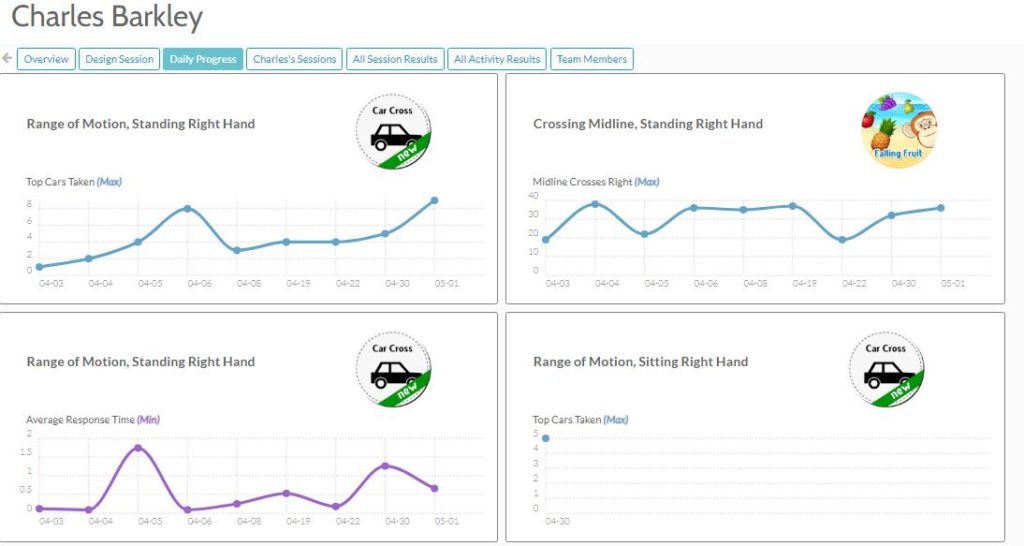
A focused 15-minute daily review is essential for maintaining momentum, assessing progress, and adjusting priorities promptly. Structuring this brief but effective check-in involves evaluating several critical areas that collectively contribute to personal productivity and goal achievement. By systematically covering these components, individuals can ensure they stay aligned with their objectives and remain adaptable to unforeseen challenges.This review should be concise yet comprehensive, allowing for quick assessment while providing insights to inform the next steps.
The key is consistency and honesty in evaluation, which helps build momentum and fosters continuous improvement.
Tasks Completed and Progress Made
Tracking daily accomplishments provides immediate feedback on productivity and helps reinforce positive habits. It also highlights tasks that have been successfully completed, offering a sense of achievement and motivation. During the review, assess whether the tasks finished align with your planned activities and overall goals.Include a quick comparison between scheduled tasks and what was actually accomplished. Recognize completed tasks and identify any that were left unfinished, understanding the reasons behind delays or obstacles.
This reflection helps refine future planning and prioritization.
Ongoing Projects and Priorities
Reviewing ongoing projects ensures that progress is steady and milestones are on track. During this time, evaluate the current status of each project, noting any upcoming deadlines or critical deliverables. Determine whether current actions are sufficient or if adjustments are necessary.Reassessing priorities helps prevent task backlog and ensures focus remains on high-impact activities. For example, if a project deadline is approaching and progress is slower than expected, reallocate resources or adjust daily goals accordingly to stay on schedule.
Assessment Against Goals
Evaluating how daily activities contribute to broader goals is vital for maintaining purpose and direction. This involves reviewing whether the day’s accomplishments advance key objectives and identifying gaps where efforts might be misaligned.Utilize a straightforward metric such as a progress score or milestone completion rate to quantify achievement. For instance, if the goal is to improve client communication, review whether daily outreach efforts met the target number of contacts or responses.
Obstacles and Setbacks
Identifying obstacles encountered during the day allows for immediate corrective action and long-term strategy improvements. Note any unforeseen challenges, such as technical issues, resource shortages, or time management conflicts.Document these setbacks clearly, including how they impacted your productivity. For example, if a technical glitch delayed a report, record the cause and consider solutions like backup plans or process adjustments to prevent recurrence.
Recognizing obstacles fosters proactive problem-solving and resilience.
“Consistent, honest reflection on obstacles and setbacks enables targeted improvements and sustains momentum towards goals.”
Tools and techniques to facilitate quick progress reviews

Implementing efficient tools and techniques can significantly enhance the speed and accuracy of daily progress reviews. These methods help maintain focus, reduce time spent on administrative tasks, and ensure that insights are gained swiftly, enabling continuous personal development without disrupting daily routines. Selecting suitable tools tailored to individual preferences and workflows maximizes productivity during these brief yet impactful review sessions.Effective progress reviews often combine digital applications and analog methods, leveraging the strengths of each to suit different styles and situations.
Digital apps are advantageous for their automation, data synchronization, and ease of access across devices, making them ideal for individuals who prefer tech-savvy solutions or need real-time updates. Conversely, analog methods such as notebooks or physical planners foster tactile engagement, reduce distractions, and can be more accessible during travel or in environments with limited digital connectivity. The choice between these approaches depends on personal preference, the complexity of tracking required, and the context of use.Visual aids like charts, color coding, and symbols serve as powerful tools within review templates to facilitate quick interpretation of progress.
For instance, using a traffic light system—green for on-track, yellow for caution, red for delays—provides instant visual cues about task status. Color coding priorities or categories allows for immediate differentiation between urgent and non-urgent items, streamlining decision-making during the review. Incorporating simple charts that display weekly progress or goal completion rates enhances understanding without requiring extensive analysis.Utilizing explainings or cue questions helps structure the review process, making it more efficient and focused.
These guiding questions prompt reflection on key aspects such as accomplishments, challenges, next steps, and areas for improvement. Examples include: “What was achieved today?”, “What obstacle was encountered?”, “What is the priority for tomorrow?”, and “What support or resources are needed?” Employing such questions reduces ambiguity, ensures consistency, and accelerates the review cycle, making the most of the limited 15-minute window.To streamline the review process further, structuring a clear and concise template within an HTML table can be highly effective.
A typical template might include columns for the Task/Goal, Status, Notes, and Next Steps. Here is an example of how this could be formatted:
Task/Goal Status Notes Next Steps Complete project report In Progress Data analysis ongoing, deadline approaching Finalize draft by tomorrow afternoon Exercise session Completed Felt energized, maintained schedule Plan for next week’s workout routine
This structured format fosters quick scanning, easy updating, and clear visibility into progress, making it ideal for a rapid daily review.
Last Word
In conclusion, dedicating just 15 minutes each day to review your progress is a practical strategy that can yield substantial long-term benefits. By implementing a structured routine and utilizing the right tools, you can turn daily reflections into a catalyst for continuous improvement and success.