Mastering how to review tasks at night can significantly enhance your productivity and organization. Establishing a consistent nightly routine not only ensures that you stay on top of your responsibilities but also provides a sense of accomplishment before ending the day. With the right approach, reviewing tasks in the evening becomes a strategic activity that prepares you for a smoother and more focused tomorrow.
This process involves creating an organized environment, prioritizing tasks based on urgency, leveraging effective tools, and maintaining focus during review sessions. By refining your nightly review habits, you can optimize your time, reduce stress, and achieve your goals with greater ease.
Establishing a Nightly Review Routine

Implementing a consistent nightly review routine is essential for effective task management and ensuring that all responsibilities are accounted for before ending the day. Developing a structured approach not only enhances productivity but also fosters a sense of accomplishment and prepares you for the upcoming day with clarity and focus. A well-planned review session can help identify pending tasks, prioritize effectively, and reduce stress associated with last-minute surprises.
Creating this routine involves deliberate planning of when, where, and how you review your tasks. It requires establishing habits that become second nature, ensuring that review sessions are comprehensive yet manageable within the available time. By dedicating specific time slots and preparing an optimal environment, you can maximize the benefits of your nightly review. Incorporating a systematic checklist and applying effective time management strategies further streamlines the process, making it a sustainable part of your daily schedule.
Creating a Consistent Schedule for Task Review at Night
Consistency is the cornerstone of an effective nightly review routine. Establishing a fixed time each evening to go over your tasks helps build a habit that becomes seamlessly integrated into your daily life. The ideal time often coincides with the end of your work or daily activities, allowing a transition from productivity mode to reflection and planning. For many, this might be around 30 to 60 minutes before bedtime, providing ample time to review without feeling rushed or fatigued.
To ensure adherence, set a recurring alarm or reminder on your digital devices that prompts you to start your review session. Aligning this routine with your circadian rhythm can also improve focus and mental clarity during review. For example, if you find you are most alert in the early evening rather than late at night, schedule your review during this period.
Consistency in timing reinforces a habit that eventually becomes instinctive, making it easier to maintain over long periods.
Preparing a Conducive Environment for Reviewing Tasks
The environment where you conduct your nightly review significantly impacts your ability to focus and process information effectively. A quiet, well-lit space free from distractions helps you concentrate on your tasks without interruptions. Dimming unnecessary lights and turning off notifications on electronic devices can minimize distractions and foster a focused atmosphere.
Organizing your workspace in advance ensures all necessary materials—such as task lists, notebooks, pens, or digital tools—are readily accessible. Maintaining a clutter-free environment not only reduces visual distractions but also promotes mental clarity. Some individuals find that incorporating calming elements like soft background music or a comfortable chair enhances concentration, making the review process more efficient and less stressful.
Designing a Checklist to Organize Tasks for Nighttime Review
A structured checklist serves as a practical guide to ensure all relevant tasks are reviewed systematically. It helps prevent oversight and guarantees that no critical responsibilities are neglected. Your checklist should be tailored to include categories such as pending tasks, completed items, upcoming deadlines, and items requiring further action or follow-up. This organized approach simplifies the review process, making it quick yet comprehensive.
“A checklist acts as a roadmap, guiding your focus and ensuring thoroughness in your nightly review.”
Design your checklist with clarity and brevity. For example, use bullet points or numbered items to list specific tasks, priorities, and notes. Incorporate sections for different areas of your responsibilities—work, personal projects, health, or household tasks. Regularly updating and refining this checklist based on your evolving priorities ensures it remains relevant and effective.
Effective Time Management Techniques for Nightly Review
Allocating sufficient time for your nightly review is crucial for a productive session. Employing time management techniques helps you maximize efficiency within the allotted period, avoiding the tendency to rush or neglect important details. Techniques such as the Pomodoro Technique—working in focused intervals of 25 minutes followed by short breaks—can be adapted for your review, promoting sustained concentration and preventing fatigue.
Prioritize your review tasks by importance and urgency, dedicating more time to high-priority items. Setting a timer or time limit for each section of your review can keep you on track, ensuring a balanced examination of all areas. Additionally, integrating a buffer period—about 5-10 minutes—at the end of your session allows for reflection, notes, and planning for the next day.
Maintaining discipline in adhering to your schedule ensures your nightly review remains a consistent, effective habit that supports your overall productivity and well-being.
Prioritizing Tasks for Nighttime Review

Effective prioritization during your nightly review ensures that your most critical tasks are addressed promptly, while less urgent matters are scheduled appropriately. By categorizing tasks based on their urgency and importance, you create a clear roadmap for the following day and prevent overlooked responsibilities. This process not only enhances productivity but also reduces stress by providing clarity and focus during your evening routine.
Establishing a systematic approach to task prioritization involves evaluating each task’s urgency and importance, organizing them visually, and adjusting priorities as needed. This structured method aids in making informed decisions, ensuring that immediate needs are met without neglecting long-term objectives. The following sections Artikel practical methods and tools to facilitate this process effectively.
Methods to Categorize Tasks Based on Urgency and Importance
Recognizing the different levels of task urgency and importance is crucial for effective nighttime review. A widely used framework is the Eisenhower Matrix, which divides tasks into four quadrants:
Quadrant I: Urgent and Important – Tasks requiring immediate attention to prevent negative consequences, such as approaching deadlines or critical issues.
Quadrant II: Not Urgent but Important – Tasks contributing to long-term goals, like strategic planning or skill development, which should be scheduled thoughtfully.
Quadrant III: Urgent but Not Important – Tasks that demand immediate response but do not significantly impact long-term objectives, such as minor interruptions or low-priority emails.Quadrant IV: Not Urgent and Not Important – Tasks that are largely discretionary or leisure activities that can often be deferred or eliminated.
By classifying tasks within this framework, you can focus your nightly review on what truly requires immediate action, while planning for subsequent priorities. This categorization ensures you allocate your energy efficiently and recognize which tasks can be postponed or delegated.
Creating a Visual Prioritization System
Visual tools enhance the clarity and usability of task prioritization. Implementing a table or list format allows for quick assessment and easy adjustments during your nightly review. For instance, a simple table can be used to list each task alongside its category, deadline, and priority level.
Example of a visual prioritization table:
| Task | Category | Deadline | Priority Level |
|---|---|---|---|
| Complete project report | Urgent & Important | Tomorrow morning | High |
| Plan next week’s meetings | Not Urgent & Important | End of the week | Medium |
| Respond to non-urgent emails | Urgent & Not Important | Tonight | Low |
This approach provides a clear overview, allowing you to prioritize tasks based on their placement within the matrix and adjust as progress is made or deadlines shift.
Organizing Criteria for Immediate Review Versus Later
Establishing criteria for instant review or deferred attention is essential for maintaining focus during your nightly routine. Tasks that meet specific conditions should be addressed immediately, while others can be scheduled for later review.
Immediate review criteria include:
Tasks with imminent deadlines or urgent consequences.
Critical issues affecting ongoing projects or client relationships.
Items that unblock progress for subsequent tasks.Emergencies or issues requiring swift intervention.
Conversely, tasks that are important but not urgent, such as strategic planning or skill development activities, can be scheduled for the following day or week. Regularly reviewing upcoming deadlines and progress made during the day helps in dynamically adjusting priorities, ensuring that your nightly review remains responsive to evolving circumstances.
Techniques such as marking tasks with priority flags, color-coding, or assigning specific time blocks help in distinguishing tasks that need immediate action from those that can be deferred. A flexible approach allows you to adapt your review based on daily progress, recent developments, and upcoming commitments, ensuring a balanced and effective nightly task management routine.
Tools and Methods for Reviewing Tasks
Effective nightly task review relies heavily on selecting appropriate tools and implementing systematic methods that streamline the process. Utilizing the right combination of digital and physical resources can significantly enhance clarity, organization, and accountability in managing daily responsibilities. By understanding the strengths of various tools and establishing consistent procedures, individuals can make their nightly review both efficient and productive, setting a strong foundation for the following day.A variety of tools and approaches exist to facilitate comprehensive task review, each suited to different preferences and lifestyles.
Digital tools offer flexibility, easy updates, and integration with other productivity systems, while physical tools such as planners and notebooks provide tactile engagement, which many find beneficial for memory retention and focus. Combining these methods effectively can lead to a well-rounded review process that adapts to evolving needs and habits.
Comparison of Digital and Physical Tools for Nightly Review
- Digital Tools: These include productivity apps, task management software, and spreadsheets accessible via smartphones, tablets, or computers. They enable quick updates, automatic reminders, and easy sharing or syncing across devices. Popular options include Todoist, Notion, Trello, and Google Sheets. Digital tools are particularly valuable for users who prefer tech-savvy solutions or require collaborative features for team projects.
- Physical Tools: Traditional planners, notebooks, sticky notes, and printed checklists fall into this category. They offer tactile interaction, reduce digital distractions, and promote focus during review sessions. Physical tools are advantageous for those who find handwriting helps memory retention or who prefer a tangible record of completed tasks.
Choosing between digital and physical tools depends on personal preferences, the complexity of tasks, and the environment. Integrating both can provide a balance, with digital tools offering flexibility and physical tools enhancing focus and retention.
Effective Utilization of Planners, Apps, and Spreadsheets
Implementing these tools systematically involves establishing consistent procedures for entering, reviewing, and updating task information. For planners and notebooks, dedicating a specific section or page for nightly review ensures easy access and familiarity. For digital apps, creating dedicated project boards or task lists encourages focused review sessions.
- Task Entry: Record all pending tasks from the day, along with deadlines and priority levels. Consistently updating this list keeps it relevant and accurate.
- Review Process: Allocate a set amount of time each night (e.g., 10 minutes) to go through the list, verifying completed tasks and adjusting priorities for the next day.
- Task Completion Checking: Use visual indicators such as checkmarks, strikethroughs, or color codes to denote task status. For digital tools, utilize built-in checkboxes or status tags; in physical tools, cross out or highlight tasks accordingly.
- Notes and Remarks: Add brief comments or reminders for tasks that need follow-up or additional information, ensuring nothing is overlooked.
Adopting a consistent procedure enhances clarity and reduces the likelihood of missing important tasks or deadlines.
Sample Tables for Tracking Task Status and Notes
Structured tables serve as practical visual aids that facilitate quick assessment of progress and prioritization during nightly reviews. The following layouts exemplify efficient ways to organize task information:
| Task Description | Priority | Status | Notes | Completion Date |
|---|---|---|---|---|
| Finish quarterly report | High | In Progress | Include latest sales figures | |
| Reply to client emails | Medium | Pending | Check for urgent messages | |
| Plan tomorrow’s meeting agenda | Low | Completed | Include project updates | 2024-04-25 |
This systematic approach ensures clarity, accountability, and continuous progress in nightly task reviews, fostering better productivity and stress reduction.
Enhancing Focus During Nightly Reviews

Maintaining a high level of concentration during nightly review sessions is essential to maximize productivity and ensure all tasks are properly evaluated. As the mind naturally becomes fatigued after a full day, employing specific techniques to minimize distractions and boost focus can significantly improve the effectiveness of these reviews. Implementing strategies that segment review time into manageable periods also helps sustain attention and prevents mental exhaustion.
Additionally, recognizing ways to combat fatigue and stay motivated ensures that nightly reviews remain a constructive habit. Utilizing visual aids such as charts or flowcharts can serve as powerful tools to clarify complex task structures and facilitate quicker comprehension during review sessions.
Deep focus during nightly task reviews not only enhances accuracy but also fosters a more reflective and organized approach to task management. By creating an environment conducive to concentration and employing practical tools, individuals can transform nightly reviews from a hurried checklist into a thoughtful, strategic process. The following techniques provide actionable methods to achieve this goal.
Strategies to Minimize Distractions and Improve Concentration
Creating an environment with minimal interruptions is fundamental for effective nightly reviews. Select a quiet, clutter-free space where external noise and interruptions are minimized. Turning off notifications on electronic devices prevents notifications from diverting attention, while setting specific boundaries with family or colleagues ensures uninterrupted focus.
- Use noise-cancelling headphones or play ambient background music to block out distracting sounds.
- Establish boundaries, such as informing others of your review schedule to prevent unexpected interruptions.
- Limit the use of multitasking; focus solely on reviewing tasks during dedicated sessions.
- Maintain a tidy workspace free of unrelated materials that could divert attention.
Practicing mindfulness techniques, such as deep breathing or brief meditation before starting, can also help calm the mind and improve concentration during review sessions.
Segmenting Review Sessions into Manageable Blocks
The cognitive load during review sessions can become overwhelming if tasks are approached all at once. Segmenting review time into focused blocks enhances mental clarity and allows for more thorough evaluation. Structuring these blocks based on task complexity or priority ensures an efficient review process.
- Divide the review into time-limited segments, such as 25-minute intervals separated by short breaks (Pomodoro Technique).
- Prioritize tasks within each block, starting with urgent or complex items that require more concentration.
- Allocate specific blocks for reviewing different categories—such as pending tasks, completed tasks, and future planning—to maintain focus and organization.
- Use timers or alarms to signal the start and end of each segment, keeping the sessions disciplined and productive.
This method prevents burnout and maintains high levels of focus throughout the review process.
Strategies for Dealing with Fatigue and Maintaining Motivation
Nightly reviews can become challenging when fatigue sets in, leading to decreased engagement and potential oversight. Recognizing signs of fatigue and employing strategies to combat it are vital for sustained productivity.
- Ensure adequate sleep and avoid reviewing when feeling overtired, as fatigue impairs concentration and decision-making.
- Incorporate short physical activity breaks, such as stretching or walking, to boost alertness.
- Use energizing scents or ambient lighting to create a stimulating environment.
- Set clear, achievable goals for each review session to foster a sense of accomplishment and motivation.
- Reward yourself after completing a review session to reinforce positive habits and maintain enthusiasm.
Maintaining a positive mindset and reminding oneself of the benefits—such as better organization and reduced stress—also helps sustain motivation during nightly reviews.
Using Visual Aids to Enhance Review Effectiveness
Visual aids such as charts, flowcharts, or diagrams can significantly improve comprehension and retention during nightly reviews. They serve as quick-reference tools that clarify complex task relationships and progress, making the review process more efficient.
| Type of Visual Aid | Purpose and Benefits |
|---|---|
| Flowcharts | Illustrate process steps or decision pathways, helping identify bottlenecks or dependencies within projects. |
| Gantt Charts | Display timelines and task durations, enabling easy tracking of deadlines and overlaps. |
| Progress Charts | Visualize completion status, motivating continued effort and highlighting areas needing attention. |
| Mind Maps | Organize ideas and tasks hierarchically, fostering a holistic view of projects and priorities. |
Incorporating these visual tools into nightly reviews makes complex information more digestible, reduces cognitive overload, and encourages more strategic decision-making.
Reflecting and Adjusting Post-Review
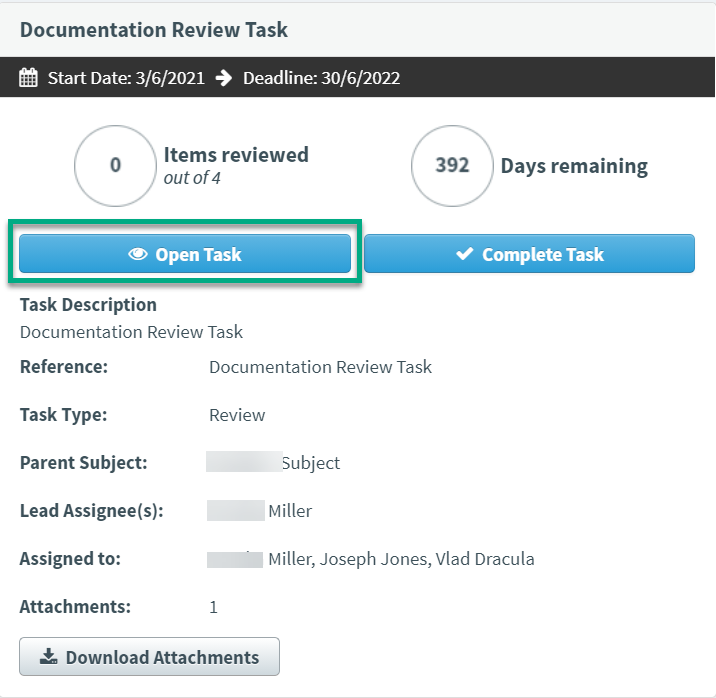
Establishing an effective nightly review process is essential for continuous productivity improvement. After completing your review, it is crucial to reflect on its effectiveness and make necessary adjustments. This step ensures that your review routine remains relevant, efficient, and aligned with your evolving priorities and challenges. Thoughtful reflection and adaptation can lead to better task management, reduced bottlenecks, and enhanced focus over time.A systematic approach to evaluate and refine your nightly review method fosters a cycle of ongoing improvement.
It involves analyzing what aspects of your review are working well, identifying areas needing change, and implementing targeted modifications. By adopting a disciplined reflection process, you can optimize your nightly review to better serve your goals and ensure that your time spent on review contributes meaningfully to your overall productivity.
Assessing the Effectiveness of the Nightly Review
To determine whether your nightly review process is delivering the desired results, it is important to establish clear metrics and feedback mechanisms. These may include tracking the completion rate of prioritized tasks, noting reductions in recurring issues, or measuring the clarity of your daily planning. Regularly reviewing these indicators provides insight into the process’s success and highlights areas needing adjustment.Creating a simple feedback system, such as a weekly reflection journal or digital log, allows you to record observations about your review sessions.
For example, noting whether tasks were completed as planned, if any recurring obstacles persisted, or if your focus during reviews was maintained helps identify patterns. This data-driven approach ensures your adjustments are grounded in real evidence rather than assumptions.
Identifying Recurring Issues and Bottlenecks
Understanding common challenges encountered during your nightly reviews is vital for targeted improvements. Organize your reflections to pinpoint persistent obstacles or inefficiencies. This can be achieved through a step-by-step process:
- Collect Data: Document issues or delays encountered during several review sessions, such as overlooked tasks, misprioritized items, or distractions.
- Analyze Patterns: Review your records to detect recurring themes. For instance, consistently forgetting to review certain task categories or encountering interruptions at specific times.
- Prioritize Bottlenecks: Determine which issues have the most significant impact on your review efficiency and focus on addressing those first.
- Develop Solutions: Brainstorm practical strategies tailored to each bottleneck, such as adjusting your review timing, refining your task categorization, or improving your focus methods.
“Identifying bottlenecks through consistent analysis enables you to implement targeted interventions that streamline your nightly review process effectively.”
Adapting the Review Method Based on Insights
Continuous improvement depends on your ability to adapt your review approach based on the insights gained. This adaptation can take several forms:
- Refining Your Tools: Switch or modify your task management apps, checklists, or review templates to better fit your needs.
- Adjusting Time Blocks: Shift your review session to a different time to enhance focus or reduce distractions, informed by patterns observed in your analysis.
- Revising Prioritization Criteria: Incorporate new metrics or frameworks, such as Eisenhower’s matrix, to better categorize and prioritize tasks during review.
- Enhancing Focus Strategies: Implement techniques like mindfulness or deep work principles during review to stay engaged and attentive.
“Adapting your nightly review process based on reflective insights ensures continuous alignment with your productivity goals and evolving circumstances.”
Examples of Reflection and Checklists for Continuous Improvement
Utilizing structured reflection prompts and checklists can help systematically evaluate your nightly review process. Examples include:
- Reflection Questions:
- Did I complete all planned tasks, or were some overlooked?
- Were there recurring distractions or interruptions that affected my focus?
- Did my review session feel efficient and purposeful?
- What obstacles repeatedly hinder my review process?
- What changes can I implement to improve tomorrow’s review?
- Sample Checklist:
- [ ] Reviewed all tasks completed today
- [ ] Updated task statuses and added new tasks
- [ ] Identified and noted recurring issues or bottlenecks
- [ ] Adjusted priorities based on current goals
- [ ] Scheduled specific time blocks for tomorrow’s review
- [ ] Implemented new focus or organization techniques as needed
Utilizing such structured approaches ensures your nightly review remains dynamic, responsive, and continuously aligned with your productivity aspirations, ultimately fostering a more effective and personalized task management system.
Summary
In conclusion, incorporating a structured and mindful approach to reviewing tasks at night can transform your daily workflow. Regular reflection and adjustment allow you to identify bottlenecks and adapt your strategies, leading to continuous improvement. Embracing this routine not only enhances productivity but also promotes a sense of control and readiness for each new day.