Learning how to review tasks every Friday is a crucial practice that can significantly enhance both personal and team productivity. Establishing a consistent end-of-week routine allows you to reflect on achievements, identify challenges, and plan effectively for the upcoming week. This systematic approach ensures that no task is overlooked and that goals remain clear and attainable, fostering continuous improvement and accountability.
By dedicating time every Friday to evaluate completed and pending tasks, you create a structured process that promotes clarity and focus. This review not only helps in tracking progress but also in adjusting strategies, prioritizing tasks, and setting realistic objectives. Incorporating effective tools and clear methodologies makes the review process more efficient and rewarding, ultimately leading to better management and successful outcomes.
Overview of weekly task review practices
Implementing a structured task review every Friday is a fundamental component of effective time management and organizational discipline. This regular evaluation serves as a dedicated moment to reflect on the accomplishments and challenges encountered throughout the week, ensuring that priorities remain aligned with overarching goals. Such consistency fosters a proactive approach to workload management, enabling individuals and teams to adapt swiftly to changing circumstances and maintain momentum towards their objectives.
The significance of reviewing tasks weekly extends beyond mere reflection; it cultivates a habit of continuous improvement and accountability. By dedicating time at the end of each week, individuals can identify completed tasks, reassess pending items, and set clear directives for the upcoming week. This process not only enhances personal productivity but also strengthens team cohesion, as shared reviews promote transparency and collaborative planning.
Establishing a routine for weekly evaluations ultimately contributes to sustained performance, reduced stress, and a clearer pathway towards achieving both short-term milestones and long-term ambitions.
Typical weekly review process and its impact on upcoming goals
Adopting a standardized review process ensures that each weekly evaluation is thorough and actionable. A typical review begins with consolidating all completed tasks and assessing their outcomes relative to initial objectives. This step highlights successes and uncovers areas needing additional attention or adjustment. Following this, pending tasks are examined for urgency and relevance, allowing prioritization based on shifting project requirements and deadlines.
During the review, teams often utilize tools such as task management software or shared spreadsheets to visualize progress and identify bottlenecks. This practice facilitates transparent communication and accountability among team members. Additionally, setting specific goals for the upcoming week—such as concrete deliverables, milestones, or meetings—closes the review cycle by creating a focused roadmap. The impact of this process is significant; it enables proactive management of workloads, reduces the likelihood of overlooked responsibilities, and ensures that efforts remain aligned with strategic objectives.
Regular weekly reviews foster a culture of discipline, continuous improvement, and goal-oriented performance that benefits both individual contributors and collective teams.
Preparing for a Friday task review
Effective preparation is essential to ensure that weekly task reviews are comprehensive, efficient, and productive. By systematically gathering and organizing all relevant information ahead of time, individuals and teams can gain clear insights into their progress, identify areas for improvement, and plan upcoming actions accordingly. Proper preparation not only maximizes the value of the review session but also fosters a disciplined approach to task management and prioritization.
Having a structured preparation process allows for a seamless review experience. It involves consolidating task details, categorizing activities based on their urgency and importance, and ensuring all necessary tools and materials are readily accessible. This proactive approach reduces last-minute scrambling, minimizes overlooked items, and supports a focused, strategic discussion during the review session.
Gathering all tasks, deadlines, and relevant notes
An organized review begins with collecting all pertinent information related to ongoing, upcoming, and completed tasks. This process ensures nothing is missed and provides a holistic view of progress and priorities.
- Review task management tools or platforms, such as project management software, to export or access the current list of tasks, deadlines, and notes.
- Compile a comprehensive list of tasks from various sources, including emails, meeting notes, and physical documents if applicable.
- Ensure each task entry includes key details such as task description, assigned team member, due date, priority level, and any relevant comments or updates.
- Update the status of each task to reflect recent progress, marking completed, in-progress, or pending items clearly.
- Highlight tasks with approaching or overdue deadlines to prioritize during the review.
Categorizing tasks by priority, urgency, and project type
Effective categorization enables focused discussion and decision-making during the review. Classifying tasks based on their importance and urgency helps allocate resources appropriately and ensures critical activities receive adequate attention.
| Category | Description | Example |
|---|---|---|
| Priority | Tasks ranked based on their impact on project goals or organizational objectives. | High Priority: Finalizing client deliverables due next week. |
| Urgency | Tasks requiring immediate attention due to approaching deadlines or dependencies. | Urgent: Responding to a critical bug report within 24 hours. |
| Project Type | Grouping tasks according to specific projects or operational areas to streamline review focus. | Marketing Campaign: Developing promotional content, scheduling social media posts. |
Use a color-coded tagging system within your task management tool to visually distinguish between different categories, such as red for urgent, orange for high priority, and blue for project type.
Organizing a checklist of materials and tools needed for effective review
Preparation also involves ensuring all necessary resources are available to facilitate a smooth and thorough review session. This includes both digital and physical materials that support analysis, note-taking, and follow-up actions.
- Digital tools such as laptops, tablets, or project management dashboards with up-to-date data views.
- Access to shared drives or cloud storage containing relevant documents, reports, and historical data.
- Note-taking apps or physical notebooks for capturing insights, decisions, and action items during the review.
- Calendars or scheduling tools to allocate time for detailed review and subsequent follow-up sessions.
- Checklists or templates designed specifically for task review to ensure consistency and completeness.
Preparing these materials in advance guarantees that all participants can engage effectively, reducing disruptions and enabling a focused, data-driven review process.
Adjusting Goals and Planning Ahead

Effective task review sessions not only assess past performance but also serve as a foundation for setting new targets and planning future activities. This strategic approach ensures continuous progress and aligns efforts with overarching objectives. By adjusting goals based on review outcomes and planning ahead with clear, actionable steps, teams can maintain momentum and adapt to changing priorities seamlessly.Progress typically reveals areas needing improvement, opportunities for optimization, and potential shifts in project scope or deadlines.
Incorporating insights from these reviews allows for recalibrating objectives, resource allocation, and timelines, fostering a proactive rather than reactive work environment. Proper planning for the upcoming week ensures that objectives are realistic, measurable, and aligned with team capacity, ultimately leading to enhanced productivity and goal achievement.
Setting New Targets Using SMART Criteria
Establishing new goals effectively requires a structured approach to ensure they are clear, achievable, and aligned with strategic priorities. The SMART framework provides a comprehensive set of criteria for goal-setting:
- Specific: Goals should be precise and clearly define what is to be accomplished. For example, rather than aiming to “improve sales,” specify “increase product X sales by 15%.”
- Measurable: Quantifiable metrics should be established to track progress. This could include sales numbers, project milestones, or customer satisfaction scores.
- Achievable: Targets need to be realistic given current resources and constraints. Setting an overly ambitious goal may lead to frustration, while one too easy may lack motivation.
- Relevant: Goals must align with broader organizational objectives and personal development plans, ensuring they contribute meaningfully to overall success.
- Time-bound: Deadlines create urgency and help prioritize tasks; for example, “complete the marketing campaign rollout by the end of Q2.”
Progress is best sustained when goals are SMART: clear, realistic, and anchored within a timeline.
Creating a Weekly Plan with Actionable Steps
To translate review insights into actionable plans, a weekly schedule should Artikel specific tasks, deadlines, and resource allocations. This process involves breaking down larger goals into manageable activities that can be executed within the week, ensuring a focused and organized approach.Begin by identifying priority objectives identified during the review. Then, assign tasks to team members, set clear deadlines, and determine necessary resources such as tools, personnel, or information.
Regularly updating this plan and monitoring progress helps maintain accountability and allows for quick adjustments if unforeseen challenges arise.Consider including a visual planning table to facilitate clarity and tracking:
Tools and software for task review management
Effectively managing and reviewing weekly tasks can be significantly enhanced through the use of digital tools and software. These platforms offer structured workflows, reminders, collaboration features, and analytics that streamline the process, ensuring nothing falls through the cracks. Choosing the right tool tailored to individual or team needs can make weekly reviews more efficient, organized, and insightful.
With a wide array of options available, understanding the features and integration capabilities of popular task management tools is crucial. These tools not only facilitate tracking ongoing tasks but also support reflection, goal adjustment, and planning for upcoming periods. Proper integration into your weekly routine allows for a seamless flow of information, saving time and boosting productivity.
Popular task management tools and their features
Here is a comparative overview of some of the most widely used digital tools for task review management, highlighting their core features, strengths, and ideal use cases:
| Tool | Core Features | Strengths | Best Use Cases |
|---|---|---|---|
| Todoist | Task creation, deadlines, labels, priorities, recurring tasks, integrations with email and calendars | Intuitive interface, robust mobile app, simple task filtering | Personal task tracking, small team workflows, daily to-do lists |
| Trello | Kanban boards, task cards, checklists, deadlines, attachments, team collaboration | Visual task management, easy to customize workflows, seamless collaboration | Project planning, weekly review boards, team coordination |
| Asana | Task dependencies, timelines, milestones, workload management, integrations with apps like Slack and Google Drive | Comprehensive project tracking, team accountability, powerful reporting | Complex project management, weekly review cycles involving multiple stakeholders |
| Microsoft To Do | Task lists, due dates, reminders, shared lists, integration with Microsoft 365 | Deep integration with Microsoft ecosystem, simple interface | Personal task planning, team checklists within Microsoft environment |
| Notion | Custom databases, note-taking, task tracking, templates, collaborative workspace | Highly customizable, all-in-one workspace, rich multimedia support | Comprehensive planning, documentation, and review combined in one platform |
Each of these tools can be integrated into your weekly review routine by establishing regular checklists, setting recurring review tasks, and utilizing their reporting features to analyze progress over time. For example, Trello’s visual boards help quickly identify incomplete tasks, while Asana’s dependency and timeline features support planning for upcoming goals based on current progress. Incorporating notifications and automation within these platforms ensures consistent review habits, ultimately enhancing productivity and accountability.
Tips for Maintaining Consistency and Accountability
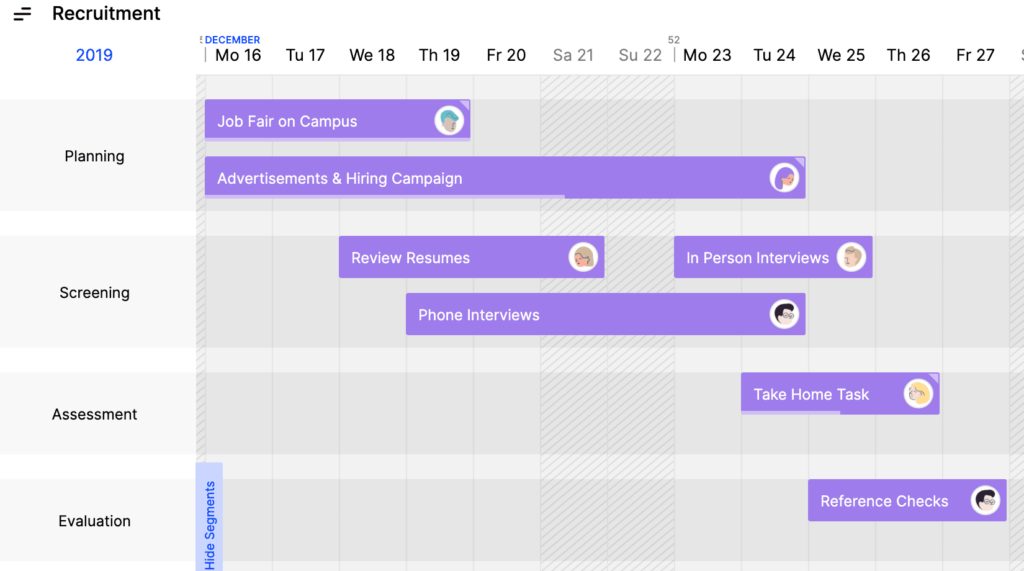
Establishing a reliable routine for weekly task reviews is essential for sustained productivity and team alignment. Consistency ensures that progress is monitored regularly, while accountability encourages commitment to goals and continuous improvement. Implementing effective strategies helps embed the review process into your organizational culture, making it a natural and integral part of weekly planning.Maintaining unwavering discipline and involving others in the review process can significantly enhance accountability.
Documenting insights and follow-up actions ensures that each review leads to tangible progress and continuous learning, fostering a proactive approach to task management.
Strategies to Stay Committed to the Friday Review Schedule
To foster regularity in weekly reviews, establishing clear routines and integrating the task review into your calendar are fundamental. Setting recurring reminders ahead of Friday ensures the review is prioritized amidst other weekly commitments. Additionally, allocating specific time slots, such as 30 minutes every Friday afternoon, creates a dedicated window for reflection and planning.Creating a habit involves linking the review to existing routines, such as immediately following team meetings or project updates.
Recognizing the importance of these sessions and tracking consistency through personal or team dashboards can motivate ongoing adherence. Celebrating milestones or improvements achieved through regular reviews further reinforces commitment.
Methods to Involve Team Members or Accountability Partners in the Process
Engaging colleagues or accountability partners can significantly enhance the effectiveness of the weekly review process. Designate a peer or team member to participate in the review sessions, either as a co-reviewer or as a sounding board. This fosters shared responsibility and provides diverse perspectives on task progress and obstacles.Utilize collaborative tools to share review agendas and insights, creating a transparent environment that encourages ongoing dialogue.
Regularly scheduled check-ins with accountability partners can help address challenges promptly and sustain motivation. Establishing mutual goals and review checkpoints ensures commitment from all parties involved.
Documenting Insights and Follow-up Actions Post-Review
Effective documentation transforms review insights into actionable steps, ensuring continuous progress. Use structured templates or tables to record key takeaways, decisions made, and specific follow-up actions with assigned deadlines. This systematic approach facilitates clarity and accountability across the team.A sample table template for tracking progress may include columns such as: Task/Goal, Owner, Due Date, Status, and Comments. Regularly updating this table during or immediately after the review session ensures that insights are captured and follow-up actions are monitored.
Implementing digital tools with notifications, such as project management software, helps keep everyone aligned and accountable.
“Consistency in review practices combined with transparent documentation creates a culture of accountability that drives continuous growth and team cohesion.”
Common challenges and solutions in Friday task reviews
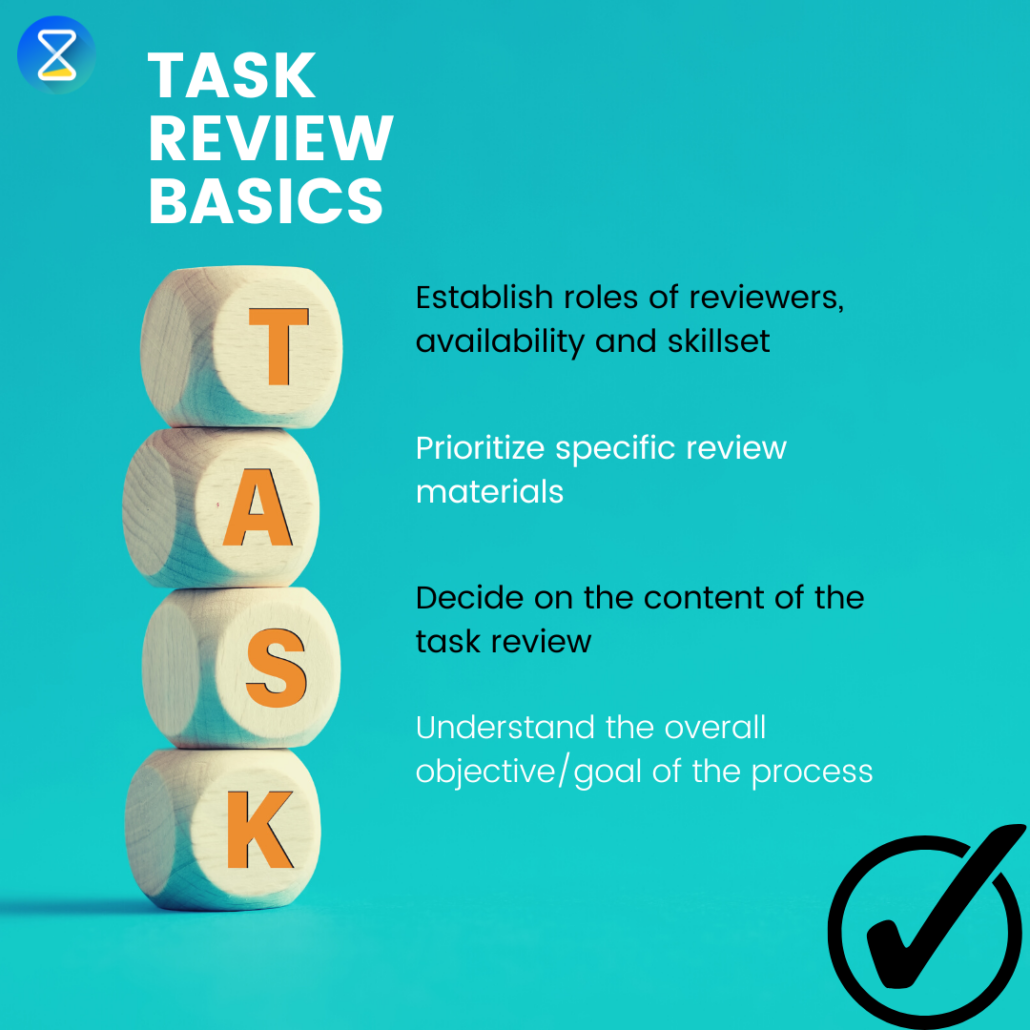
Regularly conducting task reviews on Fridays is an effective way to assess progress and plan upcoming activities. However, practitioners often encounter various obstacles that can hinder the efficiency and effectiveness of this process. Addressing these challenges proactively ensures a smoother review session and promotes continuous improvement in task management practices.Understanding the typical challenges faced during weekly task reviews is essential for developing practical solutions.
These obstacles can stem from time constraints, information overload, lack of clarity in goals, or inconsistent review practices. Implementing targeted strategies can mitigate these issues, maximize the benefits of the review process, and foster accountability within teams and individuals.
Time Management Challenges in Friday Task Reviews
Time constraints are one of the most common difficulties encountered during weekly reviews. Often, team members or individuals find themselves pressed for time due to a busy schedule, leading to rushed or incomplete evaluations. This can result in overlooked tasks, missed opportunities for reflection, or inadequate planning for the following week.To counteract these challenges, it is recommended to allocate a dedicated and fixed time slot every Friday for the review process.
Setting a clear agenda and adhering to a strict schedule helps ensure that the review remains focused and efficient. Utilizing time-tracking tools can also help monitor and optimize the duration spent on reviews, allowing for adjustments that fit within the overall weekly workflow.
Information Overload and Its Impact
Information overload can significantly impair the quality of weekly task reviews. When individuals attempt to assess an excessive volume of data, tasks, or updates within a limited timeframe, they may experience difficulty in prioritizing effectively or identifying critical issues.Practical solutions include segmenting review sessions into manageable parts, such as focusing on high-priority tasks first or categorizing tasks by project or department.
Additionally, maintaining concise and organized records of completed and pending tasks throughout the week facilitates quicker review sessions, enabling users to concentrate on essential information without feeling overwhelmed.
Lack of Clarity in Goals and Metrics
Unclear objectives or ambiguous performance metrics may lead to ineffective reviews, where participants struggle to measure progress accurately or identify areas needing improvement. This ambiguity can cause confusion, misalignment, and reduced motivation.Establishing clear, measurable goals and success criteria at the outset of each week enhances the objectivity and effectiveness of reviews. Using standardized templates and key performance indicators (KPIs) ensures consistency and clarity.
Regularly updating these metrics and communicating expectations promotes transparency and accountability among team members.
Inconsistent Review Practices
Inconsistency in conducting weekly reviews can diminish their value, resulting in missed insights and diminished accountability. When reviews are conducted irregularly or without a structured approach, teams may lose track of progress and fail to recognize recurring issues.Instituting a standardized review protocol, including checklists and templates, promotes consistency. Automating reminders and integrating review processes into project management software ensures that reviews are scheduled and conducted systematically.
Encouraging shared responsibility and fostering a culture that values ongoing assessment reinforce adherence to best practices.
Summary Table of Challenges and Solutions
| Challenge | Solution |
|---|---|
| Time management constraints | Allocate fixed time slots, create a focused agenda, and use time-tracking tools |
| Information overload | Segment review sessions, prioritize tasks, and maintain organized records |
| Lack of clear goals and metrics | Define measurable objectives, use standardized templates, and communicate expectations |
| Inconsistent review practices | Establish standardized protocols, automate reminders, and promote a culture of regular assessment |
Ending Remarks
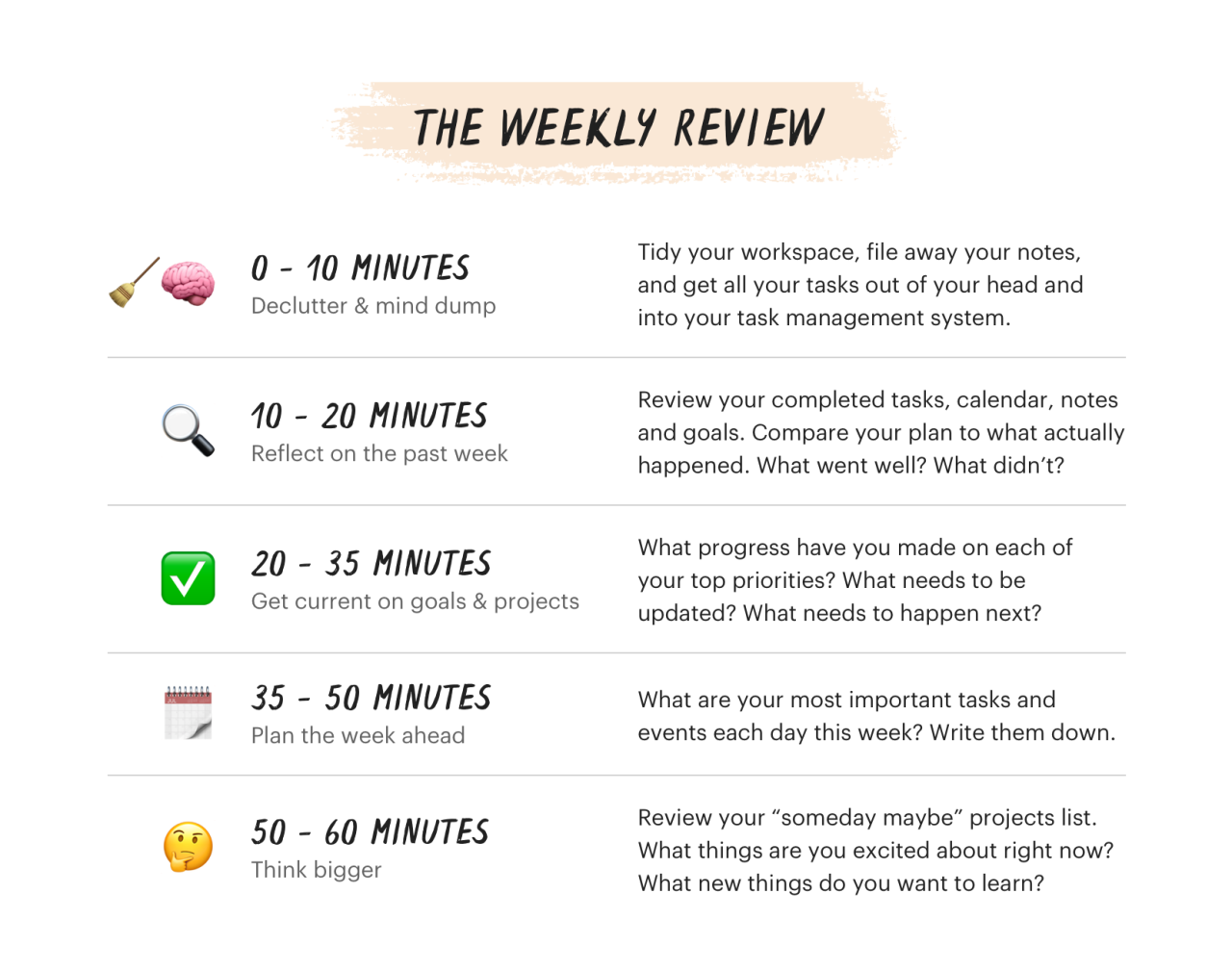
In conclusion, mastering how to review tasks every Friday empowers you to maintain a high level of organization and productivity. Regular evaluations lead to better decision-making, clearer goal-setting, and a more proactive approach to challenges. By making this a routine, you lay a strong foundation for continuous growth and success in both personal and professional spheres.