Mastering effective time management is essential for achieving personal and professional goals. The technique of time blocking offers a practical approach to organize your day efficiently, ensuring that each task receives dedicated focus. By following a structured three-step method, you can transform your daily routine into a productive and stress-free experience.
This guide introduces a straightforward process to implement time blocking, encompassing planning, creating, and adjusting your schedule. With clear strategies and examples, you’ll learn how to allocate your time wisely and adapt your blocks for continuous improvement, ultimately enhancing your overall productivity.
Introduction to Time Blocking

Time blocking is a strategic time management technique that involves dividing your day into distinct, dedicated periods for specific tasks or activities. Instead of allowing tasks to scatter throughout the day or relying solely on to-do lists, time blocking creates a visual schedule that promotes focus and efficiency. This method enables individuals to allocate appropriate timeframes to their priorities, reducing procrastination and enhancing productivity.
Implementing time blocking is vital in today’s fast-paced environment where distractions are abundant. It helps in managing daily responsibilities more effectively by providing structure to your day, ensuring that important tasks receive the attention they deserve. Whether for professional projects, personal goals, or routine chores, time blocking fosters discipline and clarity, allowing you to track progress and adjust plans as needed.
Core Principles of Time Blocking
Developing a successful time blocking routine relies on understanding its fundamental principles. These principles serve as the foundation for a productive schedule that aligns with your personal and professional goals.
- Prioritization of Tasks: Recognizing the most critical tasks ensures that your time is dedicated to activities that yield the highest impact. This involves evaluating urgency and importance, often using tools like the Eisenhower Matrix to categorize tasks effectively.
- Dedicated Time Slots: Assigning specific blocks of time to each task prevents overlap and minimizes interruptions. This clarity helps in maintaining focus and avoiding multitasking, which can reduce overall efficiency.
- Consistency and Flexibility: While sticking to a schedule is essential, allowing some flexibility accommodates unforeseen circumstances or changes in priorities. Consistency in following your blocks builds habit, while adaptability ensures your schedule remains realistic and effective.
Benefits of Using Time Blocking
Adopting time blocking offers numerous advantages that contribute to enhanced productivity and overall well-being. It transforms abstract priorities into actionable steps with clear time commitments.
| Benefit | Description |
|---|---|
| Improved Focus | By allocating specific time slots for tasks, distractions are minimized, allowing for deep concentration on each activity. |
| Enhanced Planning | Time blocking provides a clear visual overview of your day, making it easier to plan ahead and avoid overcommitting. |
| Better Work-Life Balance | Scheduling breaks and personal time alongside work tasks helps maintain mental and physical health, reducing burnout. |
| Increased Accountability | Having a structured schedule fosters discipline and accountability, encouraging you to complete tasks within designated periods. |
| Reduced Procrastination | By setting specific timeframes, it becomes more challenging to delay tasks, leading to more consistent progress. |
“Time blocking transforms your calendar into a strategic plan, turning intentions into actions and chaos into clarity.”
Step 1: Planning Your Day with Time Blocking
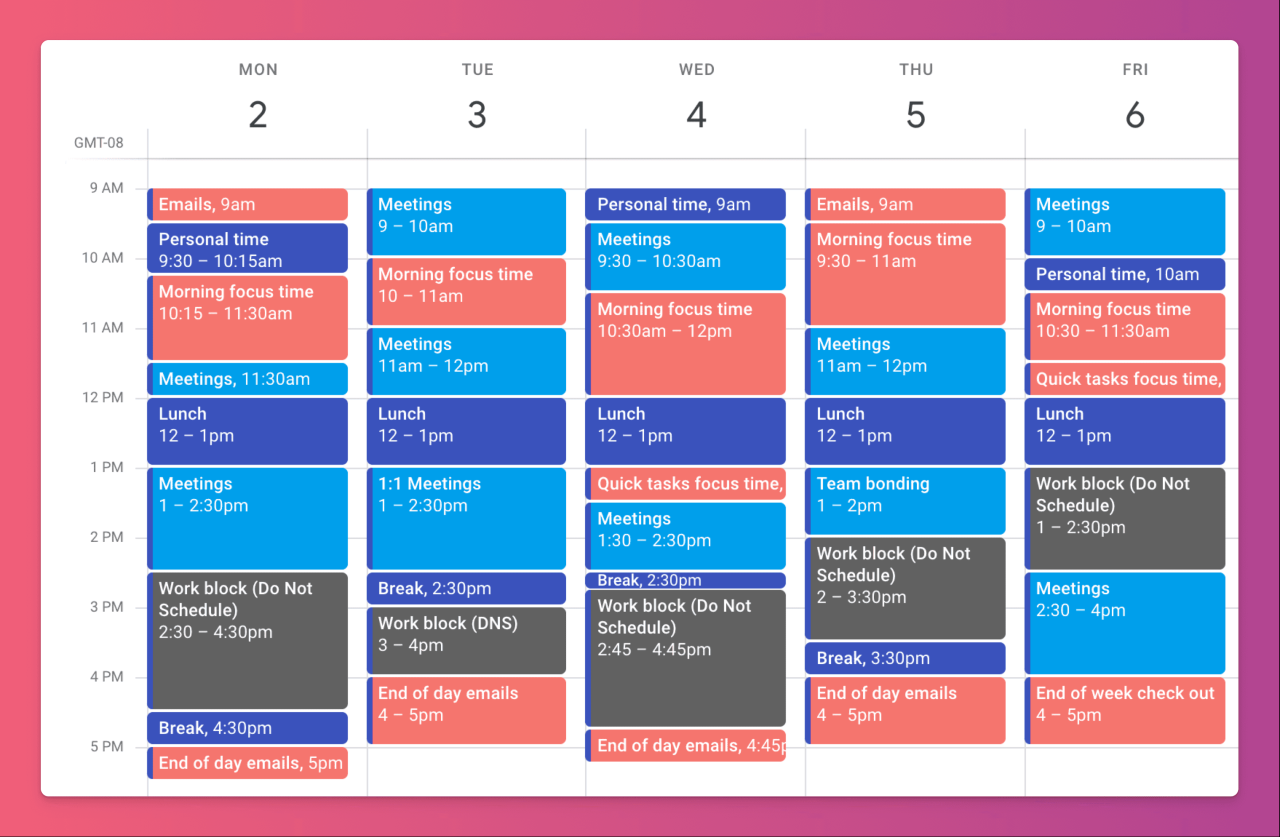
Effective time management begins with meticulous planning. In the initial phase of implementing time blocking, it is essential to assess your daily priorities and tasks thoroughly. This step ensures that your schedule aligns with your most important objectives and allows for a balanced distribution of your time throughout the day. Recognizing the significance of deliberate planning sets the foundation for increased productivity and reduced stress.
By carefully evaluating what must be accomplished each day, you can categorize tasks according to their urgency and importance. This categorization helps in creating a structured timetable that prioritizes critical activities while allocating sufficient time for less urgent but necessary tasks. Establishing a well-organized daily plan not only enhances focus but also prevents the common pitfall of over-scheduling or neglecting vital responsibilities.
Assessing Daily Priorities and Tasks
To begin planning effectively, start by listing all tasks and responsibilities scheduled for the day. Consider both professional and personal commitments, and evaluate the deadlines, significance, and potential impact of each task. This comprehensive overview allows for a clear understanding of what needs immediate attention and what can be deferred or delegated.
Next, determine the expected duration of each task, which helps in creating realistic time blocks. Utilize tools such as to-do lists or digital planners to organize these priorities systematically. Reflect on past days to identify patterns of productivity and areas where time was either underutilized or overextended, enabling you to make more accurate estimates for the current day.
“Prioritization transforms chaos into clarity, empowering you to focus on what truly matters.”
Organizing a Sample Daily Schedule
Creating a sample schedule illustrates how to translate priorities into a practical plan. The following table demonstrates how tasks can be segmented into specific time intervals, categorized by priority, and assigned appropriate durations. This visual layout ensures a balanced distribution of work and provides clear boundaries for each activity.
| Time Interval | Task Description | Priority | Duration |
|---|---|---|---|
| 8:00 AM – 9:00 AM | Morning review and task prioritization | High | 1 hour |
| 9:00 AM – 11:00 AM | Focused work on project report | High | |
| 11:00 AM – 11:30 AM | Break and light refreshment | Medium | |
| 11:30 AM – 1:00 PM | Email correspondence and administrative tasks | Medium | |
| 1:00 PM – 2:00 PM | Lunch break | Low | |
| 2:00 PM – 3:30 PM | Client calls and meetings | High | |
| 3:30 PM – 4:00 PM | Wrap-up and planning for next day | Medium | |
| 4:00 PM onwards | Personal time and relaxation | Low |
This structured approach ensures that high-priority tasks are addressed during peak productivity hours, while lower-priority activities are scheduled for less demanding times. Adjustments can be made based on daily circumstances, but maintaining this level of organization facilitates a more productive and less stressful day.
Step 2: Creating Effective Time Blocks
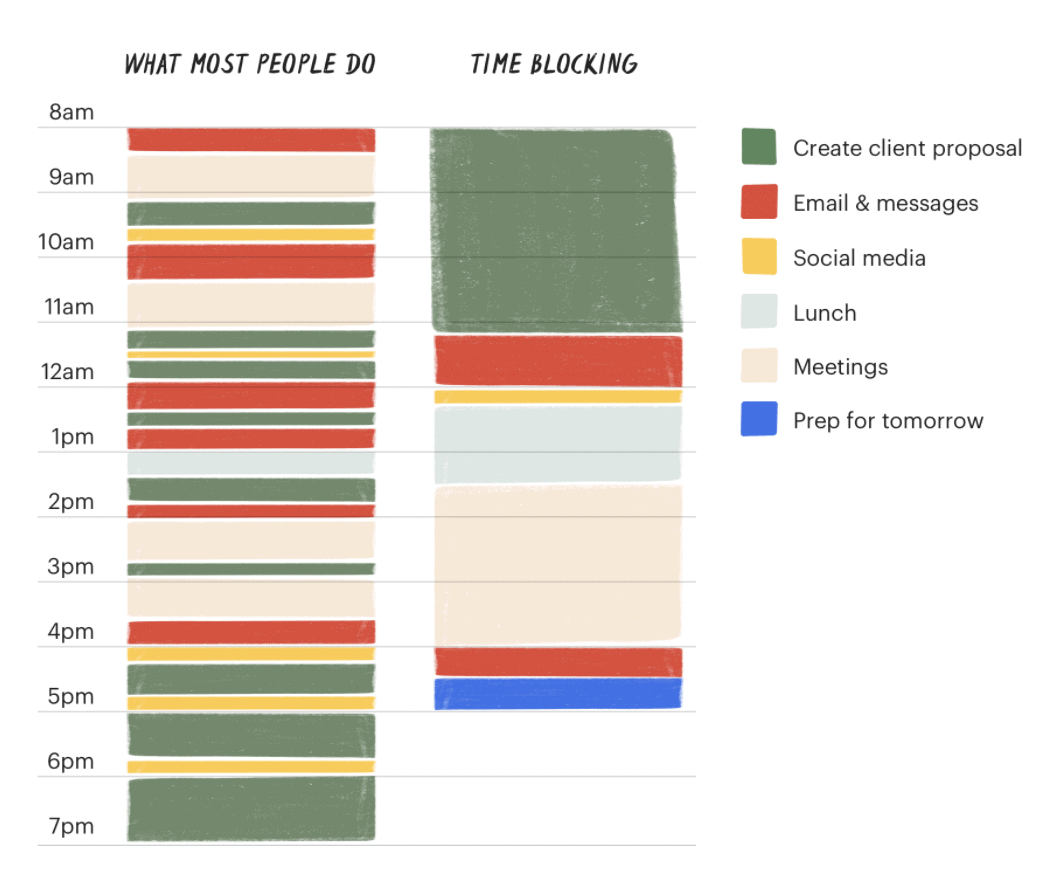
Efficient time blocking requires careful allocation of segments within your schedule to optimize productivity and maintain balance. This step involves designing specific time frames for different activities based on personal energy rhythms, ensuring that each task receives focused attention during its optimal period. Properly crafted time blocks make your daily plan more actionable and reduce the temptation of multitasking or procrastination.To create effective time blocks, it’s essential to understand the natural fluctuations in your energy levels throughout the day.
For example, many people experience higher concentration and mental clarity in the late morning, making it an ideal window for tasks requiring deep focus. Conversely, afternoons might be better suited for routine activities or meetings when energy tends to dip. By aligning your tasks with your energy patterns, you enhance efficiency and reduce fatigue.Designing visual cues like color-coded or labeled blocks helps distinguish task types at a glance, making your schedule more intuitive and easier to follow.
Use different colors to represent various categories, such as work, personal, or administrative tasks. Labels can include specific activity names, priority levels, or estimated durations to further clarify each segment’s purpose.
Techniques for Allocating Time Frames
Establish clear start and end times for each task or activity, avoiding overly long or vague blocks that might lead to procrastination. Break larger tasks into smaller, manageable segments with dedicated time slots; for example, dedicating 90 minutes to project work with scheduled breaks in between. Use timers or alarms to stick to these allocated periods, fostering discipline and focus.
Identifying Ideal Time Slots Based on Personal Energy Levels
Track your energy fluctuations over several days to identify when you feel most alert and productive. Tools like daily journals or productivity apps can assist in mapping your peak periods. Schedule high-demand tasks during these windows, reserving less intensive activities for times when your energy naturally dips. Recognizing these patterns ensures you utilize your most capable moments effectively.
Designing Color-Coded or Labeled Blocks
Implement a visual system by assigning specific colors or labels to different task categories. For instance:
- Focused Work: Bright blue blocks to denote deep concentration periods.
- Meetings: Yellow blocks reserved for collaborative sessions.
- Breaks: Green blocks indicating rest or refreshment times.
- Planning and Review: Purple blocks for daily or weekly planning sessions.
This visual differentiation helps quickly identify the purpose of each time segment, aiding in seamless schedule management and reducing cognitive load when shifting between tasks.
Step 3: Maintaining and Adjusting Your Time Blocks
Effective time management requires not only creating well-structured schedules but also consistently maintaining and refining them to suit evolving priorities. This step emphasizes the importance of discipline, regular evaluation, and flexibility in ensuring your daily planning remains productive and aligned with your goals. By adopting strategic approaches to uphold your schedule and making necessary adjustments, you can optimize your workflow and reduce the likelihood of disruptions impacting your productivity.Maintaining your time blocks involves a combination of disciplined adherence and proactive management.
Distractions and unforeseen circumstances are inevitable; therefore, establishing strategies to stay on track and minimize interruptions is essential. Equally important is the periodic review of your schedule’s effectiveness, which allows you to identify bottlenecks and areas needing improvement. Being adaptable ensures your time management system remains responsive to changing demands, enhancing your overall efficiency.
Strategies for Staying on Schedule and Avoiding Disruptions
To sustain your structured schedule throughout the day, consider implementing these practical strategies:
- Set clear boundaries for your work periods, such as turning off notifications or informing colleagues of your focused blocks to minimize interruptions.
- Use visual cues like alarms, timers, or color-coded calendar entries to remind you of upcoming tasks and maintain a sense of urgency.
- Prioritize your most critical tasks during your peak energy times, ensuring that essential work is completed before potential distractions arise.
- Allocate buffer periods between time blocks to accommodate unforeseen delays or quick breaks, reducing the risk of schedule derailment.
- Plan for flexibility by having alternative tasks ready in case you need to reallocate time unexpectedly.
Evaluating the Effectiveness of Time Blocks
Regular assessment of your scheduled blocks helps you understand what works well and where adjustments are necessary. At the end of each day, reflect on your productivity by considering:
- Whether you completed the tasks scheduled within each block and if they aligned with your priorities.
- The extent of interruptions or distractions that disrupted your planned activities.
- How accurately your actual work and break durations matched your initial estimates.
- Your overall energy levels and focus during different blocks, identifying periods of peak productivity.
To facilitate this evaluation, maintain a simple daily log or journal where you note successes, challenges, and any deviations from the schedule. This practice provides valuable insights to fine-tune your approach and improve future planning.
Adapting and Reorganizing Time Blocks for Better Productivity
Flexibility is key to a successful time blocking system. Regularly revisiting and adjusting your schedule ensures it remains aligned with your current priorities and energy patterns. Common adjustments include:
- Shifting tasks to different times of the day when your energy levels are higher or lower.
- Breaking down large blocks into smaller, more manageable segments to enhance focus and reduce fatigue.
- Consolidating similar tasks into dedicated blocks to streamline workflows and minimize context switching.
- Adding buffer or contingency periods to handle unexpected tasks or delays more effectively.
- Reallocating time from less productive or lower-priority activities to areas requiring more attention.
To systematically monitor these adjustments, create a weekly modification table that captures your planned versus actual schedule changes. For example:
| Day | Original Time Block | Modified Time Block | Reason for Change | Outcome |
|---|---|---|---|---|
| Monday | 9:00 AM – 11:00 AM – Project Work | 10:00 AM – 12:00 PM – Project Work | Morning energy was higher; needed more focus time | Improved task completion and quality |
| Wednesday | 2:00 PM – 3:00 PM – Client Calls | 1:30 PM – 2:30 PM – Client Calls | Earlier time suited client schedules better | Better engagement and fewer reschedules |
Maintaining this record helps identify patterns, supports continuous improvement, and ensures your schedule remains an effective tool for achieving your productivity goals.
Closing Summary
In conclusion, adopting the three-step approach to time blocking can significantly optimize your daily workflow. By planning thoughtfully, designing effective time blocks, and regularly adjusting your schedule, you cultivate a disciplined yet flexible routine that fosters success. Embrace these practices to unlock your full potential and achieve your objectives with confidence.